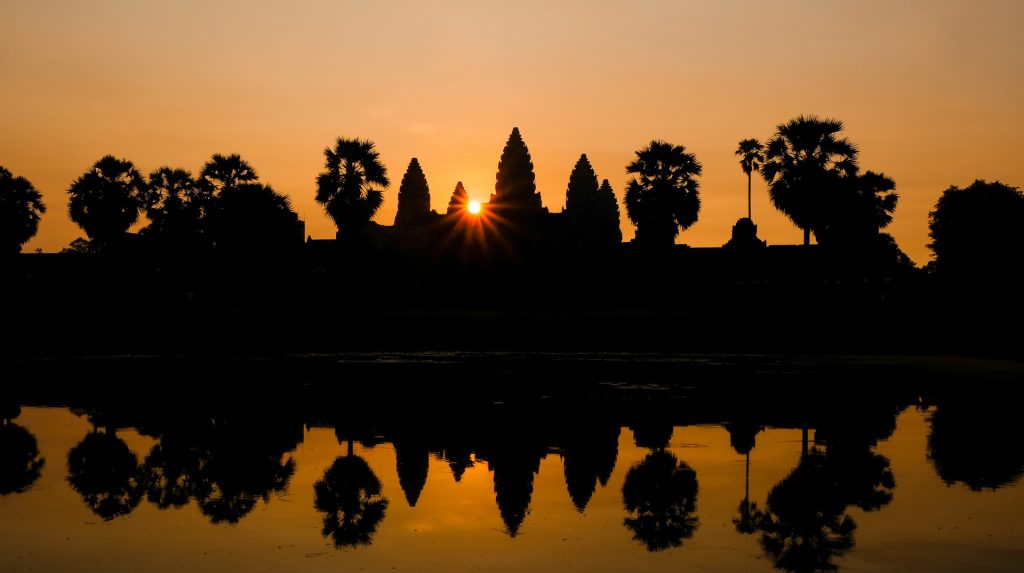
All posts by bichvan

Laid back in Luang Prabang Laos

Laos is known as the land-lock country and called million elephant country. And Luang Prabang Laos is the most outstanding and unique city to visit.

To visit Laos, the visitors will choose either or all of below destination depending on their travel duration. You can consider these highlighted spots in Laos such as:

+ Vientiane Capital in central Laos

+ Ancient capital Luang Prang in the north

+ Vang Vieng in the northern central where mostly favored by backpackers + 4000 Island and Plateau in southern Laos

Luang Prabang, above all, is the unmissable spots of Laos tour. To visit in Luang Prabang town in Laos, you should spend three to four days to enjoy the place and culture.
luang-prabang-laos

History of Luang Prabang

Luang Prabang is a city in northern Laos that has a rich and colorful history. The area has been inhabited since at least the 8th century and was ruled by various kingdoms and empires over the centuries, including the Khmer Empire and the Lan Xang Kingdom. In the 16th century, Luang Prabang became the capital of the Lan Xang Kingdom, and it remained an important political and cultural center for several hundred years.

During the 19th and early 20th centuries, Luang Prabang was part of French Indochina and became a center for French colonial administration and education. In 1945, the city was briefly occupied by the Japanese during World War II.

After Laos gained independence from France in 1954, Luang Prabang became the royal capital of the Kingdom of Laos. The city remained the country’s capital until the communist takeover in 1975, after which it became part of the Lao People’s Democratic Republic. Today, Luang Prabang is a UNESCO World Heritage site and a popular tourist destination known for its well-preserved architecture, traditional crafts, and Buddhist temples.

Amazing places to visit in Luang Prabang Laos

Luang Prabang, a city in northern Laos, is a UNESCO World Heritage site known for its well-preserved traditional architecture and Buddhist temples. Some of the popular places to visit in Luang Prabang include:

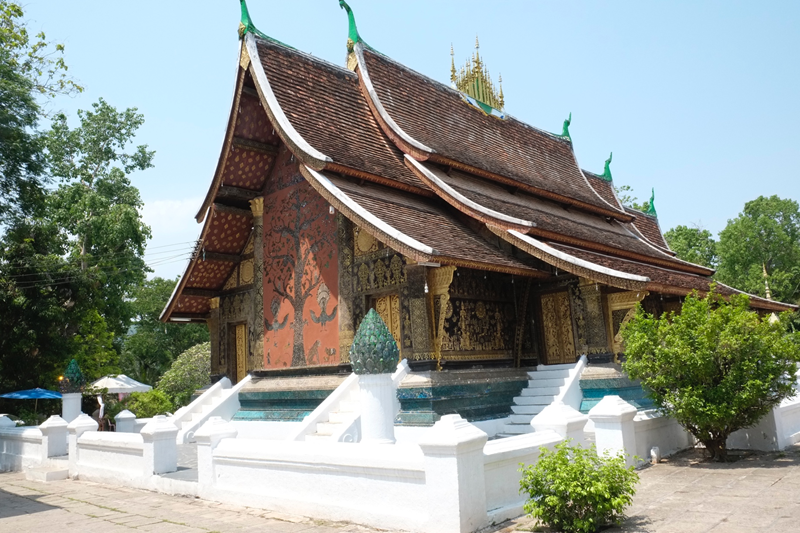
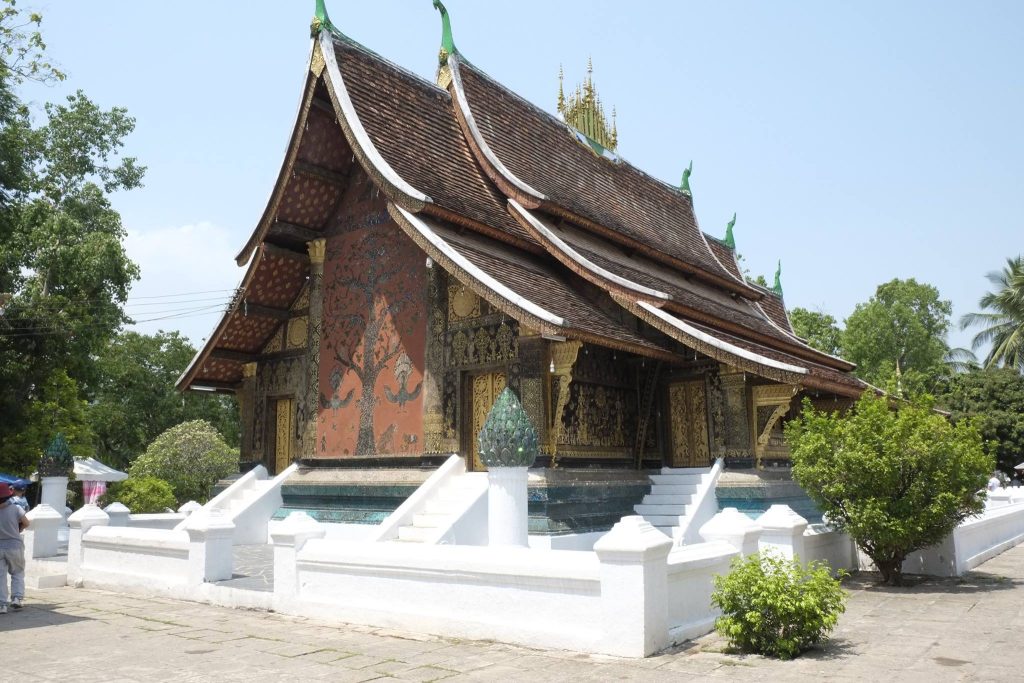
Wat Xieng Thong

One of the most important Buddhist temples in Luang Prabang, dating back to the 16th century. This beautiful temple in town center is one of the most beautiful place to visit in Luang Prabang.

It is considered one of the most important temples in the city and is a popular tourist attraction. The temple was built in 1560 by King Setthathirath and has survived many wars and invasions over the centuries.

The temple complex features several buildings and structures, including a main sim (ordination hall) that houses a large, gold-covered Buddha statue and intricate murals depicting Buddhist teachings and scenes from Lao folklore. The sim also features a beautifully decorated roof, with gold and red lacquer work and intricate carvings.

Kuang Si Falls
kuang-si-waterfall-luang-prabang

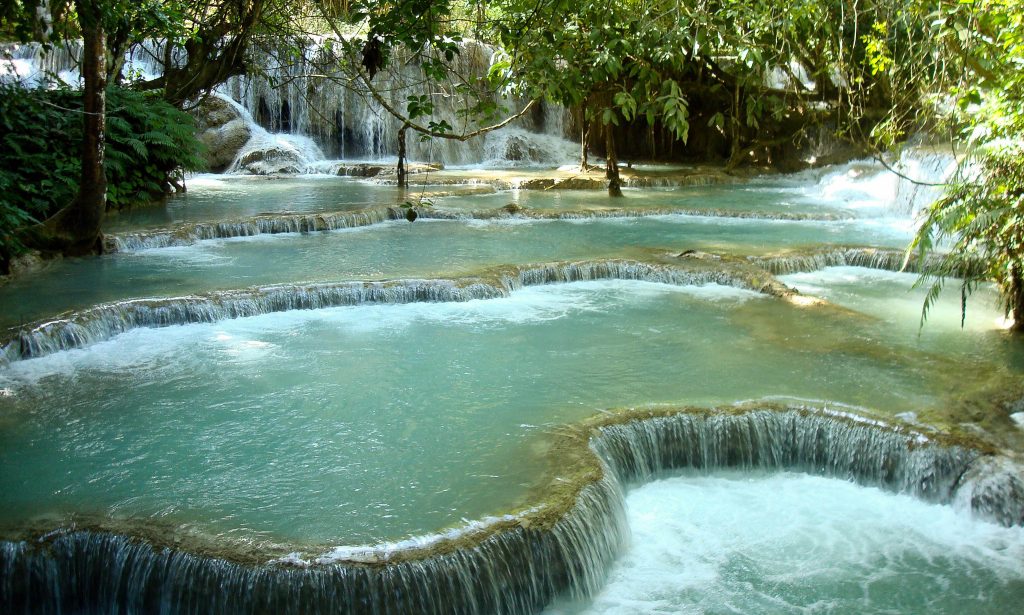
Another must-see attraction in Luang Prabang is Kuang Si waterfall. A beautiful multi-tiered waterfall located just outside of the city, with crystal-clear water and swimming holes.

The falls are a series of cascading waterfalls that flow into crystal-clear pools, surrounded by lush green jungle and limestone cliffs.

The water at Kuang Si Falls is a beautiful turquoise blue color, thanks to the presence of dissolved limestone particles. Visitors can swim in several of the pools, or simply relax on the banks and enjoy the natural scenery.

The falls are also home to several species of animals, including black bears, gibbons, and various species of birds and butterflies. There is a bear sanctuary near the entrance to the falls that provides a home for rescued bears that have been rescued from poachers and the illegal wildlife trade.

In addition to swimming and hiking, visitors to Kuang Si Falls can also visit a small village near the falls to learn about local culture and traditional handicrafts. The village is home to several ethnic minority groups, including the Hmong and Khmu, and visitors can observe traditional weaving, basket-making, and other crafts.

Royal Palace Museum

A former royal palace that has been converted into a museum, showcasing the history of the Lao monarchy and the country’s cultural heritage.

The museum is housed in a former royal palace that was built in 1904 during the French colonial period. It was used as the residence of the Lao monarchy until 1975, when the communist government took power.

Today, the palace has been converted into a museum that showcases the history of the Lao monarchy and the country’s cultural heritage. The museum’s exhibits include many artifacts and historical items related to the former royal family, including the king’s throne, his crown, and various royal regalia. The palace’s reception hall is also open to the public, featuring a large collection of gifts that were presented to the royal family by foreign dignitaries and heads of state.

In addition to the royal exhibits, the museum also features several galleries showcasing Lao art, culture, and history. These exhibits include traditional textiles, ceramics, weapons, and other artifacts from throughout the country’s history. There is also a small gallery dedicated to the life and teachings of Buddha, showcasing religious art and artifacts from throughout Southeast Asia.

Luang Prabang Night Market
luang-prabang-night-market

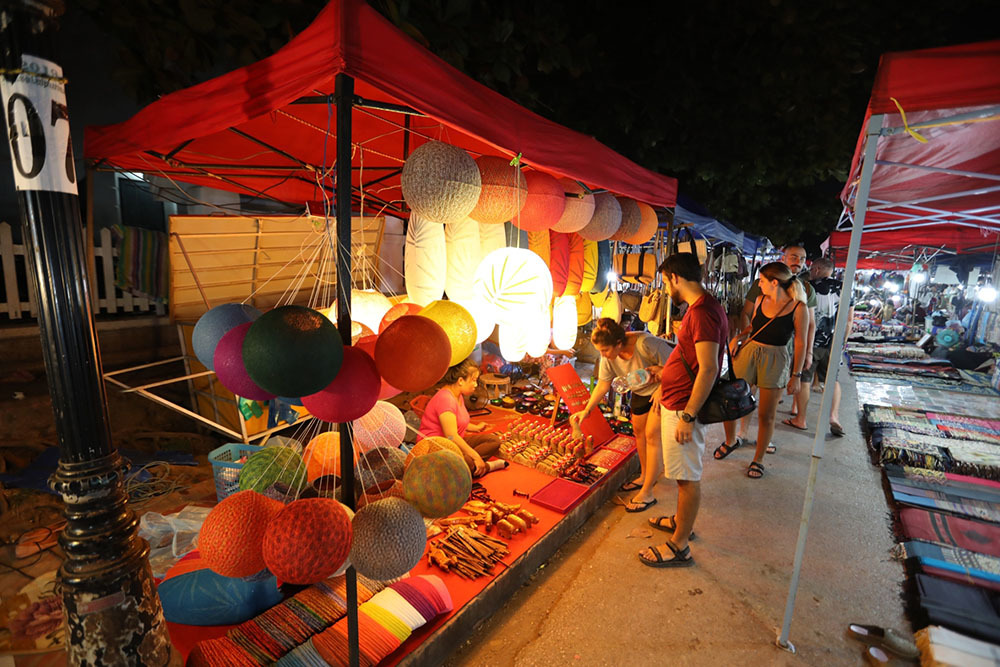
A bustling market that takes place every evening in the center of the city, offering a wide variety of local handicrafts and souvenirs. The Luang Prabang night market is a lively and bustling place that offers a unique and authentic experience of Lao culture and traditions. It’s a great place to spend an evening, strolling along the stalls, sampling local foods, and picking up some unique souvenirs to take home.

The market takes place every evening along Sisavangvong Road, which is closed to traffic during the event.

The night market is known for its wide variety of local handicrafts and souvenirs, including textiles, jewelry, wooden carvings, and other traditional Lao crafts. Many of the items sold at the market are handmade by local artisans and are unique to the region.

Mount Phousi

A hill in the center of the city that offers panoramic views of Luang Prabang and the surrounding countryside, as well as several Buddhist shrines and temples.

Mount Phousi is a small hill located in the heart of Luang Prabang, a city in northern Laos. The hill is about 100 meters high and is a popular destination for visitors to the city.

At the top of Mount Phousi, there is a Buddhist temple, Wat Chom Si, which offers panoramic views of the city and the surrounding countryside. Visitors can climb the hill via a set of stairs that wind up through the trees, passing several smaller shrines and monuments along the way.

The climb to the top of Mount Phousi is not particularly strenuous and can be completed in about 20-30 minutes, depending on your fitness level. Once you reach the summit, you will be rewarded with stunning views of the city and the Mekong River, especially at sunset and sunrise.

Traditional Arts and Ethnology Centre

A museum dedicated to the ethnic diversity and cultural traditions of Laos, with exhibits showcasing traditional textiles, crafts, and art.

The museum is dedicated to preserving and promoting the traditional arts and cultural heritage of Laos, particularly the country’s many ethnic minority groups.

The museum’s exhibits include a wide range of traditional textiles, clothing, jewelry, and other handicrafts, as well as historical photographs and other artifacts related to Lao culture and history. The museum also hosts regular events and exhibitions showcasing local artists and craftspeople, as well as cultural performances and workshops.

Wat Mai Suwannaphumaham

A 18th century Buddhist temple that is known for its stunning architecture and intricate decorative carvings.

The temple was originally built in the late 18th century, and has been restored and expanded several times over the years. The temple is known for its beautiful golden bas-relief decorations, which depict scenes from Buddhist mythology and history. The interior of the temple is also decorated with intricate carvings and murals, and there are several Buddha statues and other religious artifacts on display.

One of the most notable features of Wat Mai Suwannaphumaham is its beautiful sim, or ordination hall. The sim is a large, open-air structure that features a stunning gold-leafed facade and intricate wooden carvings. Inside the sim, there are several large Buddha statues, as well as several smaller altars and shrines.

Famous local food to eat in Luang Prabang

When travel in Luang Prabang, trying local food is also an incredible experiences. Like their neighbor country – Vietnam with delicious food; Laos cuisine is extremely impressive. Here are suggestions of food to try in Luang Prabang:

  1. Laap: This is a traditional Lao dish made with minced meat, spices, and herbs. It is usually served with sticky rice and is a popular dish among locals and tourists alike.
  2. Tam Mak Hoong: This is a spicy papaya salad that is a staple of Lao cuisine. It is made with shredded papaya, chilies, lime juice, and fish sauce, and is a refreshing and spicy dish.
  3. Khao Soi: This is a noodle soup that is commonly found in northern Laos. It is made with egg noodles, chicken or beef, and a rich, flavorful broth.
  4. Mok Pa: This is a steamed fish dish that is wrapped in banana leaves and seasoned with spices, herbs, and lime juice. It is a popular dish in Luang Prabang and is often served as a starter or main course.
  5. Baguettes: Although not traditionally Lao, the French influence on the cuisine in Luang Prabang has resulted in a delicious range of baguette sandwiches. They are typically filled with meat, vegetables, and sauces, and are a great option for a quick and tasty meal.
  6. Sticky rice: Sticky rice is a staple of Lao cuisine and is often served with most dishes. It is typically eaten with your hands and is used to scoop up other dishes, adding a unique texture and flavor to the meal.
Kuala Lumpur travel – What I have done in 2 days

Kuala Lumpur travel is a part of my long journey traversing Singapore and Malaysia. Malaysia is a destination that I probably least desire. As my perception, the travelers come travel to Kuala Lumpur mainly for shopping and eating. It’s always right that shopping and eating are among the important things to do when discovering new places. And Malaysia have been doing it very well. You will catch sights of beautiful building and commercial hub with dozens of restaurants and international brands.

We targeted not in the shopping herd and travel from the capital Kuala Lumpur up to the northern parts of West Malaysia. Through out the trip, I enjoyed the places and observed a lot to learn about local lifestyle; but still felt laden with dozens of challenges.

Comparing to a modest bucket of countries that I’ve been to, Malaysia is the least favorite one which is evaluated basing on general experiences gained. However, to be fair, we arrived in this country right after Singapore where leaves us a significant impression. Nonetheless, after farewell Malaysia for a few week and look back the photos I did while traveling, Malaysia is a lovely country with rich culture, multi-ethnic country, colored by creative ideas and peaceful with stunning nature.

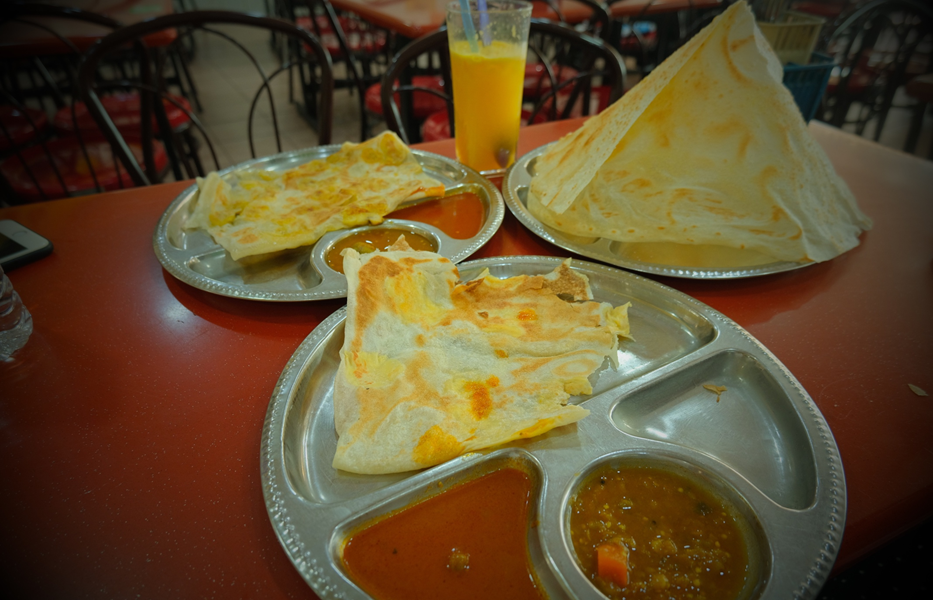
indian-food-in-kuala-lumpur

How did I get to Kuala Lumpur to travel

Kuala Lumpur is the first city we land in after 4 hours bus ride from Singapore. Can you guess what was the first thing we met? It was around 3am that we met a taxi driver who spoke very fast, gave lots of compliments to Hanoi, Sapa, Ha Long Bay of Vietnam because he had been there; introduced himself a policeman which gave us the feeling of being safe but charged us a very high price. Fortunately, I could bargain half down. But when we handled the money he tried to get 5MR more from us as he said he had no change. We didn’t give him what he wanted as we just preferred every things clear though at that time we had no idea how small or big the 5RM is.

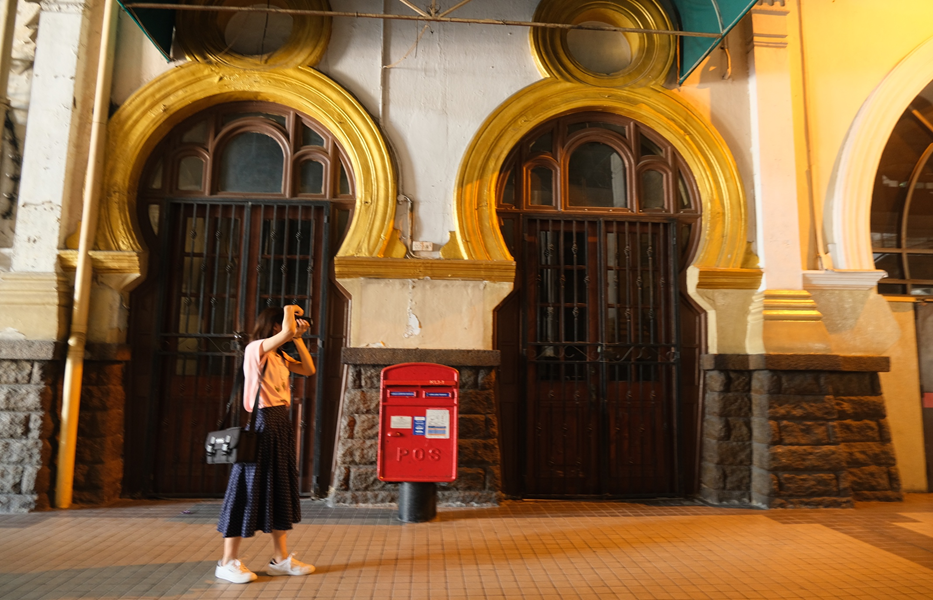
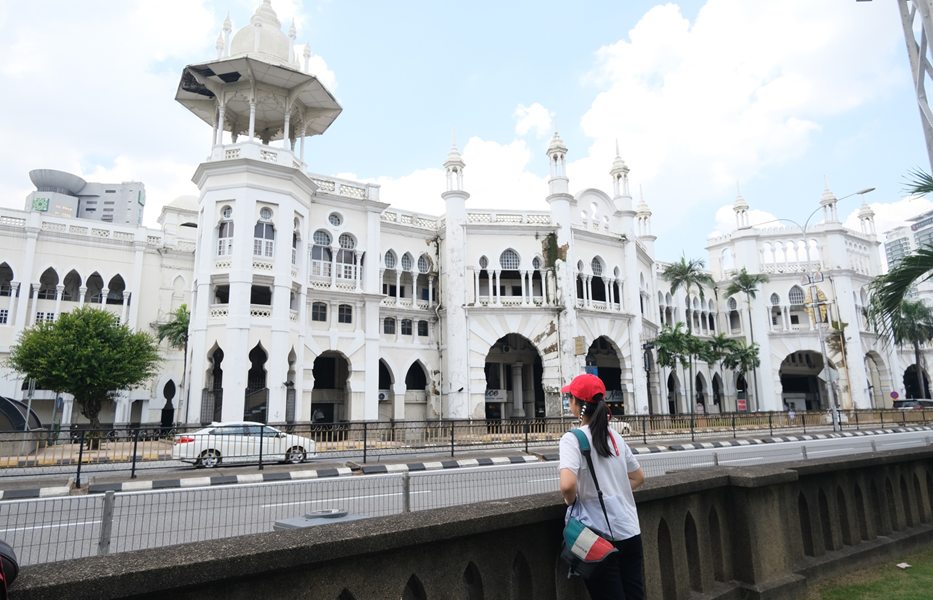
kuala-lumpur-old-station

Things to see in Kuala Lumpur on first day

China Town

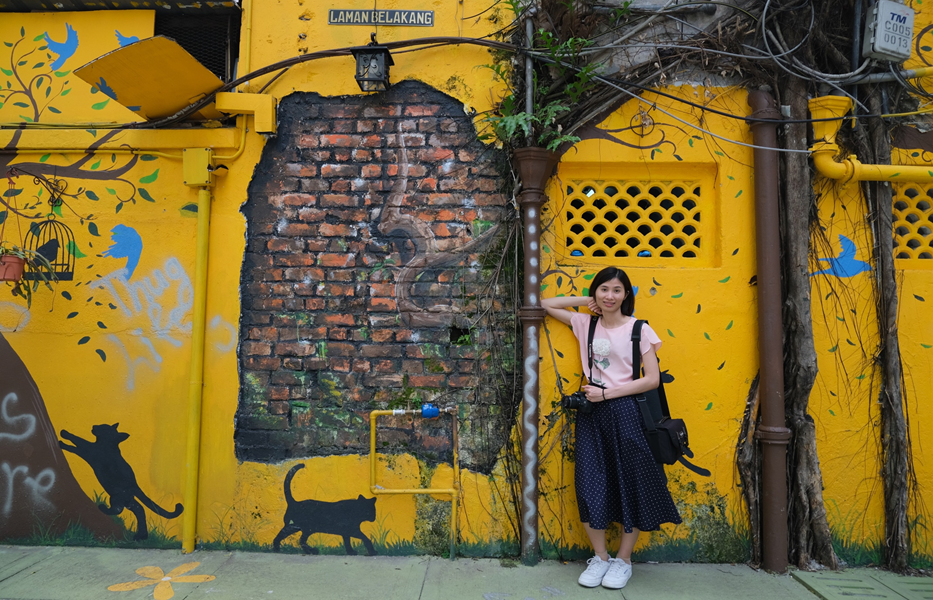
After a good sleep, we woke up and stroll around to find some food and explore the city. The first idea I could assume from the city is that it’s not a modern city. The architecture and building are pretty plain and simple. Splendid Singapore made this capital city quite shabby in my eyes. The atmosphere was stuffy due to the heat and air-pollution. Its China town and food street were so disappointed. China town is overwhelmed with guys who do nothing but looking around and glancing at people. A concern of being robbed rose up to all of us while we were standing outside and wait for our grab driver. The Alor – food heaven street is not so clean. Though there are multi-countries food stalls, we desired to eat nothing.

kuala-lumpur-travel-the-old-station

Malaysia Old Station

Things got better after we reached the Malaysia Old Station and a Police Station sited opposite. The station is pretty old, still in use but less efficient as the new one. In a walking distance of this station are the butterfly & bird park, a religious Mosque and some museums. It was Monday when we were there, and also the month of Muslim New Year that the places are closed. One more tip here is checking your schedule well to avoid the praying hours when tourists are not allowed to enter.

jalan-alor-kuala-lumpur

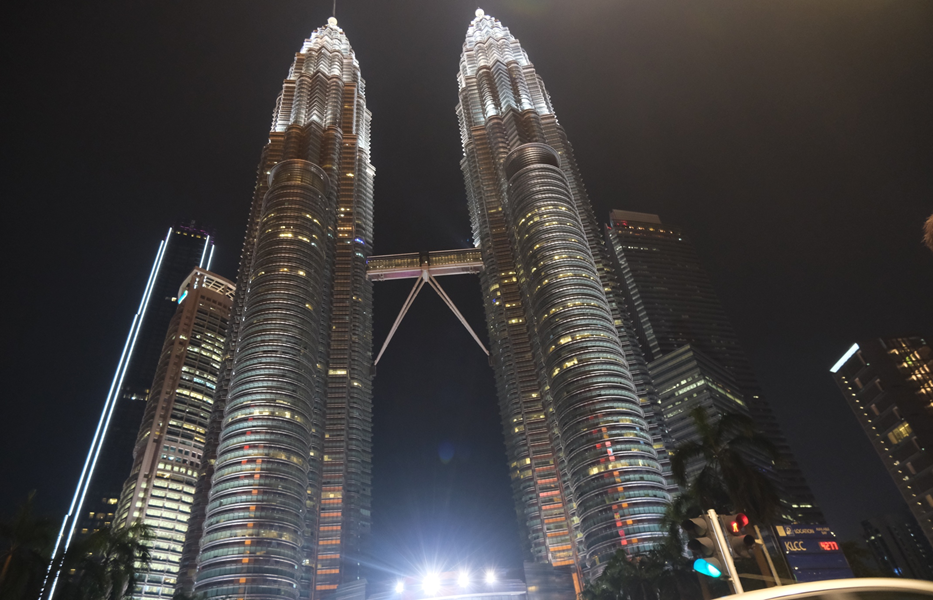
Petronas Twin Tower

Afternoon, we checked out at the Petronas Twin Tower that symbolizes Kuala Lumpur. You can walk through the tower to see it from two sides. We took photos from the front, and then walk in the back to see some water fountains pumped up at 7pm with some light display which is so so. Inside the building, there are international shopping stores, Muslim costumes and accessories, food-court presenting at any shopping center, and VIP toilet – not free but higher-end. I didn’t hesitate to spend money as the services are pretty exclusive when almost people walk to the other floor and try free toilet and left me in the spacious area.

pertronas-twin-tower-kuala-lumpur

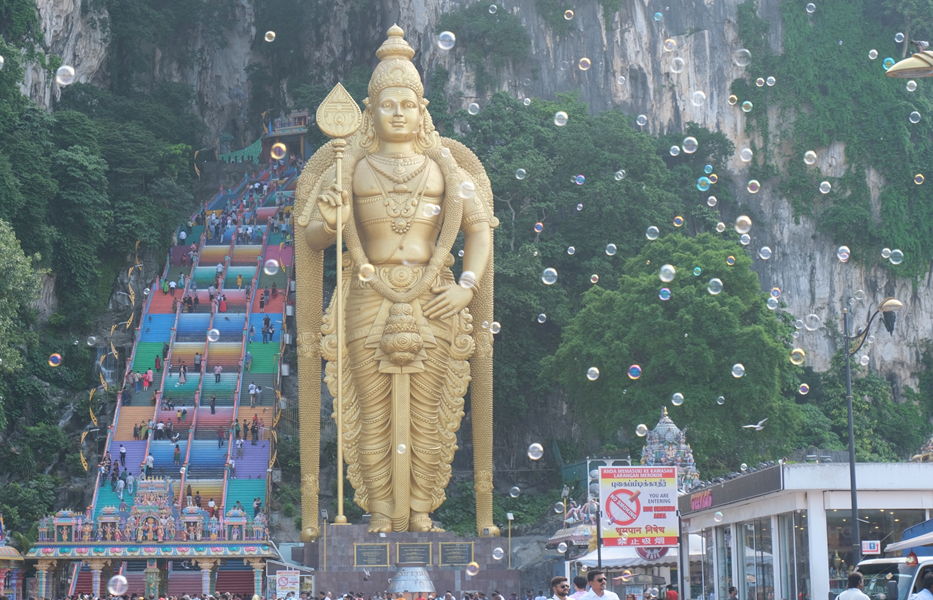
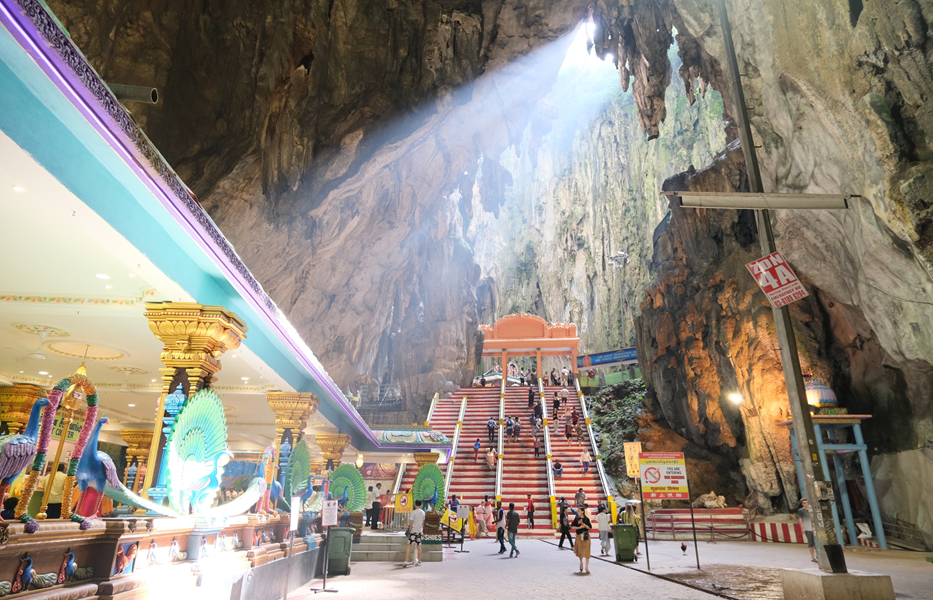
Batu Cave

Travel farther around 15km out of city center on second day, we visited Batu Cave where is said the Muslim religious sanctuary. On the way to the cave, our driver pointed at the traffic jam and said that Malaysian prefer driving their own car than using public transport. Each of them staying in one car and they are happy with that instead of using public transport like sky train, bus, subway. It’s one of reasons cause traffic jam and air-pollution as I observed that there are bunches of old cars emitting black smoke to the environment.

batu-cave-kuala-lumpur

Batu Cave is not outstanding except the rituals. I could learnt and witness how Muslim pay their respect, conduct the ceremony and their belief. This cave is ambushed by dozens of wild monkey who are sensitive to plastic bag. They will approach and grab it from you with tension to stole it from you. They climb up to the light columns and swing their bodies against the columns make the them shaken.

batu-cave-in-kuala-lumpur

The pastor on behalf of the crowds pray to the supreme then share the donations and bless to them. Local people bring milk here to bath for their Muslim god statue. Inside the cave is nice, but the smell is not to pleasant due to the humidity, the poop of wild monkeys and bats.

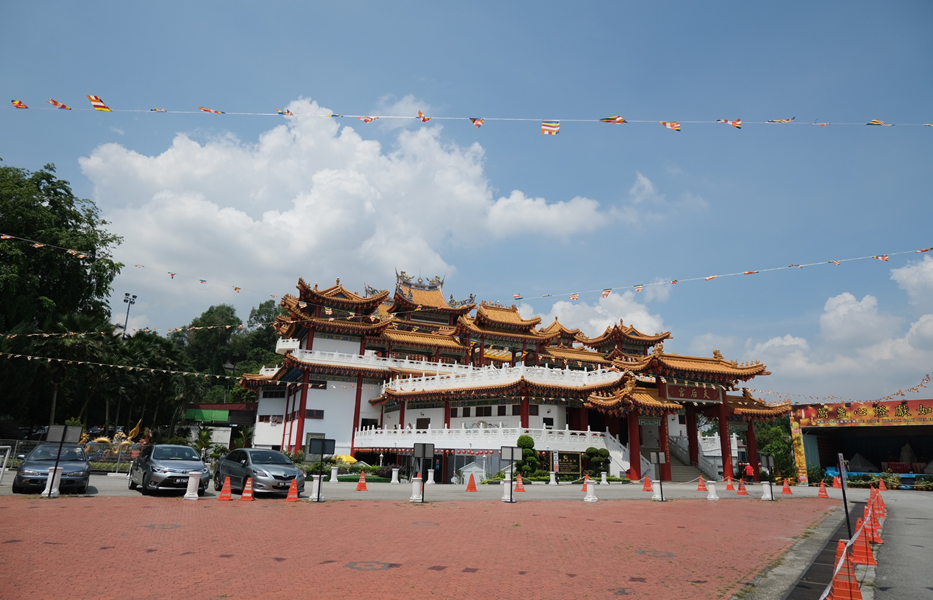
thean-hou-temple-kuala-lumpur

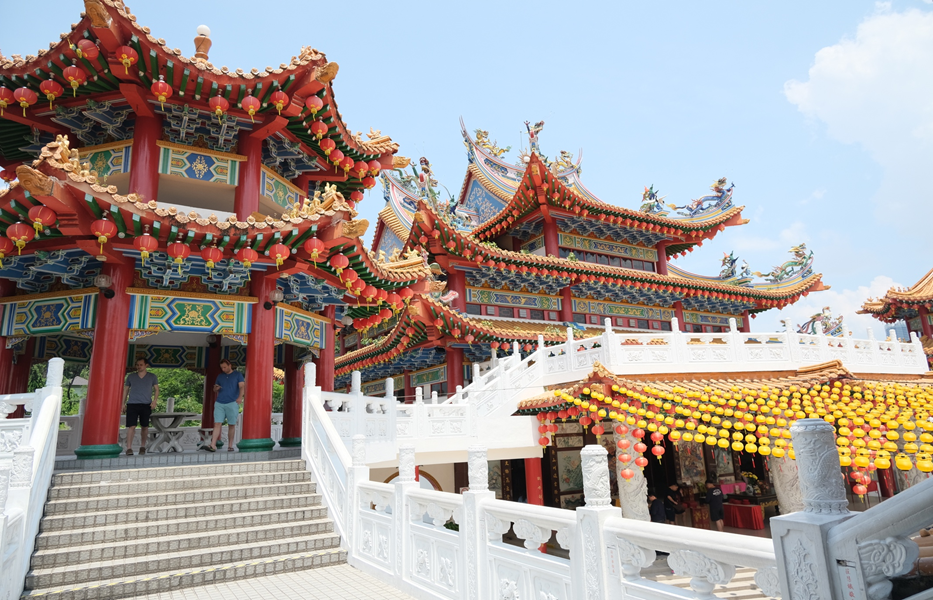
Thean Hou Pagoda

Next is Thean Hou Pagoda, a colorful and beautiful place to find a soul peace. The pagoda features the filial and some models in the past who fulfilled their roles as a child. The pagoda is in colorful settings and sophisticated. It’s remind me very much of China architecture.

thean-hou-temple-malaysia

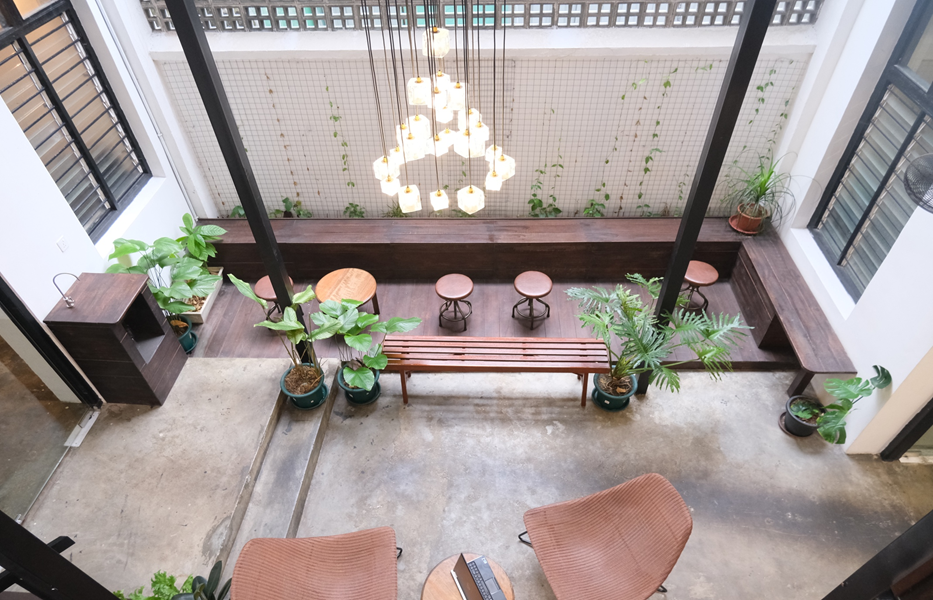
Cafe in Kuala Lumpur

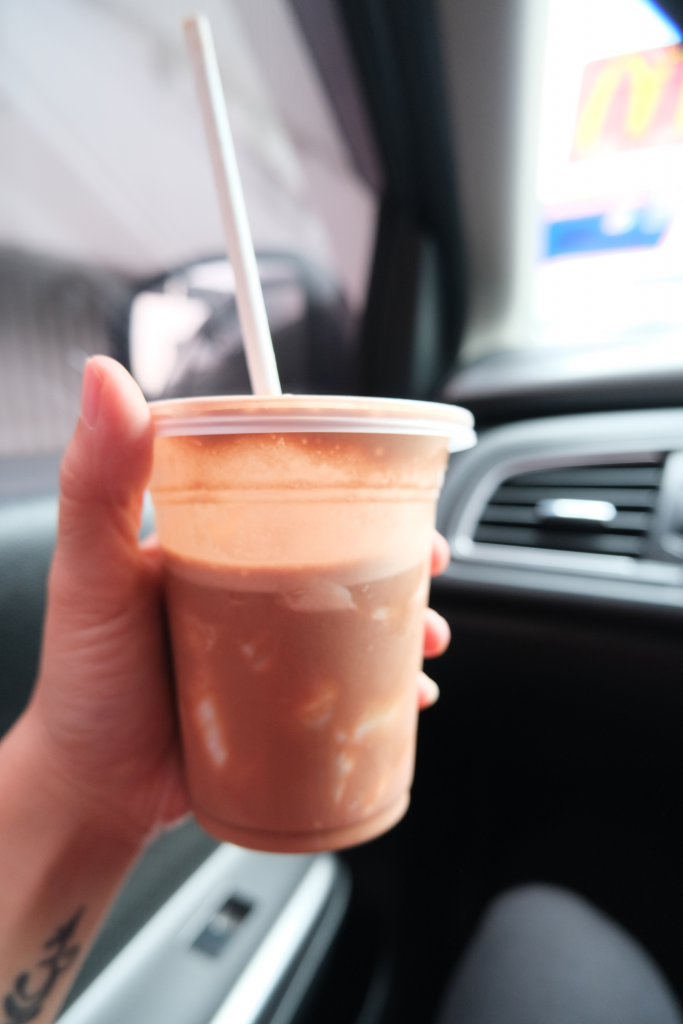
Getting back to city center, we stop at a boutique cafe and try chocolate with fresh coconut. We go with the take away option due to time limit. If I could spend some more moment, I would love to chill-out here for more than one hour. After two full day in Kuala Lumpur, we left the capital and carry on venture to the north.

cafe-in-kuala-lumpur

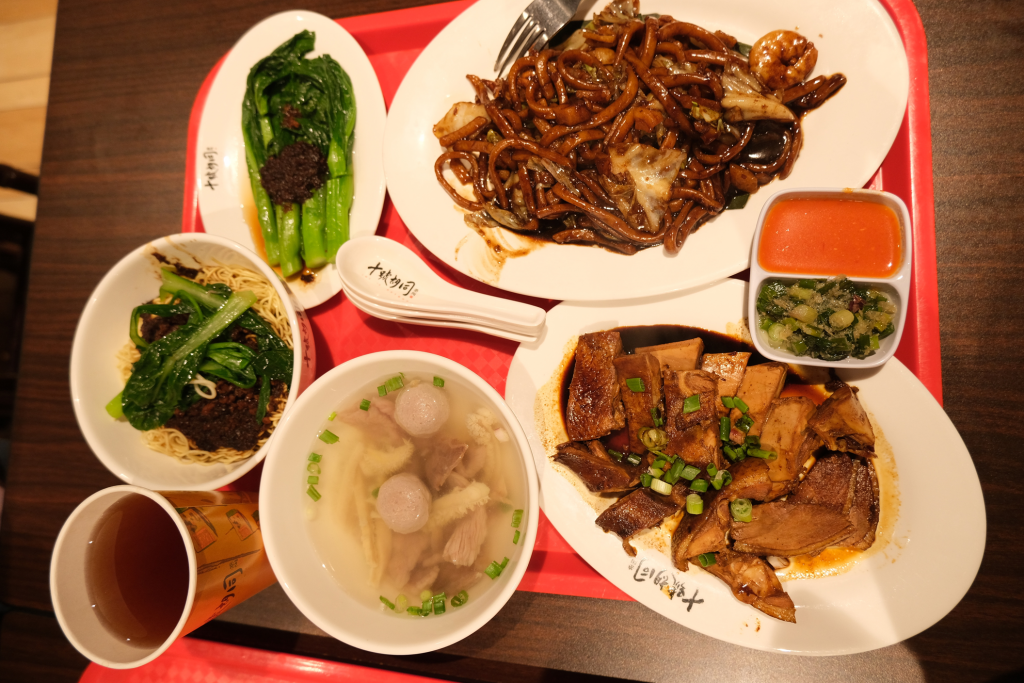
About food, we are not picky eaters that all dishes are fine to us. However, there is nothing wow yet though there are many food choices. Because we ate the best Indian food at Cameron and tried nicer dishes at Penang where people say food are more delicious than other regions. The most impressive once to me is drinks probably as my favorite food is Vietnamese cuisine. You can find further detailed about Vietnamese food at Vietnamese cuisine journey 12 days. We got amazing and quality cup of fresh orange juice from an Indian Restaurant and the coconut chocolate nearby out hostel.

drink-in-kuala-lumpur
local-food-kuala-lumpur

All in all, Kuala Lumpur is not much impressed to me. However, I am glad that I have been here and wander in the city whole day to observe the local life, talk to some locals which are mainly grab car drivers as grab is the most convenient and cheap when we want to travel around, and taste the local foods. All those things make Kuala Lumpur unique itself. Just come and have your own feeling and experiences in this city.

Indochina travel at glance

Indochina is an awe-inspiring travel destination attracting travelers by its rich cultures, exotic landscapes, delicious & healthy oriental gastronomy and especially amiable people.

Indochina means the land between India and China comprised of three alluring countries: Vietnam, Laos and Cambodia. Each of them has their own unique characteristics bringing up inspirational and memorable journeys.

indochina-travel-blog

LAOS

Things to do in Laos

Laos, called the “Land of Million Elephants”, is a landlock country; however, this is among the most intriguing destinations in Southeast Asia. Over three fourth of the country feature mountainous topography offering chances to:

  • Hike & trek in the jungle from all over countries. Some outstanding names to call out are Southern Laos (Bolaven Plateau in southern Laos and local villages) and Northern Laos (Nong Khiaw, Muong Ngoi, Luang Namtha)
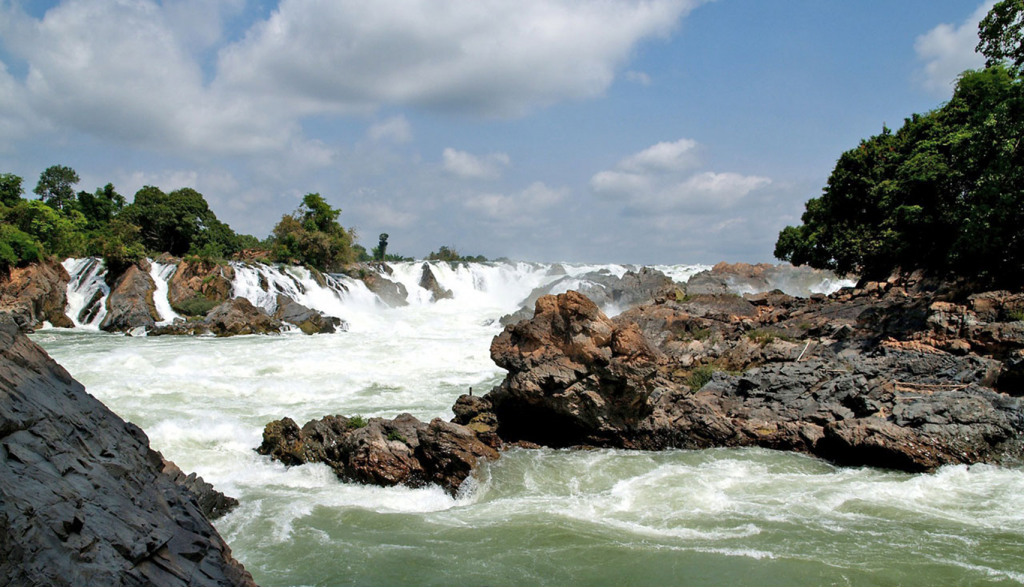
  • Admire the stunning nature of terraced of plunging waterfalls like Kuang Sy Waterfalls, Khone Pha Pheng, Tad Fane, etc.
  • If you are looking for an off-the-beaten path route in Laos, let’s plan a Southern Laos itinerary to get involved into the wildlife such as visiting an elephant village in Luang Prabang, cruising on 4000 Islands region and watch the fresh water dolphin. This region is a unique spot for Indochina travel journey.
4000-islands-laos

A part from this, Laos is also an ideal destination for laid-back. Being a Buddhist country, Laos is spotted with pagodas scattered here and there. Local people practice the religion and worship the monk. The most engaging and also must-to-visit city is Luang Prabang when traveling in Laos. Additionally, there are boutique accommodations nestled in the luxuriant gardens in Luang Prabang for a fantastic wellness journey.

Things to do in Luang Prabang

Generally, the visitors will able to experience:

  • Ancient and spiritual temples in Luang Prabang such as Wat Xieng Thong with the mosaic tree of life, Wat Mai, Wat Visnoun, etc.
  • An observation or joining in the Tak-Bath ceremony that the local monks in saffron-robes will walk in file crossing streets where local people will be sitting or kneeing on the roadside and offer sticky rice, fruits and flowers.
  • Iconic Pak Ou Cave located at the conjunction of 2 rivers offering a leisure boat ride along Mekong River
  • Emerald Kuang Sy Waterfall with extensional trek through Ban Nong Heo Village instead of driving directly to the waterfall gate
  • The attendings in meditation courses, cultural Baci Ceremony and so on.
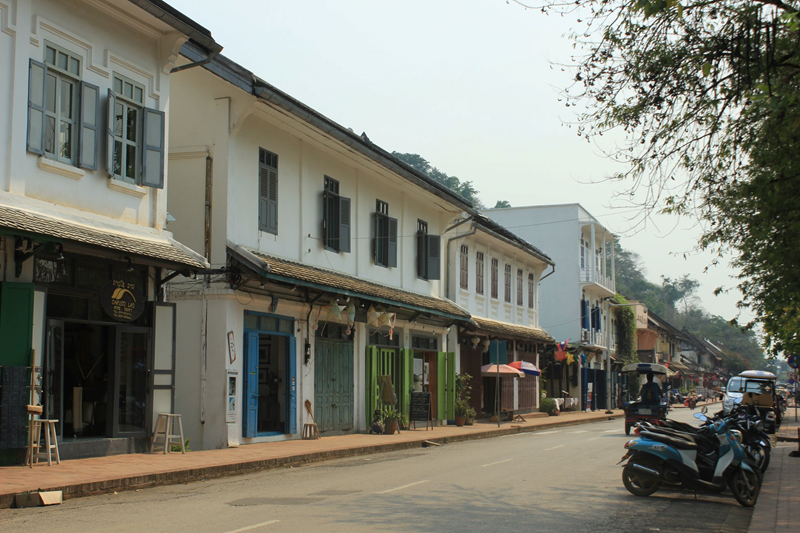
luang-prabang-travel

To have the first glimpse of Laos, it takes average 3 nights to discover Luang Prabang riverine city. The adventure seekers could spend longer time and visit the rest parts of countries like capital Vientiane capital, Pakse and the stretching toward southern Laos, Vang Vieng

CAMBODIA

Cambodia located in the southward of Laos and bordered by the south-west of Vietnam is another story with its very own beauty.

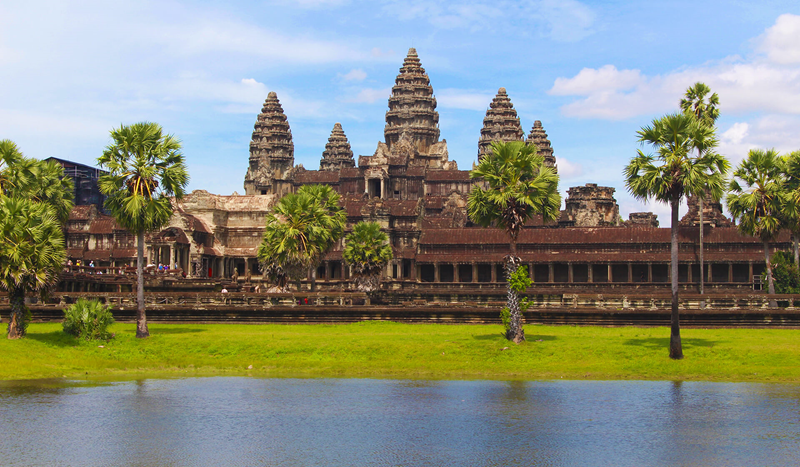
Cambodia-angkor-temples

Angkor Temples in Siem Reap

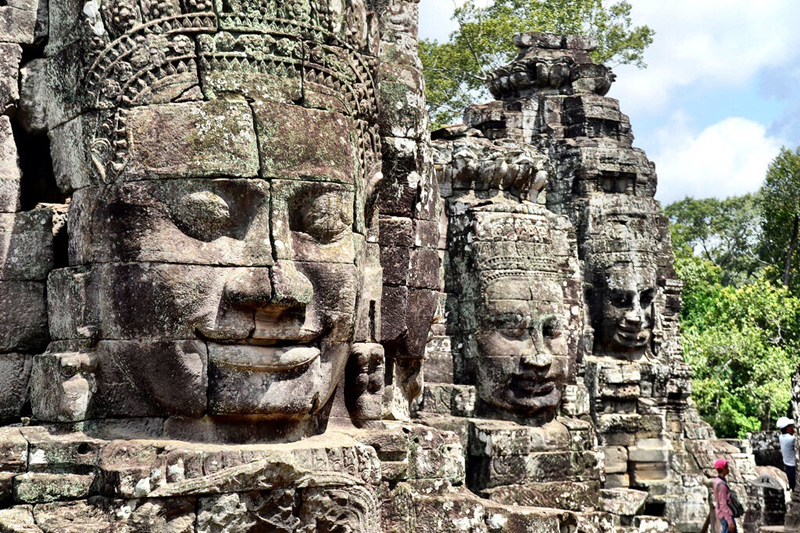
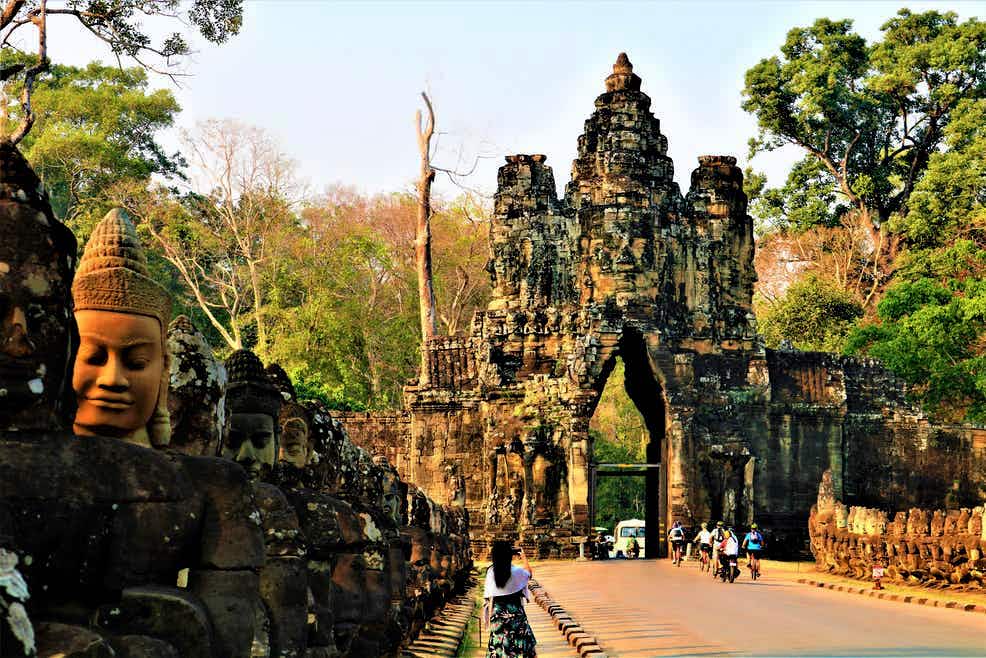
If Luang Prabang is the first and foremost city to visit in Laos, Siem Reap is the province making Cambodia similar to no other countries in the world. This ancient Khmer Kingdom capital city will stun people by its mysterious Angkor ruin Temples once sheltered themselves under the jungle’s canopies. Touring around Angkor temples is definitely a spotlight of your Indochina travel plan. Unmissable temples names are Angkor Wat, Ta Prohm, Bayon, Banteay Srei, etc. It takes one days or more to wanderlust from the popular to isolated temples, or from the city nearby temples to the one in border area ones.

Cambodia-Bayon-temple

Visit Battambang Cambodia

Temples exploration, however, isn’t all. Cambodia’s bucolic countryside is impressive offering opportunities to intermingle with locals and learn more about their daily lives. Tourist can visit the local villages nearby Siem Reap, or travel around 3.5 hours to Battambang for rural areas by bicycles or tuk tuk and thrilling bamboo train.

Phnom Penh and the southern region

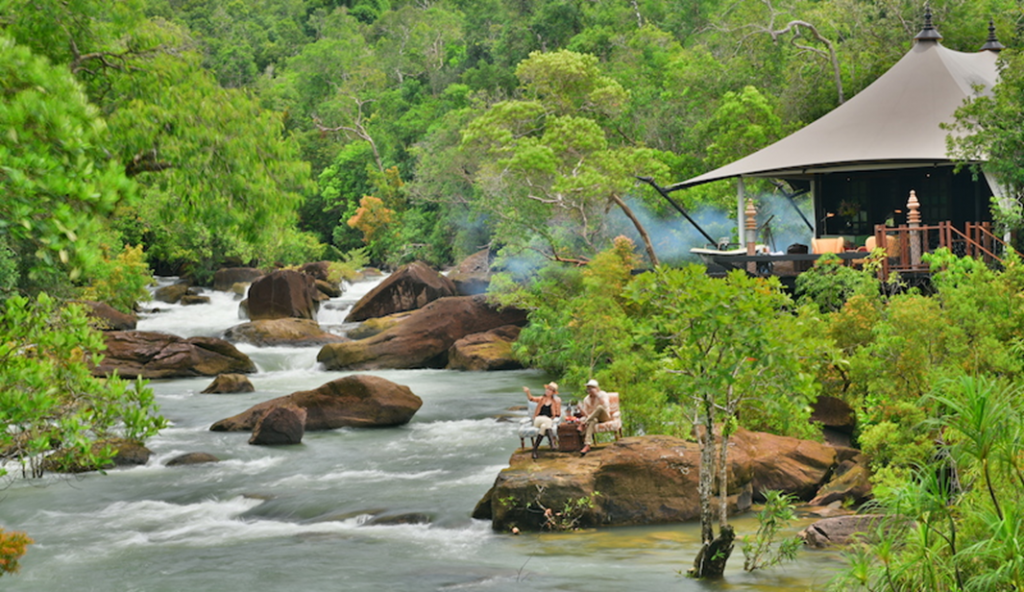
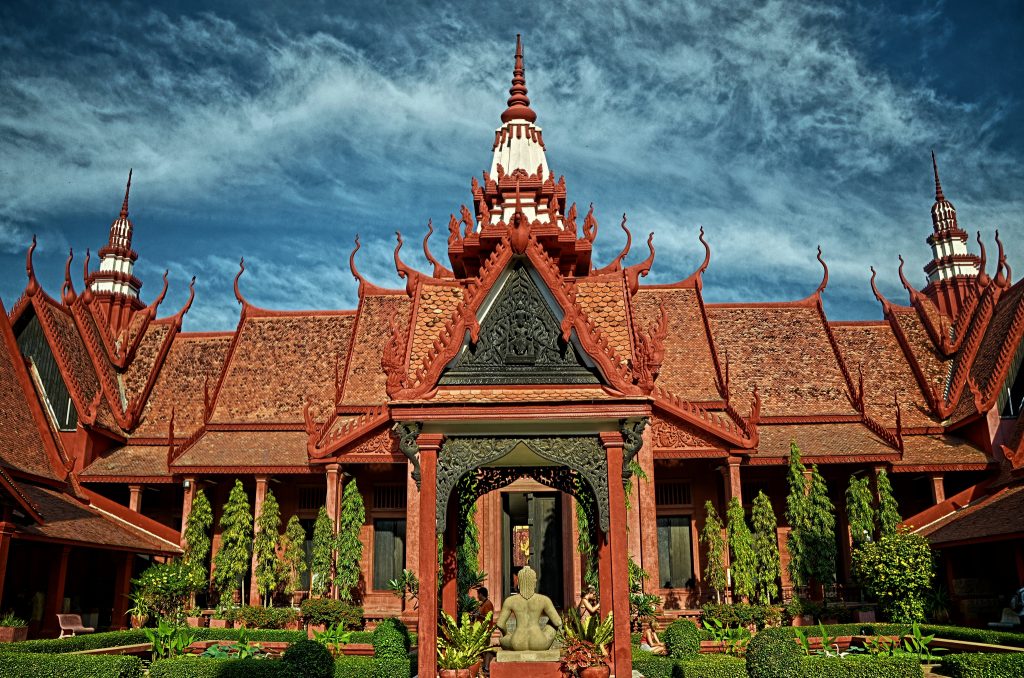
In the southern and central of Cambodia are Phnom Penh capital used to be called the Pearl of Indochina showcasing vicious but vivid historical evidences and Royal relics; Sihanouk Ville and pristine beaches in the Gulf of Tonkin (though it is affected by the mass tourism, there are many resorts with private beaches for a stunning beach leisure);  and a couple of national parks for a life-time escapes. Shinta Mani Wild and Song Saa Islands are doing very well with their luxury accommodations in the captivating nature.

Cambodia-travel

Bird watching in Cambodia is noticeable to put in the itinerary as Cambodia is embedded with many national parks. The easiest one to arrange is Preak Toal which is not so far distance from Siem Reap.

VIETNAM

Last but not least is Vietnam, a country renown for the impressive history, breath-taking nature, tasty and variable local food & drink all over country. Vietnam is an unmissable destination of your Indochina travel journey. It offers rich culture and ethnicity, and a huge economic recovery and dozens more. To see the highlights of Laos and Cambodia, it could take 3 nights, but Vietnam requires longer durations from 7 or 10 days and more. Geographically divided, a Vietnam trip should comprise the northern, central and southern part of Vietnam.

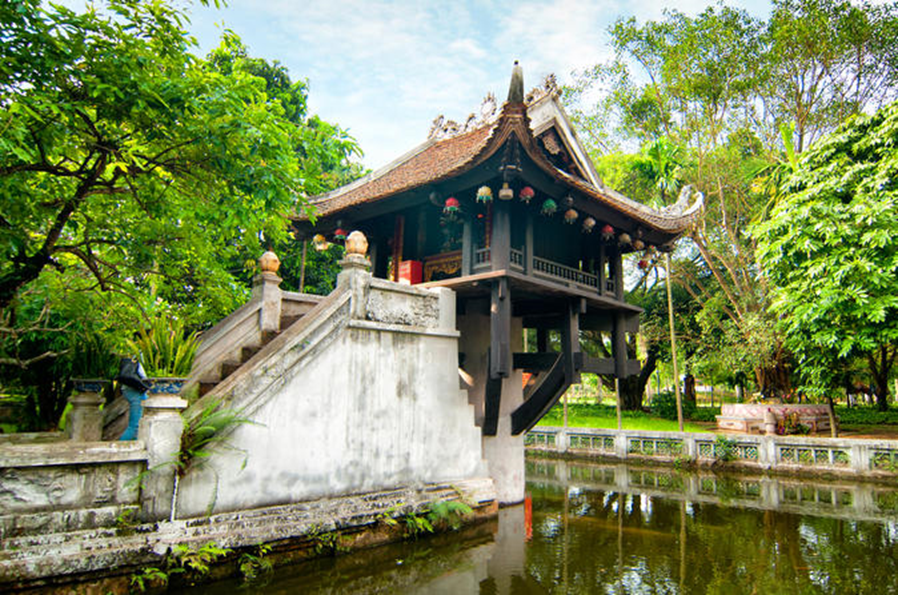
one-pillar-pagoda-hanoi-vietnam

What to see in Vietnam when having Indochina travel trip?

Northern Vietnam:

  • Hanoi capital with over a thousand-year culture and history which significantly influenced, but not mixed with, by Chinese culture. This atmospheric city’s every corner draw visitor’s curiosities and excitement.
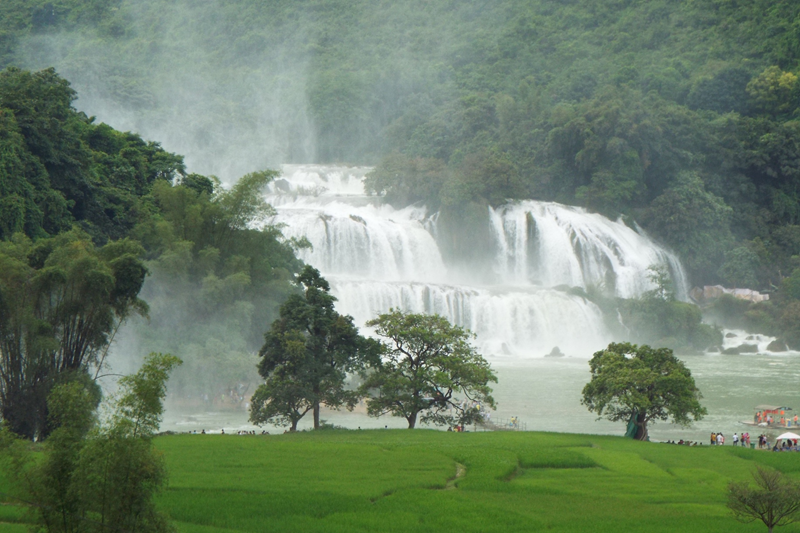
  • Captivating Ha Long Bay and its sisters like Lan Ha Bay and Bai Tu Long Bay of thousands karst limestone peaks emerging from ocean
  • Mountainous regions with astonishing terraced rice field and hiking, trekking trails; and also, off-the-beaten tracks places.
waterfall-vietnams

Central Vietnam:

  • Hoi An ancient town with attached Japanese and Chinese blended architecture houses offers pleasant strolls with stop and visit to the museum, cultural houses, café, or shop for tailor made suits and leathers.

More than that, biking to rural villages and sailing with local boat to reach traditional villages making pottery, carpenters, etc.

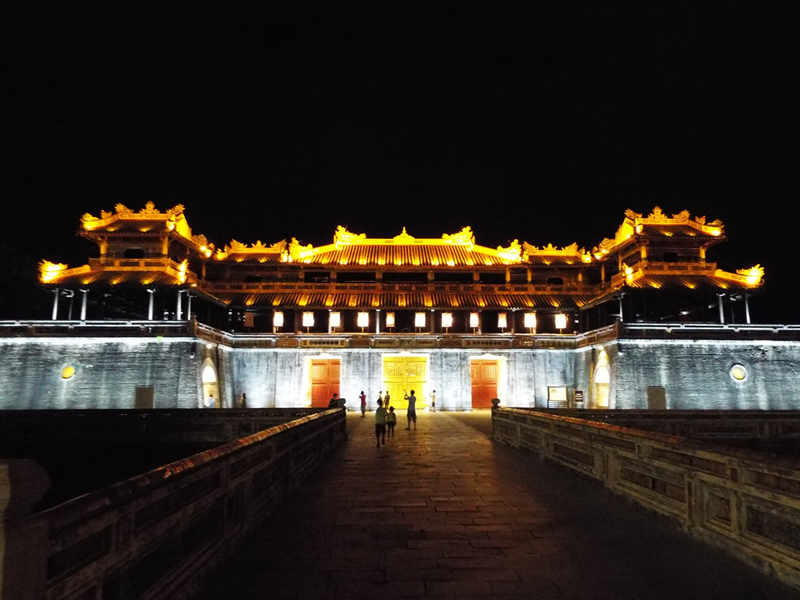
citadel-hue-vietnam
  • Hue the former royal citadel is a charming and pristine city with Emperor relics, hills of marvelous views, ancient houses up to 500 years old site in ancient villages with memorable biking opportunities, stunning endless lagoon with amazing sunrise and sunset.

Southern Vietnam:

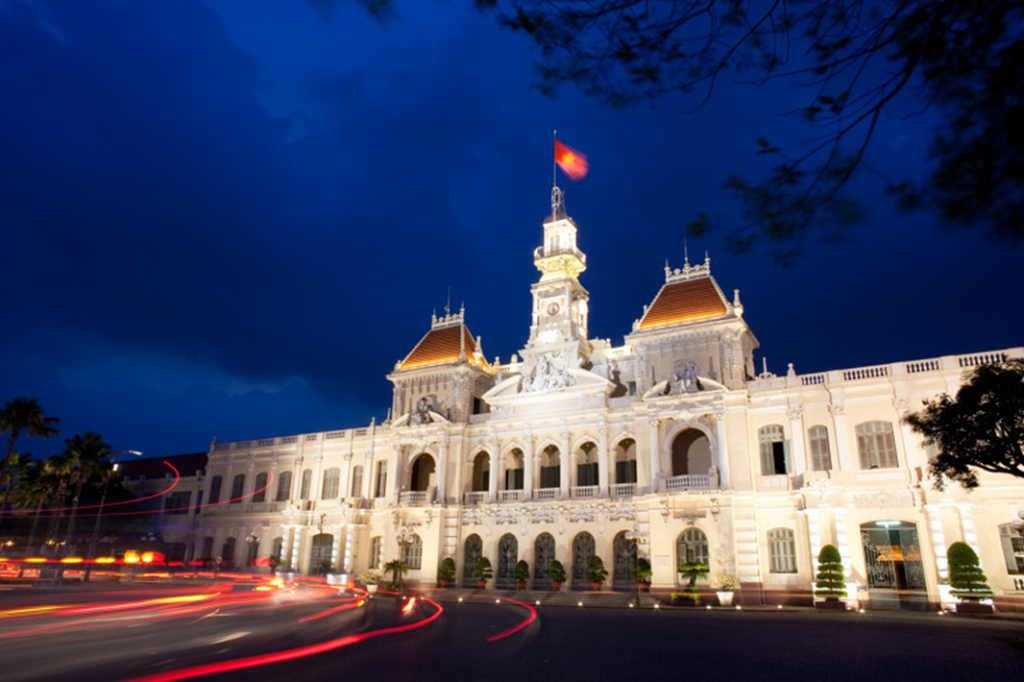
saigon-vietnam
  • Hustle and bustle Ho Chi Minh City, or Saigon with Colonial architect influence buildings, historical attractions like Cu Chi Tunnels, partial Chinese custom with Chinatown.
  • Mekong region: A large area in the southernmost of Vietnam with pristine neighborhoods of tranquil river, lush orchard gardens. There are prominent towns like Ben Tre, Cai Be, Can Tho, Chau Doc, etc. of very different ambiences as well as thematic landscape like coconut ranges, floating market, rice field, Cajuput forest and so on. 

Additional to above classical visits, Vietnam is granted with gorgeous and quiet beaches casted along over 3000m coastline in the east. Vietnamese cuisine also plays a crucial role in making the country favorable by visitors. There are dozens of dining experiences varying from local street dishes to the fine-dining restaurant matching different interests.

How did I fall in love with Shanghai

China is a giant country with so many spectacular cities as well as incredible nature, rich culture and history. One of the must-to-see city is Shanghai, also my most favourable city in China. How many days is enough to explore this city? Two days is a perfect timing; however, to see the neighboring of Shanghai, it might need one more day to Suzhou and 2 more days for Hangzhou.

Shanghai is the largest city and the most developed metropolis city of China located in the East of the country. Not to mention, the rich culture and exquisite gastronomy are incredible. The place is also the homage of Chinese Opera House. These are the main thing that make Shanghai my favourite city. It’s such an inspiring city of the nee 1

Bangkok second time still offers amazing experiences

Bangkok, the gateway to South-East Asia, is well known for its modernity and shopping heaven with international luxury brands and local domestic products. It really takes time for the visitors to discover Bangkok city’s inner charm. Additionally, from Bangkok, there are many day trip options to see the nature, wildlife and history of Thailand. What are different experiences that I have between two time visiting Bangkok?

1. Staying in different places in Bangkok offering really different observations

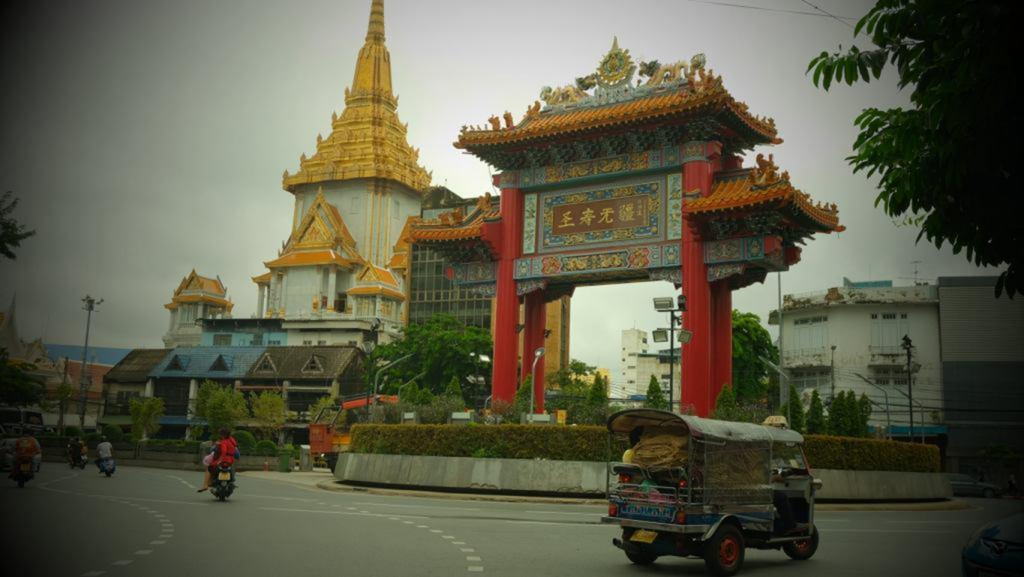
Like the majority of travelers, I chose a hotel in Khao San Road or the Western Street of Bangkok for the conveniences in controlling the sightseeing plan. With the first time, there is a fear of unexpected situations such as traffic congestion, fail in getting to the Bangkok city attractions, no good place to eat and so on. Khao San Road is an ideal place to stay for the visitors. Beside, China Town is preferred too for the easy exploration. There are many choices of accommodations with moderate budgets.

On the second go, I arranged a hotel in city center which is closed to the citizen areas. Out of any anticipation, I stayed in the area of jewelry traders. Along the street, except for dining restaurants and office buildings, almost the rest stores earn the business with jewelries and jades. Some do wholesales only, some go with both wholesales and retails. This is explained easily as there is a big communities of Chinese in Bangkok. Strolling to the neighborhoods, we found authentic streets and local people, watched the traffic and saw Thai people moving with their daily life like school, work, excercises, talks, etc. It was so exciting to gain such entirety difference interactions.

2. Dozens of things to do in Bangkok

After two times experiencing the city, I found it’s difficult to get bored in Bangkok.

Bangkok Main Attractions to visit:

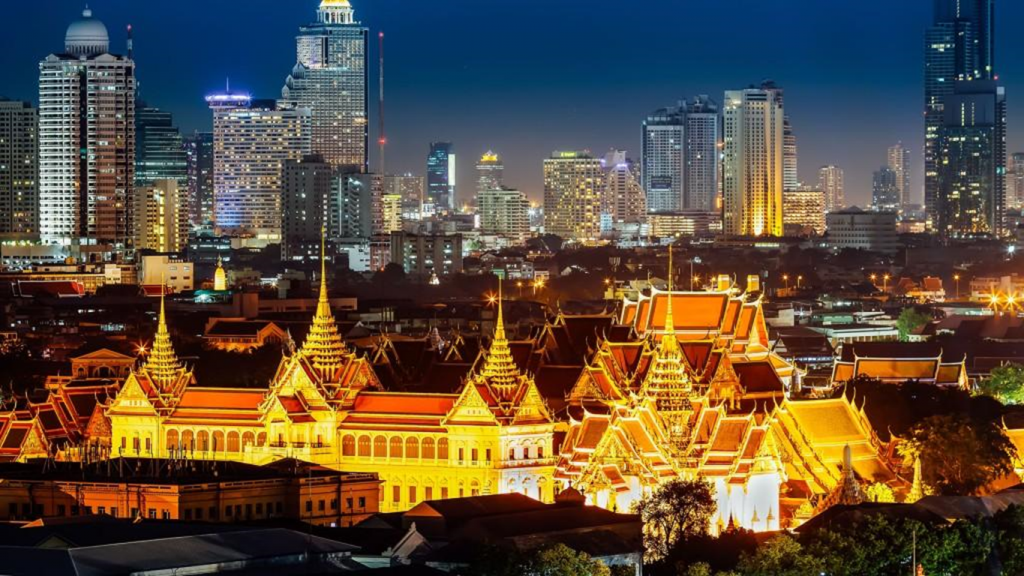
For a glance of Bangkok, every ones tend to look for the most highlighted attractions like The Grand Palace, Wat Pho, Wat Arun, Khao San Road, China Town, Wat Tiramit, weekend market and floating market.

Plus, look for the chances to try Thailand famous food like mango sticky rice, tom yum, etc. Or if strolling around the China Town, get the seafood at renown restaurant. Or call by shopping centers to buy so many stuffs and enjoy Thai food at food courts.

In my second trip to Bangkok 3 days 2 nights, I didn’t feel rush to have the visits to must to see places in Bangkok. On the first day morning, I took a leisure walk around the Jewelry streets and stop at local venders and eat the local breakfast of variable choices like sticky rice, grilled chicken, fish, pork, Thai salad cooked in local styles, etc. Then keep walking and stop for an Amazon coffee before arriving at China Town (45mins slow walking). In China town, beside the main streets of Gold stores and good restaurants, I came across many alleys where local people, mainly Chinese origin do business of many goods like shoes, clothes, souvenirs, bags, decorative items, nuts, fresh food, etc. It’s such an heaven for shopping and having snacks. After awhile, I stopped at a local restaurant for a soup bowl. The first doubt was that this soup is weird and seems not healthy. After the serve, the soup has been so impressively delicious as it’s the crab soup.

Finish the China Town which is said the backbone if Bangkok is the dragon, I move to Wat Pho or known as the Pagoda of reclining Buddha with dozens if colorful and giant stupas. This place is also renown as the first massage school in Thailand; and the school still teach as well as provide massage services for visitors these days. Last but not least, one of the value that visitors will enjoy when entering the pagoda is that daily the respectable monk gives the chants at 9am. I did last time in the morning and sit together with locals to hear from him who sit separately and higher than local residents. Local people can sit either inside the main hall of the pagoda nearby the monk or outside with a focused and deferential mind.

Again, I came back to another pagoda that I do enjoy in Bangkok which is Arun Temple or Wat Arun mean the temple of dawn. Just a short walk from the back exit of Wat Pho, I find the familiar ferry pier where I can buy the ticket to cross the Chao Phraya River where there are so many big fish dancing on then water surface which is rarely seen in Hanoi.

Shopping in Bangkok

There are many places to do shopping in Bangkok from local markets to shopping malls. The first time, I visited a couple and spend the second time to see some others. All the shopping areas in Bangkok look similar with bunches of goods; however the product varieties and the dining experiences are different. It’s just your own needs and interest; Bangkok never disappoints the visitors in term of shopping places.
The most famous markets could be named including:

Local markets in Bangkok

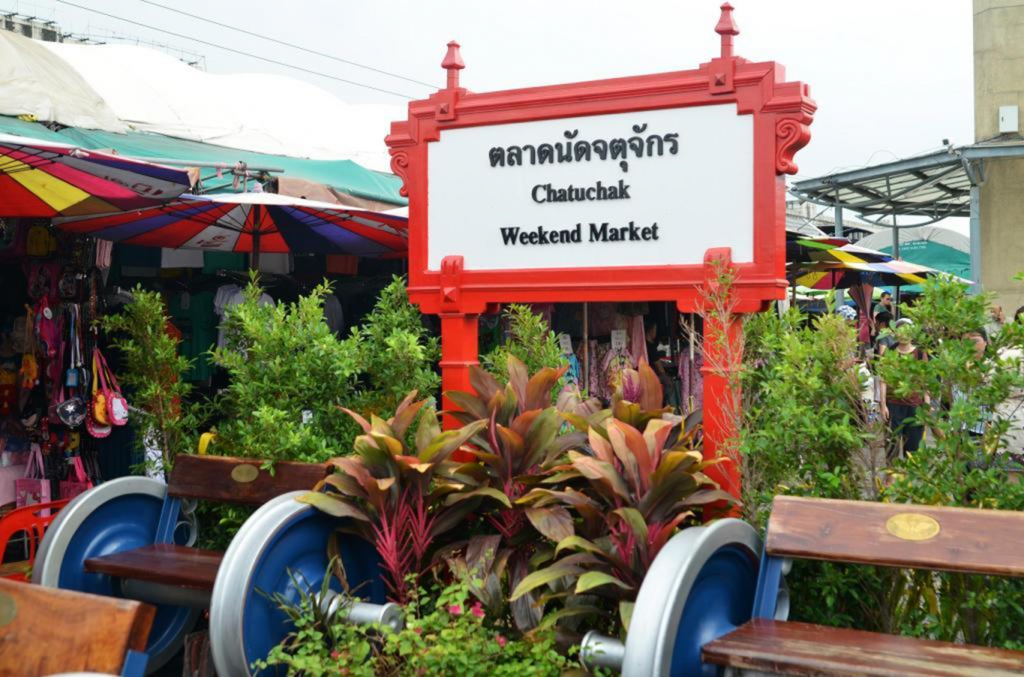
Chatuchak weekend market: This market is opened during weekend only. It’s a large market divided into 4 mains blocks A,B,C,D with diverse goods of clothes, shoes, leathers, pets, household amenities, furnitures, souvenirs, books, second-hand clothes, etc. To discover all the stuffs, it might take nearly a day. Then, decide on specific type of goods that you are interested to design suitable walking route.
Pratunam Market: This is a famous market for clothes with very reasonable costs. The prices even come lower if the quantity to buy is from 3 pieces.
China Town market: The area is popular and convenient to do shopping during the tour.
Patpong night market: Located on Patpong street at the intersection between Silom and Surawong streets, this market is not impressively large but there are many bars in the areas for those want to chill-out.

Shopping Malls in Bangkok

Shopping malls with air-conditioners and well distributed stalls are good choices too. Especially, a part from shopping, there are courts with food and drinks to get refilled after walking for so long.

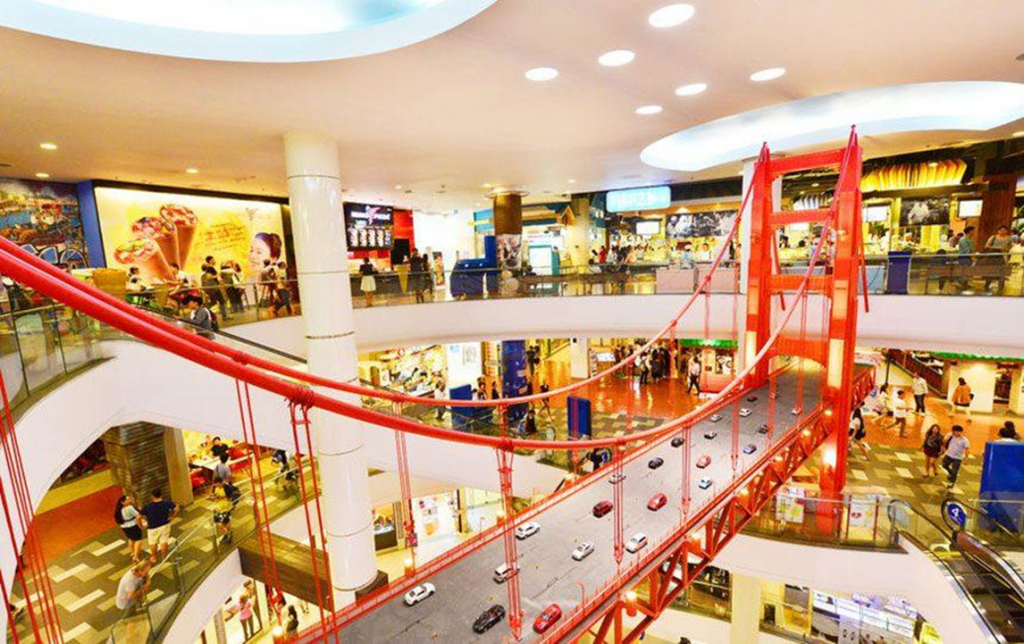
Terminal 21: located on Sukhumvit street, Terminal 21 is outstanding itself with each floor is designed and decorated like a big city in the word like Roma, Tokyo, Paris, London, etc. The products are at different ranges from local to international brands, of many categories to shopping. The foodcourt and restaurants in Terminal 21 are also highly recommended.
Plantinum Shopping mall: A mall with clothes at moderate costs. You’ll feel overwhelmed by the stalls of clothes, accessaries, and pretty items attached closely to each other.
Mega Banga: This shopping mall is not located in Bangkok city center; however it’s ideal for shopping lover with over 200 clothes stores, 100 cafes, over 30 cometic stores, Ikea furniture stores and other hundreds stores adapting clients’ daily needs.
Siam Square: A complex including Siam Paragon, Siam Center and Siam Discovery where are displayed with so many stores from moderate to high-end and international brands goods.
Others centers: IconSiam, MBK, Central World, Asiatique, Gaysorn, etc.

3. Sightseeing extensions from Bangkok

With 2 nights in Bangkok, it might be only enough to see around the city and feel local ambience. When return the second time, I could reach some provinces located around 60 -85km from Bangkok which could reach by 1 hour to 1.5 hour car transfer or local train. The recommendations are Ayuthaya ancient capital, Damnoen Saduak floating market, Kanchanaburi and Khao Yai. Of course I couldn’t visit all of those places in the second return, but will consider to come in my next trip.

Ayuthaya Ancient city:

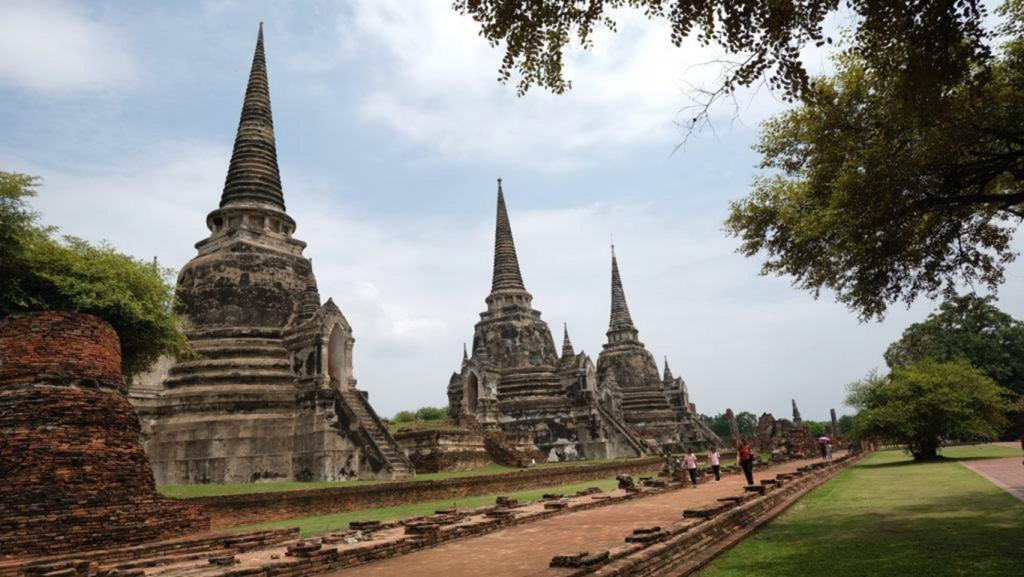
Ayuthaya is located around 76km to the North of Bangkok City taking around 01 hour drive by car and 1.5 hour travel by local train. It was the glorious island capital of Siam till 1767 when being sacked by the Burmese. The place is beloved by the enigmatic temple ruins, peaceful countryside landscape and lovely restaurants on river banks.
Among so many temples, you can see below main temples in Ayuthaya with nicest remain and significances:  

  • Wat Phra Mongkhon Bophit  
    • Wat Phra Si Sanphet   
    • Wat Mahathat   
    • Wat Yai Chaimongkol   
    • Wat Ratchburana   
    • Wat Lokayasutharam   
    • Bang Pa-In Summer Palace  

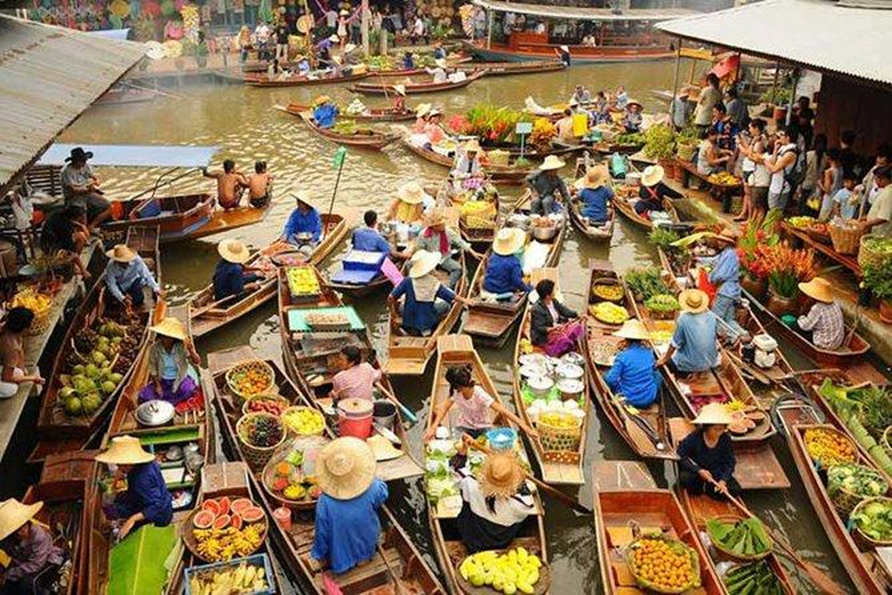
Damnoen Saduak floating market

This is an exciting popular floating market in Thailand to learn of a bygone way of life – floating life in Thailand. It also.offers chances for photo taking, taste great local food enjoy and the busy atmosphere of a floating market.
Car is the suggested transportation to travel from Bangkok to Damneon Saduak Floating market. It takes over 1 hour to travel in between. En route, there are chances to stop to pay a visit to fruit orchards, salt farm and enjoy the luxuriant countryside landscape.
Upon the arrival at the floating market, there will be some long-tail boats for the visitors to board on and sail along the river for roughly 20 minutes to delve into this hectic life.
This activities might take half day to discover the market. To save the long driving distance, you can combine with the elephant farm nearby in Kanchanaburi.

Kanchanaburi

Kanchanaburi firstly know as the gateway to the wild nature in the west of Thailand with alluring national park and the lush riverside resorts. This province is also reminded with the harrowing history during the Second World War. So this province will work for those are interested in the war history.

Things to do in Kanchanaburi:

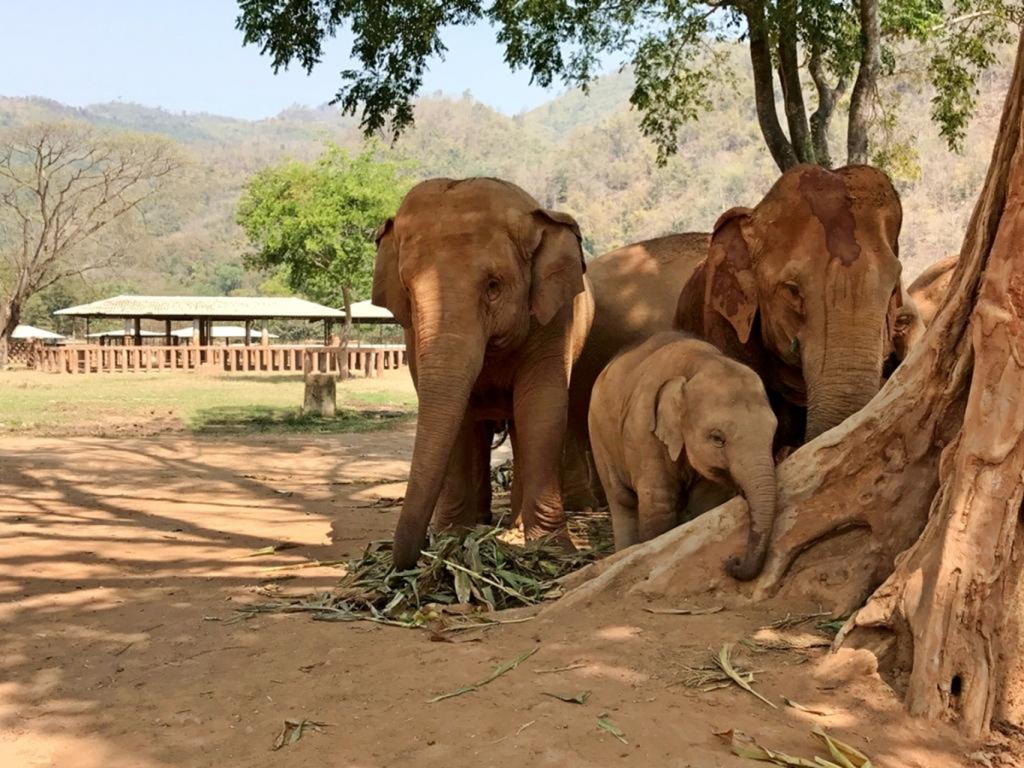
Visit the Elephant World: Built in 2008 for the sick, disable and abused elephants. The visitors can join gathering food, feeding and bathing for the elephants.
Death Railway Bridge: a 300m bridge constructed by the imprisoned Allied POW were ordered by Japanese forces to connect Burma and Thailand. It was bombarded since 1945. The visitors can come and see the relics, and also visit the Death Railway Museum.
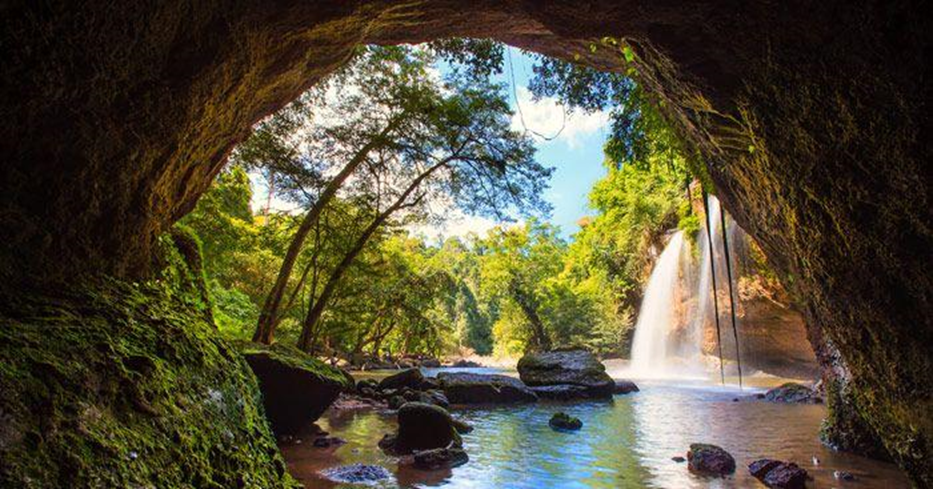
Half day visit to Erawan National Park: A national park with emerald green, dense jungle and thundering waterfalls. Beside hiking through the jungle, you can bath your self into the crystal clear water.
Other historical places: Hell Fire Pass Memorial Museum, War Cementary, Bamboo Rafting on Kwai River, etc.

Khao Yai

Khao Yai is around 140km (2.5 hour drive from Bangkok) to the north east of Thailand with Khao Yai National Park, a UNESCO Heritage Site and also the third largest national park of Thailand.

Things to do in Khao Yai:

Exploring the national park: This is a large national park of over 2000 sqm including rain forests and grassland. The national park is opened from 6am to 6pm for the visitors to delve into the jungle and observe great wildlife habitants.
Night Safari in the jungle: In the evening, there are jungle trucks taking visitor into the jungle to explore the night safari with mysterious sound of the night and see nocturnal animals like slow loris, civets, deers, elephants and so on.
Pay a visit to hilly Gran Monte winery where is with moderate climate, grape plantations. You can taste the prime wine of Thailand while doing the vineyard tour.

No matter it’s the first time or the second time, there are many things to do in Bangkok for your considerations. Just pick-out the suitable ones best match your interests. It’s excited to arrive in and pleasant when leaving the place!

10 most popular dishes in Vietnam

For any well travelers, local culinary is one of the essentials for visitors. Vietnam is renowned and beloved for great local dishes. Let’s explore the top 10 popular Vietnamese dishes that must try when explore the country.

1. Pho/ Bun (Vietnamese noodles)

Thanks to the globalization, Vietnam food restaurants are opened in many countries in the words of which mainly selling Vietnam Noodles. Undoubtedly, this dish is the most popular one to the people over the world. However, a little known fact is that Vietnamese people cook and make the noodles in diverse styles as well as ingredient combinations that create dozens of dishes with totally different tastes and experiences. 

Then, when travel to Vietnam, the visitors are recommended to taste different versions of noodle instead of the popular one widely known. 

The rice noodle itself is also made with different shapes, mainly are Phở (flat noodle stripes) and Bún (the rounded noodle thread). Below are the most popular and favourable noodle dishes in Vietnam:

Phở (Noodle soup): The common and traditional one of rice noodle with toppings of fresh beef or chicken. The broth probably is the most important factor contributing how good the Pho is.

Phở Trộn (dried mixed noodle): The rice noodle is mixed with herbs, soya sauce, sweet taste, sour taste, slight spicy taste from fresh chillies, peanut, protein from beef or chicken. 

Bún Bò Huế (Hue beef noodle soup): A representative noodle in Hue, the central region of Vietnam. Apart from beef, local people in Hue combine more ingredients with the Bun such as pig’s trotter, boiled pig’s blooded, lean pork paste, etc. Especially, this noodle type will be served with special regional chilly paste.

Phở Cuốn (Fresh rolled noodle): Stirred beef mixed been sprouts and fresh herbs are wrapped by a noodle sheet. Sound simple, but the perfect taste blending of this dish is favored by many Vietnamese. 

Phở Chiên Phồng (Deep fried pillow rice noodle): The noodles turn crispy when being deep fried. The way of eating this pillow rice is fun and delicious, of course.

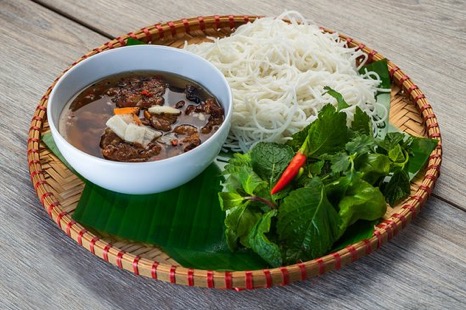
Bún Chả (Rice noodle with BBQ pork): One of the names shouted by tourists when traveling in Vietnam. When visiting Vietnam, Barack Obama President and talented chef Anthony Bourdain had Bun Chat together at a local restaurant. The photo of them dining together, along with Barack Obama Bun Cha combo get soon become viral.
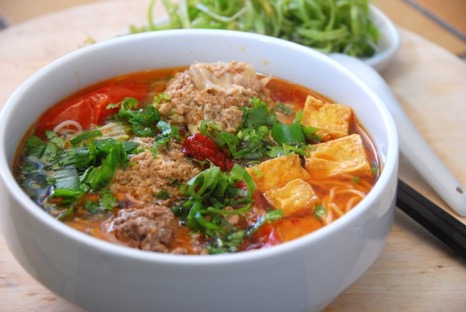
Bún Riêu (Crab soup noodle): This dish is least known by the foreigners however its a type of nostalgic one when Vietnamese travel abroad. Bun Rieu is a traditional dish cooked in countryside style by using the ingredients of villages like field crabs, tofu, pork ribs, tomato, local herbs vegetables, banana flower fresh salad, etc.

2. Banh Cuon (Vietnamese steamed rice rolls)

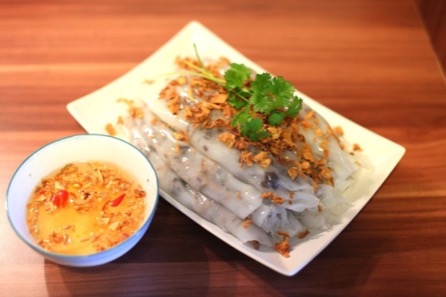
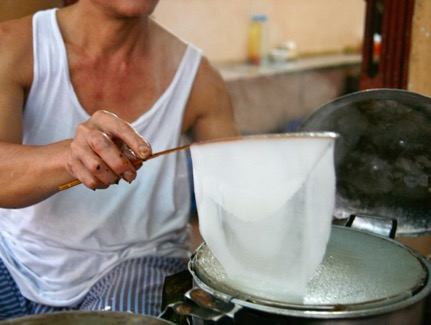
One of popular dishes for Vietnamese cooked on a cloth covering steaming pot. A thin layer of rice liquid stuffed with minced pork and ear-mushroom. The last step is spreading homemade deep fried onion. It’s simply served with traditional fish sauce with addition of pepper, rice vinegar, and herbs. This could be a breakfast or midday/ midnight snack.

3. Cha Ca (Grilled fishes)

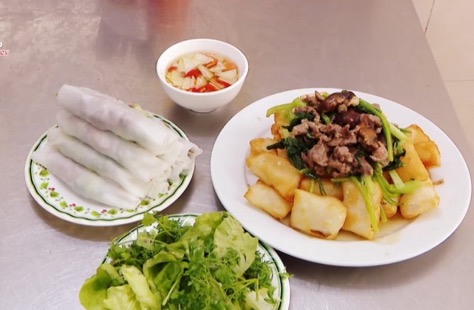
This is the specialty of Hanoi but loved by Vietnamese. A Street in Hanoi Old Quarter is named after this dish. When you step into the restaurant, they serve only one dish of traditional grilled fish of fish fillet (different type of river fishes are used depending on season like sturgeon,anchovy fish, etc.) soaked in fresh natural ingredients mainly including turmeric, galangal root, and lemongrass; then will be grilled on charcoal and ready to be eaten.
When serving to the restaurant guests, a small pan will be heated with light jelly fire to make the sizzling fish and then you will add more and more green onion and dill. You can mix the fish with rice noodle, fish sauce or stronger taste of shrimp paste, peanut, herb and enjoy.
4. Nem (Deep fried spring rolls and fresh spring rolls)

Deep fried spring roll is a traditional dish and very popular in Vietnam. It takes time prepare the ingredients, wrapping them in rice paper and patiently deep fry them. This dish is regularly prepared during family union events. Due to the ingredients of making this dish like minced pork, bean thread, green onion, carrot, ear-mushroom, shiitake mushroom, bean sprout, coriander, fresh egg and so on, it’s smell is attractive when being deep fried. 
There are two types of Nem which are deep fried spring roll and summer rolls which are both wrapped with a rice paper. While the spring roll is crispy and should be eaten with sweet and sour fish sauce and some salad, the soft summer rolls is made with fresh and boiled ingredients like boiled pork or prawn, thin slices of carrot, cucumber, coriander, fried egg, etc. and also be eaten with fish sauce.

5. Banh Mi (Vietnamese baguette) 

Among 2 dishes of Vietnam whose names are featured in Oxford Dictionary (Pho and Banh Mi), Vietnamese baguette is influenced by the colonial culture. As cheese, milk and fruit jam weren’t available over Vietnam at the time, the local people adjust the taste by adding the ones familiar to them like fried egg, pate, roasted pork, cucumber slices, herbs, etc. In modern time, people are more creative in creating more tasty tastes and sell delicious baguette with higher rates. The price to get a Vietnamese baguette then varies from around $0.5 to $2.

6. Banh Xeo (Vietnamese Crepe Wrap)

In Vietnamese, Banh Xeo means sizzling cake which is probably due to the sizzles when the cake is being made. It’s believed to come from the central region of Vietnam. However, these days there are variable versions of Banh Xeo all over Vietnam and in different sizes, regional vegetables. 
One of the reasons that Vietnamese enjoy the crepe wrap is the crispy yellow crepe, wrapped in the rice paper with so many vegetables which taste delicious when being dipped with sweet, sour and slightly spicy source.

7. Xôi (Vietnamese Sticky Rice)

Sticky rice is one of the most popular breakfasts for Vietnamese because of its convenience. While the neighbor Laotian prepare plain white sticky rice and served separately with lap or other meat, Vietnamese input all in the combo for the convenience ready-to-eat.
The sellers only need a bamboo basket covered well by thick cloth to keep the heat as long as possible and some bottle to contain the toppings like minced peanut, green bean.  In some special traditional occasions like wedding party, death anniversaries Vietnamese people also prepare the steamed sticky rice decorated nicely. There are so many toppings to combine with the plain sticky rice. Some popular ones to call out ground mung beans & fried onion, chicken stirred with mushroom, steam corn, peanut, black bean, coconut, etc. 

8. Lau (Vietnamese steamboat)

The steamboat is a favourable choice for small group dining. Everyone gather around a hot pot to talk cosily and enjoy meal together by dipping fresh ingredients into the hot pot. This dish is available in many Asian countries but each other unique and different in the selections of ingredients, broth preparation and dipping sauce. There are options of beef, chicken, seafood or mixed steamboats. 

9. Com Tam Suon (Broken steamed rice with bbq pork)

A Saigonese simple and convenient served with broken steamed rice and barbecued pork cutlet and some cucumber salad. Fish sauce and fresh chillies are free of charge and always available on the dining table. 

10. Bun Dau Mam Tom (Rice noodle with fried tofu and shrimp paste)

The dish is with simple appearance but cause nostalgic feelings whenever Vietnamese are abroad. This dish is a combination of rice noodle, deep fried tofu, vegetable, sliced pork and especially the fermented shrimp paste. For those who can’t stand this sauce’s strong smell will be afraid of it can go with fish sauce, but who, major of Vietnamese, can enjoy the paste will find a unexplained joy with it. The shrimp paste could be less strong and become tastier when mixed with some sugar, chilly and kumquat juice.

If you have tried any dishes mentioned above, why not leaving a comment sharing with us the experiences of yours. 🙂

Highly recommended travel itinerary to visit Vietnam and taste the local cuisine: VIETNAMESE CUISINE 11 DAYS

10 most popular dishes in Vietnam

For any well travelers, local culinary is one of the essentials for visitors. Vietnam is renowned and beloved for great local dishes. Let’s explore the top 10 popular Vietnamese dishes that must try when explore the country.

1. Pho/ Bun (Vietnamese noodles)

Thanks to the globalization, Vietnam food restaurants are opened in many countries in the words of which mainly selling Vietnam Noodles. Undoubtedly, this dish is the most popular one to the people over the world. However, a little known fact is that Vietnamese people cook and make the noodles in diverse styles as well as ingredient combinations that create dozens of dishes with totally different tastes and experiences.

Then, when travel to Vietnam, the visitors are recommended to taste different versions of noodle instead of the popular one widely known.

The rice noodle itself is also made with different shapes, mainly are Phở (flat noodle stripes) and Bún (the rounded noodle thread). Below are the most popular and favourable noodle dishes in Vietnam:

Phở (Noodle soup): The common and traditional one of rice noodle with toppings of fresh beef or chicken. The broth probably is the most important factor contributing how good the Pho is.

Phở Trộn (dried mixed noodle): The rice noodle is mixed with herbs, soya sauce, sweet taste, sour taste, slight spicy taste from fresh chillies, peanut, protein from beef or chicken.

Bún Bò Huế (Hue beef noodle soup): A representative noodle in Hue, the central region of Vietnam. Apart from beef, local people in Hue combine more ingredients with the Bun such as pig’s trotter, boiled pig’s blooded, lean pork paste, etc. Especially, this noodle type will be served with special regional chilly paste.

Phở Cuốn (Fresh rolled noodle): Stirred beef mixed been sprouts and fresh herbs are wrapped by a noodle sheet. Sound simple, but the perfect taste blending of this dish is favored by many Vietnamese.

Phở Chiên Phồng (Deep fried pillow rice noodle): The noodles turn crispy when being deep fried. The way of eating this pillow rice is fun and delicious, of course.

Bún Chả (Rice noodle with BBQ pork): One of the names shouted by tourists when traveling in Vietnam. When visiting Vietnam, Barack Obama President and talented chef Anthony Bourdain had Bun Chat together at a local restaurant. The photo of them dining together, along with Barack Obama Bun Cha combo get soon become viral.

Bún Riêu (Crab soup noodle): This dish is least known by the foreigners however its a type of nostalgic one when Vietnamese travel abroad. Bun Rieu is a traditional dish cooked in countryside style by using the ingredients of villages like field crabs, tofu, pork ribs, tomato, local herbs vegetables, banana flower fresh salad, etc.

2. Banh Cuon (Vietnamese steamed rice rolls)

One of popular dishes for Vietnamese cooked on a cloth covering steaming pot. A thin layer of rice liquid stuffed with minced pork and ear-mushroom. The last step is spreading homemade deep fried onion. It’s simply served with traditional fish sauce with addition of pepper, rice vinegar, and herbs. This could be a breakfast or midday/ midnight snack.

3. Cha Ca (Grilled fishes)

This is the specialty of Hanoi but loved by Vietnamese. A Street in Hanoi Old Quarter is named after this dish. When you step into the restaurant, they serve only one dish of traditional grilled fish of fish fillet (different type of river fishes are used depending on season like sturgeon,anchovy fish, etc.) soaked in fresh natural ingredients mainly including turmeric, galangal root, and lemongrass; then will be grilled on charcoal and ready to be eaten.

When serving to the restaurant guests, a small pan will be heated with light jelly fire to make the sizzling fish and then you will add more and more green onion and dill. You can mix the fish with rice noodle, fish sauce or stronger taste of shrimp paste, peanut, herb and enjoy.

4. Nem (Deep fried spring rolls and fresh spring rolls)

Deep fried spring roll is a traditional dish and very popular in Vietnam. It takes time prepare the ingredients, wrapping them in rice paper and patiently deep fry them. This dish is regularly prepared during family union events. Due to the ingredients of making this dish like minced pork, bean thread, green onion, carrot, ear-mushroom, shiitake mushroom, bean sprout, coriander, fresh egg and so on, it’s smell is attractive when being deep fried.

There are two types of Nem which are deep fried spring roll and summer rolls which are both wrapped with a rice paper. While the spring roll is crispy and should be eaten with sweet and sour fish sauce and some salad, the soft summer rolls is made with fresh and boiled ingredients like boiled pork or prawn, thin slices of carrot, cucumber, coriander, fried egg, etc. and also be eaten with fish sauce.

5. Banh Mi (Vietnamese baguette)

Among 2 dishes of Vietnam whose names are featured in Oxford Dictionary (Pho and Banh Mi), Vietnamese baguette is influenced by the colonial culture. As cheese, milk and fruit jam weren’t available over Vietnam at the time, the local people adjust the taste by adding the ones familiar to them like fried egg, pate, roasted pork, cucumber slices, herbs, etc. In modern time, people are more creative in creating more tasty tastes and sell delicious baguette with higher rates. The price to get a Vietnamese baguette then varies from around $0.5 to $2.

6. Banh Xeo (Vietnamese Crepe Wrap)

In Vietnamese, Banh Xeo means sizzling cake which is probably due to the sizzles when the cake is being made. It’s believed to come from the central region of Vietnam. However, these days there are variable versions of Banh Xeo all over Vietnam and in different sizes, regional vegetables.

One of the reasons that Vietnamese enjoy the crepe wrap is the crispy yellow crepe, wrapped in the rice paper with so many vegetables which taste delicious when being dipped with sweet, sour and slightly spicy source.

7. Xôi (Vietnamese Sticky Rice)

Sticky rice is one of the most popular breakfasts for Vietnamese because of its convenience. While the neighbor Laotian prepare plain white sticky rice and served separately with lap or other meat, Vietnamese input all in the combo for the convenience ready-to-eat.

The sellers only need a bamboo basket covered well by thick cloth to keep the heat as long as possible and some bottle to contain the toppings like minced peanut, green bean.  In some special traditional occasions like wedding party, death anniversaries Vietnamese people also prepare the steamed sticky rice decorated nicely. There are so many toppings to combine with the plain sticky rice. Some popular ones to call out ground mung beans & fried onion, chicken stirred with mushroom, steam corn, peanut, black bean, coconut, etc.

8. Lau (Vietnamese steamboat)

The steamboat is a favourable choice for small group dining. Everyone gather around a hot pot to talk cosily and enjoy meal together by dipping fresh ingredients into the hot pot. This dish is available in many Asian countries but each other unique and different in the selections of ingredients, broth preparation and dipping sauce. There are options of beef, chicken, seafood or mixed steamboats.

9. Com Tam Suon (Broken steamed rice with bbq pork)

A Saigonese simple and convenient served with broken steamed rice and barbecued pork cutlet and some cucumber salad. Fish sauce and fresh chillies are free of charge and always available on the dining table.

10. Bun Dau Mam Tom (Rice noodle with fried tofu and shrimp paste)

The dish is with simple appearance but cause nostalgic feelings whenever Vietnamese are abroad. This dish is a combination of rice noodle, deep fried tofu, vegetable, sliced pork and especially the fermented shrimp paste. For those who can’t stand this sauce’s strong smell will be afraid of it can go with fish sauce, but who, major of Vietnamese, can enjoy the paste will find a unexplained joy with it. The shrimp paste could be less strong and become tastier when mixed with some sugar, chilly and kumquat juice.

If you have tried any dishes mentioned above, why not leaving a comment sharing with us the experiences of yours. 🙂

Highly recommended travel itinerary to visit Vietnam and taste the local cuisine: VIETNAMESE CUISINE 11 DAYS

Laos

ABOUT LAOS

What to know?

Laos main facts

Where is Laos?

Laos is a landlocked South-East Asia countries bordering 5 countries including China in the North, Vietnam in the North-East, Myanmar in the North-West, Thailand in the West and Cambodia in the South.

Laos population

The population of Laos in 2022 is 7,46 millions; ranks 105th. The most populated city is Vientiane capital with 196,731 people. Despite Laos is sparsely populated, this country have the youngest population comparing to other Asian countries.

Laos currency

Main currency in the country is Laos kip
1 USD = 12,000 kip
1 GBP = 15,388 kip
1 CAD = 9,460 kip
1 AUD = 8,715 kip
1 SGD = 8,770 kip
1 RM = 2,780 kip

Laos Visa

Depending on each nationalities, you can have Laos visa upon arrival, pre-arranged visa, or no visa requirements.

I/ Laos history in brief

In 1893, Laos became a protectorate by French. The country then gained back their independence in 1954. Post of the Second World War, the Japanese troop also made their presence in Laos for rooting.

Another remarkable historical event in Laos was that this country was severely bombarded by USA during the period of Vietnam War happening.

II/ Laos Weather

Laos weather is warm and pretty moderate for traveling. The rainy season lasts from May to October with heavy rain and causes of occasional blood in some mountainous regions.

III/ Main religion in Laos

Theravada Buddhist: 66%
Laotian folk religion: 33%
Christian and others: 1%

IV/ Where to visit in Laos

Northern Laos

Luang Prabang
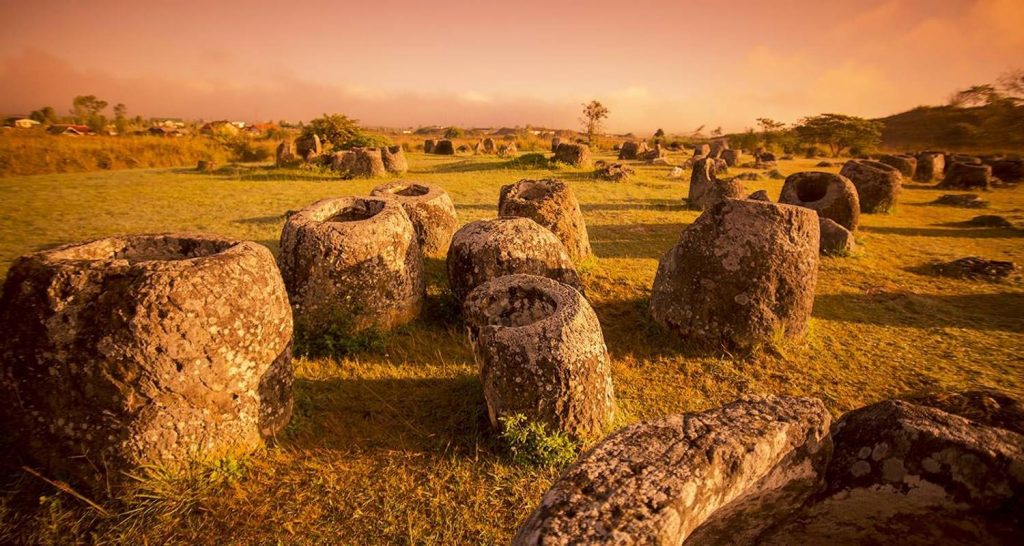
Plain of Jars
Phonsavan
Pakbeng
Huay Xai

Central Laos

Vientiane

Southern Laos

Pakse
Champasak
4,000 islands
Bolaven Plateau

V/ Laos food

Local food in Luang Prabang
Local food in Vientiane
Local food in Plain of Jars
Local food in Champasak

Cambodia

ABOUT CAMBODIA

What to know?

Cambodia main facts

Where is Cambodia?

Cambodia is a South-East Asia countries bordering Laos in the North, Thailand in the North-West, Vietnam in the East and the South China Sea in the South.

Cambodia population

The population of Cambodia in 2022 is 17,15 millions; ranks 15th. The most populated city is Phnom Penh capital with 1,57 millions.

Cambodia currency

Main currency in the country is Riel
1 USD = 4,040 riel
1 GBP = 5,187 riel
1 CAD = 3,178 riel
1 AUD = 2,929 riel
1 SGD = 2,947 riel
1 RM = 935 riel

Cambodia Visa

Depending on each nationalities, you can have Cambodia visa upon arrival, pre-arranged visa, or no visa requirements.

I/ Cambodia history in brief

The most prominent facts about Cambodia history is that this country witnessed a prosperous existence of Angkor Empire; then became a French’s colony and the fight of Khmer Rouge for independent Cambodia.

II/ Cambodia Weather

Cambodia show a tropical climate weather which is hot all year around. There are 2 main seasons of dry season lasting from Mid November to April with more moderate temperature which also is the best time to visit Cambodia; and the rainy season lasting from May to October with heavy rains.

III/ Main religion in Cambodia

Theravada Buddhist: 95%
Christian: 1%

IV/ Where to visit in Cambodia

Northern Cambodia

Siem Reap
Tonle Sap Lake
Battambang
Stung Treng
Kratie
Banlung
Poipet
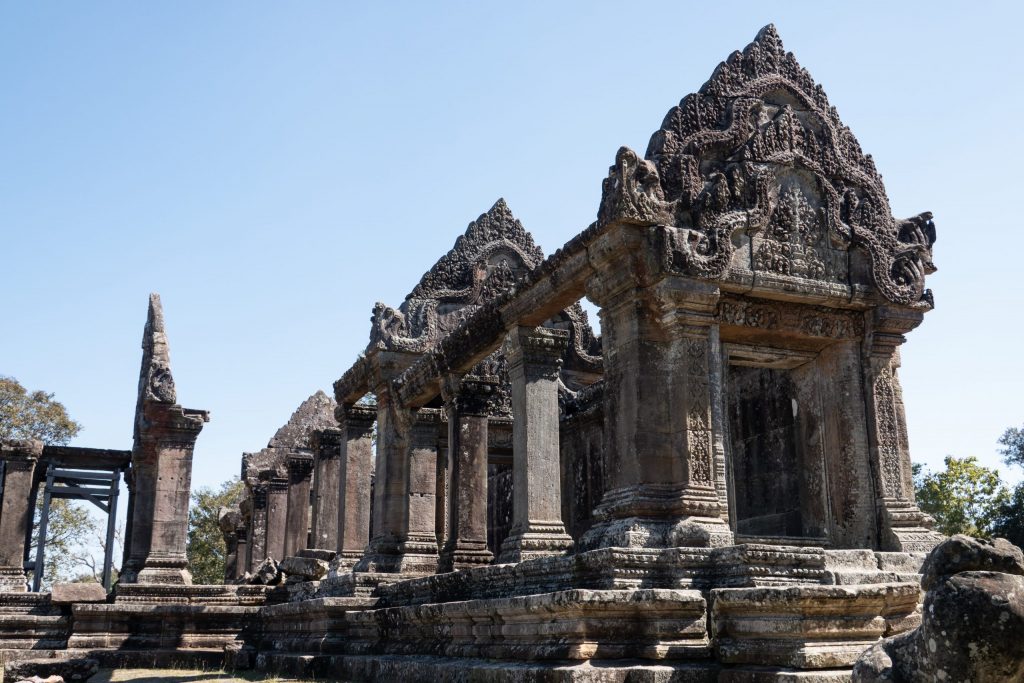
Preah Vihear

Central
Cambodia

Phnom Penh
Kampong Cham
Mondulkiri
Kratie

Southern Cambodia

Kampot
Kep
Sihanoukville
Koh Rong Island
Koh Rong Samloem
Kardamom Mountain
Koh Kong
Bokor National Park

V/ Cambodia food

Local food in Siem Reap
Local food in Phnom Penh
Local food in Battambang
Local food in Kep
Local food in Kampot
Local food in Sihanoukville