All posts by bichvan

JAPAN

Japan is an island nation in East Asia, known for its rich history, cutting-edge technology, and unique blend of tradition and modernity. With a population of about 125 million, it’s one of the most developed and culturally distinct countries in the world.
Japan is made up of four main islands: Honshu, Hokkaido, Kyushu, and Shikoku. The capital city is Tokyo, which is on the island of Honshu.

Where is Japan?

Japan is an island country located in East Asia, in the northwest Pacific Ocean.

Japan population

The population of Japan is around 123 million people. Urban areas like Tokyo, Osaka, and Yokohama are densely populated, while rural areas are experiencing depopulation.

Japan currency

The national currency in Japan is Japanese yen, symbolized as ¥ and abbreviated as JPY. There are many local restaurants in Japan accept only cash; therefore it’s highly recommended to prepare JPY to travel around Japan.

Below is an exchange from other currencies into Yen:

A Dollar (USD) ~ ¥144.57

A Canadian Dollar (CAD) ~      ¥108.86

A Singapore Dollar (SGD)        ~          ¥108.86

A British Pound (GBP) ~ ¥180.00

A Euro (EUR)   ~  ¥155.00

Most of passports are required visa to visit Japan.

Japanese history is a compelling narrative of resilience, reinvention, and cultural preservation. Across an archipelago shaped by volcanic forces and vast oceans, a civilization emerged that mastered the delicate art of balancing tradition with radical transformation. From the misty origins of the Jomon pottery makers and the refined, poetic elegance of the Heian imperial court, Japan forged an identity rooted in reverence for nature, craftsmanship, and harmony.

When feudal warfare fractured the land, the samurai code of honor and discipline ushered in centuries of Edo-period peace, allowing art, literature, and philosophy to flourish in isolation. Yet, when global tides shifted, Japan stunned the world with the Meiji Restoration rapidly modernizing while fiercely guarding its soul. Having risen from the ashes of modern devastation to become a global beacon of innovation, Japanese history stands as enduring proof that a society can embrace the future without ever forgetting where it began.

Japan offers four distinct, vibrant seasons, though weather varies dramatically across its long island chain.

Spring brings crisp mornings, mild days, and iconic cherry blossoms, making it an ideal time for walking tours, though autumn rivals it with comfortable temperatures and breathtaking foliage.

Summers are hot and humid across central Honshu, accompanied by a rainy season in June and potential typhoon disruptions in August and September.

Winters are exceptionally clear and dry on the Pacific side, offering crisp views of Mount Fuji, while the northern regions and Sea of Japan coast transform into world-class snow country.

Because Japanese cities involve immense amounts of walking and frequent transitions between heated or air-conditioned transit and the elements, travelers should prioritize versatile layers, comfortable footwear, and compact rain gear. Checking regional variations ensures you pack right for everything from alpine cold to subtropical warmth.

Japan’s spiritual landscape is defined by a harmonious blend of Shinto and Buddhism, creating a culture where traditions coexist seamlessly rather than compete. Shinto, Japan’s indigenous belief system, centers on reverence for kami—sacred spirits inhabiting nature, ancestors, and landmarks. Marked by vermilion torii gates and purification rituals, Shinto celebrates life, seasonal milestones, and community festivals.

Arriving from mainland Asia in the sixth century, Buddhism introduced philosophies of mindfulness, impermanence, and spiritual liberation, profoundly shaping Japanese art, tea culture, and architecture. Today, most Japanese people practice both syncretically, often saying they are “born Shinto and die Buddhist”—visiting shrines for weddings and New Year blessings, while turning to Buddhist temples for funerals and ancestral remembrance.

While Christianity, Confucianism, and secular philosophies also influence modern ethics and celebrations, understanding this quiet interplay between shrine and temple offers travelers deep insight into Japan’s daily rhythms and reverence for the natural world.

This country’s rich culture makes it a special country in the world that you should visit once. Japan is famous for cherry blossom, onsen, iconic Mount Fuji, sumo wrestling, and cat cafes. Here are main destinations to see when traveling to Japan:

Tokyo

Tokyo is an exhilarating metropolis where centuries-old traditions collide effortlessly with hyper-modern innovation. As the world’s most populous urban area, it unfolds not as a single city center, but as a patchwork of distinct neighborhoods, each with its own pulse.

In Asakusa and Yanaka, wooden temples, lantern-lit alleys, and artisan shops preserve the warm spirit of old Edo, while just minutes away, the neon-drenched canyons of Shinjuku and Shibuya buzz with futuristic architecture and relentless energy.

Between the high-fashion boulevards of Ginza and the tranquil forested paths of Meiji Shrine, Tokyo rewards curiosity at every turn. Beyond its visual spectacle, the city is a global culinary capital, boasting more Michelin-starred restaurants than anywhere else alongside humble, standing-room-only ramen counters and vibrant morning markets. Safe, remarkably punctual, and endlessly layered, Tokyo invites travelers to experience the cutting edge of contemporary culture without ever losing sight of Japan’s timeless soul.

Kyoto

Kyoto is the cultural and historical heart of Japan, an enchanting former imperial capital where timeless traditions remain woven into daily life. Surrounded by forested mountains, the city is home to over a thousand Buddhist temples and Shinto shrines, including iconic landmarks like the golden pavilion of Kinkaku-ji, the vermilion gates of Fushimi Inari, and the sweeping wooden terrace of Kiyomizu-dera.

Beyond its world-famous monuments, Kyoto reveals its quiet magic in the atmospheric stone alleys of Gion and Higashiyama, where wooden machiya townhouses, traditional tea houses, and glimpses of geiko evoke centuries past.

Renowned as the birthplace of classical arts—from the meditative tea ceremony and flower arrangement to delicate kaiseki multi-course cuisine—the city moves at a deeply contemplative pace. Framed by glowing cherry blossoms in spring and fiery maple leaves in autumn, Kyoto offers travelers an intimate, unforgettable window into Japan’s artistic soul and living heritage.

Osaka

Osaka is Japan’s vibrant kitchen and entertainment capital, celebrated for its infectious energy, warmth, and unpretentious charm. Historically known as the nation’s merchant hub, the city trades Kyoto’s quiet formality for bold humor, lively street culture, and a deep passion for food.

Nowhere is this spirit clearer than in Dotonbori, where dazzling neon billboards reflect off the canal above bustling alleys filled with sizzling street stalls. Guided by the local philosophy of kuidaore—to eat until you drop—travelers can savor beloved comfort classics like crispy takoyaki octopus balls, savory okonomiyaki pancakes, and golden kushikatsu skewers.

Beyond its culinary fame, Osaka anchors its rich heritage in the reconstructed grandeur of Osaka Castle, surrounded by sweeping parklands, while serving as a high-energy gateway to futuristic architecture and world-class theme parks. Friendly, expressive, and endlessly welcoming, Osaka offers an unforgettable taste of Japan’s joyful, down-to-earth soul.

Mount Fuji & Hakone

Rising above Japan’s landscape with serene symmetry, Mount Fuji is the nation’s most sacred peak and enduring cultural symbol. Just south of its snow-dusted cone lies Hakone, a lush, mountainous national park renowned for soothing hot springs, art museums, and dramatic volcanic scenery.

Offering a restorative escape from Tokyo’s fast pace, the region invites travelers to slow down and immerse themselves in nature. Visitors can cruise across the tranquil waters of Lake Ashi framed by the lakeside vermilion torii gate of Hakone Shrine, ride mountain cable cars and ropeways above the steaming sulfur vents of Owakudani, and unwind in traditional ryokan inns with mineral-rich onsen baths and multi-course kaiseki dinners.

Whether admiring Fuji’s crisp reflection on a clear winter morning or soaking beneath autumn maples, Mount Fuji and Hakone deliver Japan’s quintessential blend of natural majesty and quiet hospitality.

Nikko

Nestled in the misty mountains north of Tokyo, Nikko is a captivating sanctuary where lavish Edo-period architecture meets untamed alpine beauty. Serving as the final resting place of Tokugawa Ieyasu, founder of the shogunate that ruled Japan for over two centuries, the town is anchored by the UNESCO World Heritage Toshogu Shrine.

Unlike the minimalist restraint typical of much Japanese design, Toshogu dazzles with intricate wood carvings, vibrant lacquer, and gleaming gold leaf set beneath towering, centuries-old cedar groves.

Beyond its spiritual heritage, Nikko unfolds into the dramatic landscapes of Nikko National Park, where winding mountain roads lead to the mirror-like waters of Lake Chuzenji, the thunderous Kegon Waterfall, and steaming mineral hot springs in Yumoto Onsen. Vibrant with fiery maple leaves in autumn and tranquil under winter snow, Nikko offers travelers a deeply atmospheric retreat rich in both imperial history and natural wonder.

Nara

Located just south of Kyoto, Nara is the cradle of Japanese civilization, having served as the nation’s first permanent capital in the eighth century. Today, this serene, walkable city preserves some of Japan’s oldest and most monumental architectural treasures within a deeply tranquil atmosphere.

Its beating heart is expansive Nara Park, where over a thousand free-roaming sika deer—revered in Shinto tradition as sacred messengers of the gods—bow politely to visitors for rice crackers. Surrounding the park stand awe-inspiring UNESCO World Heritage sites, led by Todai-ji Temple, a massive wooden hall housing the Great Buddha, one of the world’s largest bronze statues.

Nearby, the lantern-lined forest paths of Kasuga Taisha Shrine and the preserved merchant streets of Naramachi offer quiet moments of discovery. Peaceful, historic, and effortlessly charming, Nara invites travelers to step back into the dawn of Japan’s artistic and spiritual heritage.

Kanazawa

Perched along the Sea of Japan coast, Kanazawa is a refined cultural gem often hailed as “Little Kyoto,” prized for preserving its Edo-period elegance without the overwhelming crowds. Spared from wartime destruction, the city invites travelers to wander through atmospheric historic quarters, from the lattice-fronted wooden teahouses of Higashi Chaya – where geisha traditions still thrive – to the earthen walls and narrow lanes of the Nagamachi Samurai District.

At Kanazawa’s heart lies Kenroku-en, celebrated as one of Japan’s three great landscape gardens, enchanting visitors year-round with seasonal blooms, sculpted pines, and winter snow-rope artistry. Renowned for traditional craftsmanship producing nearly all of Japan’s gold leaf alongside delicate lacquerware and Kutani porcelain, the city also embraces bold modernity at the 21st Century Museum of Contemporary Art.

Paired with fresh coastal seafood from lively Omicho Market, Kanazawa offers an intimate, unhurried journey into Japan’s living artistry.

Himeji

Beyond its iconic fortress, the wider Himeji region, situated in southwest Hyogo Prefecture along the Harima plain and the Seto Inland Sea, offers a rich tapestry of culture and nature. Immediately adjacent to the castle lies Kōko-en, an expansive Edo-period garden complex featuring nine walled traditional styles, tranquil ponds, and authentic teahouses.

Just a short bus and cable-car ride into the northern hills brings visitors to Mount Shosha, home to Engyō-ji, a sprawling, atmospheric 1,000-year-old temple complex nestled deep within dense cedar forests where historical films are frequently shot.

Further afield, the region stretches toward the historic castle town of Tatsuno, often called the “Little Kyoto of Harima” and the coastal hot spring refuge of Akō Onsen, where open-air baths overlook scenic sunsets across the Seto Inland Sea. Blending feudal architecture, sacred mountain sanctuaries, and quiet coastal retreats, the Himeji area rewards travelers who venture beyond a quick castle stop.

Takayama

Tucked deep within the forested peaks of the Japanese Alps, Takayama, often called Hida-Takayama, preserves the timeless charm of a secluded mountain merchant town. Because its remote elevation insulated it from outside influences for centuries, the city developed a distinct carpentry culture and remarkably intact Edo-period streetscape.

In the Sanmachi Suji historic district, dark timber-latticed merchant homes, centuries-old sake breweries marked by cedar-ball sugidama, and artisanal craft shops line narrow, canal-side lanes. Travelers can browse bustling morning markets along the Miyagawa River for local mountain produce and handcrafted sarubobo dolls, explore the open-air Hida Folk Village showcasing steep thatched-roof farmhouses, and savor world-renowned melt-in-your-mouth Hida beef.

Famous for its elaborate spring and autumn festivals featuring towering gilded floats, Takayama offers a deeply authentic, unhurried window into rural mountain heritage and traditional Japanese craftsmanship.

Kurashiki

A remarkably preserved canal district in Okayama Prefecture that transports visitors straight back to the Edo period. Once a bustling hub for rice distribution, the area is defined by its willow-lined waterways, graceful stone bridges, and striking whitewashed storehouses featuring traditional black-and-white geometric tile patterns.

Traditional flat-bottomed wooden boats rowed by local boatmen glide along the willow-shaded Kurashiki River, offering a serene perspective of historic merchant estates. The district also houses the renowned Ohara Museum of Art – Japan’s first museum of Western art, alongside numerous galleries showcasing local textiles and Bizen pottery.

Former merchant residences have been thoughtfully converted into artisan craft shops, atmospheric cafes, and boutique museums. Blending scenic waterways with rich artistic heritage, Kurashiki offers travelers an enchanting, unhurried glimpse into Japan’s preserved merchant past.

Japanese cuisine is a celebrated culinary tradition rooted in the philosophy of washoku, a UNESCO-recognized cultural heritage that honors the natural flavors, seasonal rhythms, and visual beauty of fresh ingredients.

Far beyond famous exports like sushi and sashimi, authentic Japanese cooking emphasizes balance, minimal processing, and deep umami derived from foundational elements like dashi broth, soy sauce, miso, and fermented rice wine. Every meal is an exercise in mindful composition, where dishes are meticulously arranged on handcrafted ceramics to reflect the passing seasons from spring cherry blossom motifs to rich, warming autumn broths.

When exploring the country’s diverse dining landscape, any list of must try food in Japan spans from high-end kaiseki multi-course banquets governed by centuries of imperial refinement to unpretentious comfort classics served in lively neighborhood spots. Travelers can experience the melt-in-your-mouth perfection of fresh sushi and sashimi, the comforting warmth of steaming ramen bowls filled with slow-simmered broths, and the sizzling allure of street-side yakitori skewers or crispy tempura.

Regional favorites like savory okonomiyaki pancakes in Osaka and marbled Wagyu beef elevate the culinary journey even further. Coastal geography ensures that seafood reigns supreme, celebrated both raw and grilled, while locally grown rice remains the sacred anchor of nearly every meal. Complementing this is a profound tea culture, anchored by the meditative art of matcha preparation and seasonal sweets (wagashi). Ultimately, Japanese food is much more than mere sustenance; it is a sensory journey that connects diners directly to the land, sea, and enduring artistic soul of Japan.
SINGAPORE

ABOUT SINGAPORE

Singapore is a vibrant and modern city-state located at the southern tip of the Malay Peninsula, just off the coast of Malaysia. It is known for its impressive skyline, efficient public transportation system, diverse cultural heritage, and reputation as a global financial hub. Despite its small geographical size, Singapore has emerged as one of the most prosperous and innovative nations in the world.

Singapore main facts

Where is Singapore?

Singapore is a small island city-state located at the southern tip of the Malay Peninsula in Southeast Asia. It lies just off the southern coast of Malaysia, separated by the Strait of Johor, and is about 137 kilometers (85 miles) north of the equator.

Singapore is positioned strategically at the crossroads of international shipping routes, making it one of the world’s busiest ports. The country comprises one main island and 63 smaller islands, some of which are used for recreational or industrial purposes. Despite its small size, Singapore is a global financial and trade hub with significant influence in the region.

Singapore Population

The island country Singapore’s population in 2025 is over 6mill people, predomient of which are Chinese, then Malay and Indian origins.

Singapore currency

The currency in Singapore is SGD or Singapore Dollar. Here is an exchange from other currencies into SGD:

US Dollar (USD): 1 USD ≈ 1.3186 SGD

British Pound (GBP): 1 GBP ≈ 1.7263 SGD

Euro (EUR): 1 EUR ≈ 1.1362 SGD

Australian Dollar (AUD): 1 AUD ≈ 1.5792 SGD

Places to visit in Singapore

Iconic Landmarks & Attractions

Marina Bay Sands

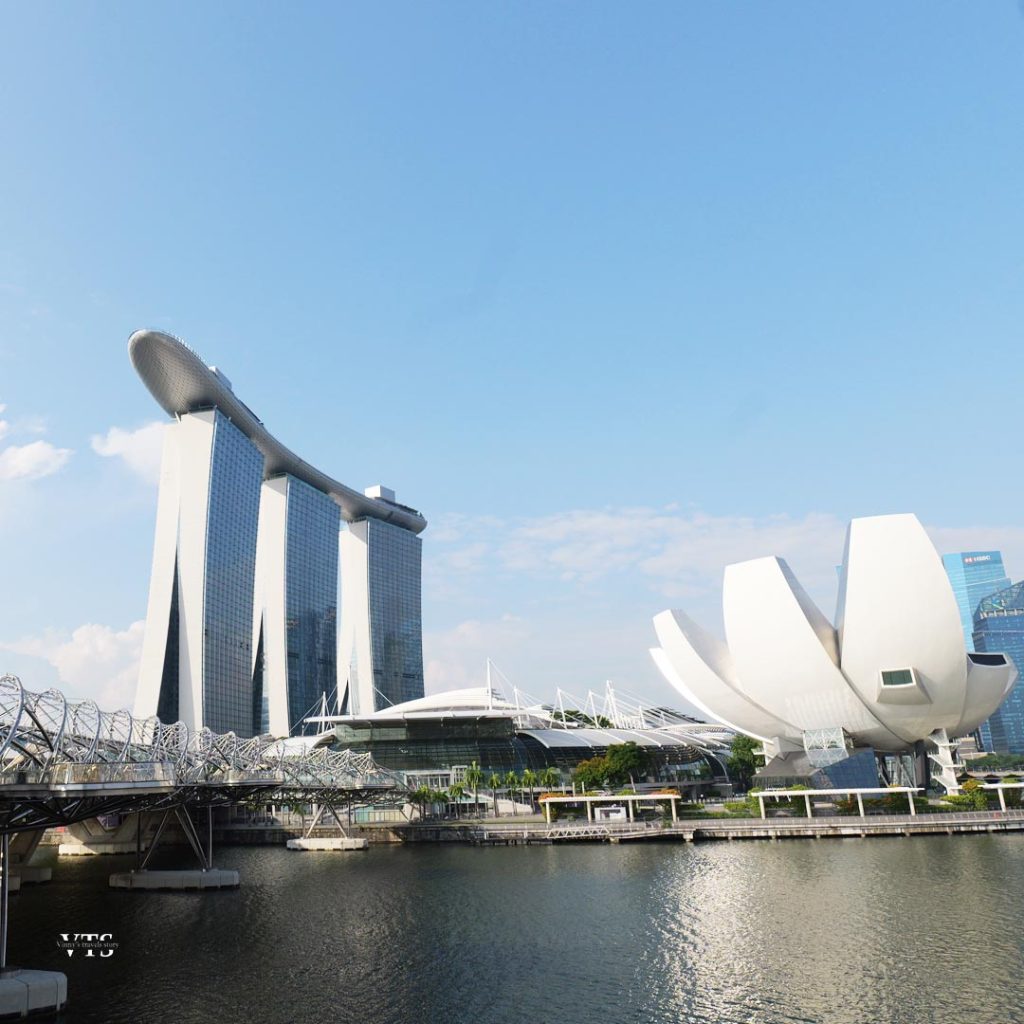
Marina Bay Sands is an iconic luxury integrated resort dominating the Singapore skyline, instantly recognizable by three soaring hotel towers crowned by the futuristic, ship-shaped Sands SkyPark.

Perched 57 stories above the waterfront, this architectural marvel features lush sky gardens, a panoramic observation deck, and the world-famous rooftop infinity pool overlooking the city and Marina Bay. Below, the sprawling complex houses The Shoppes – an upscale retail haven lined with luxury boutiques, indoor canals, and acclaimed celebrity chef restaurants, alongside the lotus-inspired ArtScience Museum, a state-of-the-art theater, and a glamorous casino.

Seamlessly connected to the futuristic Supertrees of Gardens by the Bay and vibrant evening light-and-water shows, Marina Bay Sands blends bold architectural ambition with world-class hospitality, offering travelers an unforgettable centerpiece to any Singapore itinerary.

Gardens by the Bay

Gardens by the Bay is a futuristic 101-hectare horticultural wonderland set along Singapore’s Marina Bay waterfront, seamlessly blending cutting-edge architecture with ecological sustainability. At its center rises the iconic Supertree Grove towering vertical gardens standing up to 50 meters tall that harvest solar energy, collect rainwater, and come alive each evening in a dazzling light-and-sound spectacle.

Just beyond, two monumental climate-controlled glass conservatories transport visitors across global ecosystems: the Flower Dome, the world’s largest glass greenhouse showcasing Mediterranean and semi-arid blooms, and the Cloud Forest, home to a misty tropical mountain and one of the world’s tallest indoor waterfalls.

Connected by elevated skyways and winding waterfront trails, Gardens by the Bay transforms urban nature into an immersive, awe-inspiring sanctuary at the heart of Singapore.

Merlion Park

Merlion Park is one of Singapore’s most iconic waterfront landmarks, home to the beloved mythical statue that has long served as the nation’s official mascot. Standing 8.6 meters tall and spouting a continuous arc of water into Marina Bay, the Merlion featuring the head of a lion and the body of a fish pays tribute to Singapore’s humble beginnings as a fishing village known as Temasek and its original Malay name, Singapura, meaning “Lion City.”

Positioned along a scenic promenade overlooking the bay, the park offers sweeping panoramic views of Marina Bay Sands, the Esplanade, and the gleaming financial district skyline. A smaller two-meter Merlion cub stands just behind the main sculpture, making the plaza a lively gathering spot day and night for travelers capturing classic postcard views of modern Singapore.

Singapore Flyer

Singapore Flyer Click to open side panel for more information is one of the world’s largest giant observation wheels, soaring 165 meters above the Marina Bay waterfront to offer breathtaking 360-degree panoramic views of Singapore’s glittering skyline.

Visitors board air-conditioned glass capsules that accommodate up to 28 people, providing a smooth, slow-revolving 30-minute flight across the city.

On clear days, the sweeping vantage point reveals iconic landmarks like Marina Bay Sands, Gardens by the Bay, and the Singapore River, stretching all the way out to parts of Malaysia and Indonesia.

Beyond standard sightseeing rotations, the attraction offers unique themed packages, including premium cocktail flights, in-flight dining options, and private capsule rentals.

Nature & Outdoor Spots

Sentosa Island

Sentosa Island is a vibrant resort destination situated just off Singapore’s southern coast, serving as the city’s premier tropical playground and escape. Once a British military fortress, the island has transformed into a sprawling leisure hub featuring pristine sandy beaches, world-class golf courses, luxury hotels, and high-energy entertainment. Visitors can explore thrilling attractions including Universal Studios Singapore, the S.E.A. Aquarium, and Skyline Luge, or unwind along the tranquil shores of Palawan, Siloso, and Tanjong beaches. Connected to the mainland by scenic cable cars, boardwalks, and monorail transit, Sentosa Island effortlessly blends natural coastal beauty with modern resort luxury, offering an exhilarating getaway for families, adventure seekers, and relaxation enthusiasts alike.

Singapore Botanic Gardens

The Singapore Botanic Gardens is a lush 82-hectare oasis and Singapore’s first UNESCO World Heritage Site, offering a tranquil escape right in the heart of the bustling city.

Established in 1859, the historic grounds showcase a magnificent blend of heritage trees, serene swan lakes, and world-class horticultural displays. At its heart lies the world-renowned National Orchid Garden, home to a stunning collection of over 1,000 species and 2,000 orchid hybrids.

Visitors can wander through the delicate ecosystem of a historic rainforest, a patch of ancient primeval woodland older than the gardens themselves, alongside specialized zones like the Evolution Garden and the Jacob Ballas Children’s Garden. Beyond its botanical treasures, expansive rolling lawns regularly host outdoor classical music concerts at the Symphony Stage, making this verdant sanctuary a beloved gathering space for nature lovers, fitness enthusiasts, and travelers alike.

MacRitchie Reservoir

MacRitchie Reservoir is Singapore’s oldest reservoir and a premier green sanctuary for nature lovers, hikers, and outdoor enthusiasts. Established in 1868, this scenic artificial lake is enveloped by sprawling secondary rainforests that form part of the island’s central catchment area, offering a tranquil wilderness escape just minutes from the bustling city center.

A major highlight is the famous Treetop Walk, a freestanding 250-meter aerial suspension bridge that connects the highest points of the forest, providing breathtaking canopy-level views of the surrounding treetops and native wildlife.

Miles of well-maintained boardwalks and shaded dirt paths loop around the water’s edge, frequently crossed by long-tailed macaques, monitor lizards, and diverse bird species. The park also serves as a popular hub for kayaking and canoeing on the calm reservoir waters, blending active outdoor recreation with immersive natural beauty.

East Coast Park

East Coast Park is Singapore’s largest and most popular coastal recreation area, stretching over 15 kilometers along the island’s southeastern shoreline.

Built on reclaimed land in the 1970s, this breezy beachfront park serves as a vibrant weekend playground where locals and visitors gather to enjoy outdoor sports, seaside relaxation, and local cuisine. Dedicated cycling and rollerblading tracks wind beneath shady casuarina and coconut trees, running parallel to sandy beaches ideal for sunbathing, picnicking, and water sports like windsurfing and wakeboarding.

Beyond active recreation, the park is renowned for its culinary scene, highlighted by the bustling East Coast Lagoon Food Village – a beloved open-air hawker center serving authentic local specialties such as satay, barbecued stingray, and sugarcane juice right beside the sea. Seamlessly blending coastal leisure, active pathways, and vibrant street food culture, East Coast Park captures the laid-back, sun-soaked spirit of Singapore’s seaside lifestyle.

Neighborhoods to Explore

Chinatown

Chinatown is a vibrant historic enclave in the heart of Singapore where centuries-old heritage meets contemporary urban energy. Established in the 1820s as the designated settlement for the city’s growing Chinese immigrant community, the district is renowned for its colorful rows of restored Peranakan shophouses, narrow bustling lanes, and red lantern-draped streets.

Visitors can explore iconic landmarks such as the ornate Buddha Tooth Relic Temple, which houses sacred Buddhist artifacts and a tranquil rooftop garden, alongside the historic Sri Mariamman Temple—Singapore’s oldest Hindu temple – reflecting the area’s remarkable multicultural harmony.

Beyond its architectural and spiritual treasures, Chinatown is a culinary and retail haven, featuring traditional medicinal halls, boutique souvenir shops, and the famous Chinatown Complex Food Centre, home to legendary Michelin-starred hawker stalls. Seamlessly blending living traditions, rich history, and dynamic street life, Chinatown offers an immersive cultural journey into Singapore’s multifaceted past.

Little India

Little India is one of Singapore’s most vibrant and sensory-rich historic districts, offering a kaleidoscope of color, aroma, and living cultural heritage. Originally settled in the 1840s as a hub for Indian immigrants and cattle traders, the neighborhood today buzzes with bustling street markets, fragrant spice shops, and rows of brightly painted heritage shophouses.

Visitors can marvel at the intricate, towering gopuram of the Sri Veeramakaliamman Temple, one of Singapore’s oldest Hindu shrines, or explore the vibrant murals and cultural exhibitions at the Indian Heritage Centre. Along Serangoon Road and Campbell Lane, traditional flower garland stalls, goldsmiths, and silk boutiques stand side by side with the iconic 24-hour Mustafa Centre.

Meanwhile, the lively Tekka Centre delights food lovers with authentic South and North Indian specialties, from crispy dosas to aromatic biryanis, making Little India an unforgettable immersion into Singapore’s dynamic multicultural tapestry.

Kampong Glam

Kampong Glam is Singapore’s historic Malay-Arab quarter, a captivating neighborhood where royal heritage blends seamlessly with bohemian contemporary culture. Once the seat of Malay royalty in the 19th century, the district centers around the magnificent Sultan Mosque, whose gleaming golden domes and vast prayer hall dominate the skyline along palm-lined Bussorah Street.

Surrounding the mosque, restored two-story shophouses house traditional textile merchants, artisanal perfume blenders, and authentic Middle Eastern and Malay eateries serving classics like nasi padang and murtabak. Just a short stroll away, narrow Haji Lane bursts with bold street art murals, independent fashion boutiques, and trendy cafes that come alive with live music after dark.

Visitors can also explore the Malay Heritage Centre, set within the former royal palace, to trace the community’s rich maritime roots. Balancing spiritual tradition, architectural beauty, and creative energy, Kampong Glam stands as one of Singapore’s most dynamic cultural enclaves.

Orchard Road

Orchard Road is Singapore’s premier shopping and lifestyle boulevard, a dazzling 2.5-kilometer tree-lined avenue pulsing with cosmopolitan energy. Once a quiet country lane bordered by nutmeg, pepper, and fruit orchards in the mid-19th century, the thoroughfare has transformed into an international retail powerhouse flanked by gleaming mega-malls, luxury flagship boutiques, and upscale hotels.

Visitors can explore architectural icons like ION Orchard, Ngee Ann City, and Paragon, offering everything from global haute couture and cutting-edge electronics to local designer labels. Beyond high-end retail therapy, the boulevard features tranquil green pockets like the nearby Istana Park, diverse culinary experiences ranging from Michelin-starred dining to basement food courts, and vibrant street performances.

Come December, the entire stretch transforms into a glittering wonderland during the annual Christmas light-up, cementing Orchard Road’s reputation as the dynamic commercial and entertainment heart of modern Singapore.

Museums & Culture

National Gallery Singapore

National Gallery Singapore is a premier visual arts institution housed within two restored national monuments—the former Supreme Court and City Hall in the heart of Singapore’s historic civic district. Spanning 64,000 square meters, the magnificent architectural complex seamlessly bridges colonial heritage with contemporary design through its soaring glass-and-metal canopy and grand neoclassical colonnades.

Inside, the museum holds the world’s largest public collection of modern art from Singapore and Southeast Asia, showcasing thousands of groundbreaking works spanning the 19th century to the present day.

Visitors can explore thoughtfully curated permanent galleries tracing regional art history alongside prestigious international touring exhibitions produced with leading global museums. Beyond its exhibition spaces, the complex features multidisciplinary learning centers, scenic rooftop sculpture gardens offering panoramic views of Marina Bay, and acclaimed dining venues, establishing the gallery as a vibrant cultural cornerstone of modern Singapore.

Asian Civilisations Museum

Asian Civilisations Museum is a premier cultural institution located along the historic Singapore River at Empress Place, dedicated to exploring the rich artistic heritage of Asia. Housed in a magnificent neoclassical building constructed in the 19th century as government offices, the museum serves as a vital bridge connecting Singapore’s multicultural population to the broader histories of the continent.

Its expertly curated galleries focus on the ancestral cultures of China, Southeast Asia, South Asia, and West Asia, showcasing exquisite trade porcelain, fine textiles, ancient sculptures, and intricate gold jewelry.

Visitors can explore fascinating maritime trade artifacts that highlight Singapore’s historic role as a global crossroads, alongside rotating contemporary art exhibitions and interactive displays. Offering deep insights into shared regional traditions and artistic craftsmanship, the museum provides a captivating journey through thousands of years of Asian history in a serene, riverside setting.

ArtScience Museum

ArtScience Museum is an iconic cultural landmark situated along the Marina Bay waterfront, instantly recognizable by its striking lotus-inspired architectural design.

Conceived as a symbol of welcome for Singapore, the building’s ten distinctive “fingers” house a dynamic series of galleries where the realms of art, science, culture, and technology intersect. Permanent and touring exhibitions showcase cutting-edge digital installations, immersive interactive environments, and thought-provoking scientific displays that invite visitors of all ages to engage deeply with the future of human creativity.

From groundbreaking explorations of virtual reality and artificial intelligence to historical artifacts from global institutions, the museum consistently challenges conventional boundaries. Surrounded by the tranquil waters of Marina Bay and connected directly to The Shoppes at Marina Bay Sands, this visionary cultural hub offers an inspiring and deeply immersive experience for curious minds and travelers seeking innovation.

Night Activities

Clarke Quay

Clarke Quay is Singapore’s premier riverside entertainment and nightlife destination, stretching gracefully along the historic waters of the Singapore River. Originally a bustling 19th-century commercial hub packed with godowns and trading boats, the revitalized district has transformed into a vibrant pedestrianized lifestyle precinct protected by striking, state-of-the-art translucent canopy covers.

Rows of colorfully restored shophouses now house an eclectic array of bustling bars, live music venues, trendy clubs, and world-class restaurants serving everything from modern fusion cuisine to traditional local seafood. Visitors can embark on scenic bumboat cruises directly from the riverbanks or stroll along the picturesque promenades to soak in the lively atmosphere as the waterfront illuminates at night.

Blending rich maritime heritage with high-energy modern leisure, Clarke Quay offers an unforgettable social hub where dining, entertainment, and riverside charm converge in the heart of the city.

Night Safari

Night Safari is the world’s first nocturnal wildlife park and one of Singapore’s most iconic evening attractions, welcoming curious visitors since 1994.

Nestled within the dense, secondary rainforests of the Mandai wildlife district, the park offers a groundbreaking opportunity to observe over 900 animals representing more than 100 species in their natural nighttime behaviors. Guests can embark on a popular open-air tram expedition that journeys across seven distinct geographic zones—ranging from the rugged Himalayan foothills to the lush Southeast Asian rainforest providing safe, close-up views of free-roaming creatures under subtle, moonlight-simulating illumination.

For a deeper exploration, four interconnected walking trails allow visitors to venture off the main tracks on foot to encounter elusive predators and hidden forest dwellers. Enhanced by dynamic live entertainment and traditional tribal performances, the park delivers an unforgettable nocturnal adventure.

Spectra Light & Water Show

Spectra – A Light and Water Show is a free nightly outdoor spectacle staged along the scenic Event Plaza at Marina Bay Sands, captivating spectators with a stunning symphony of water, light, and sound.

Set against the glittering backdrop of Singapore’s iconic downtown skyline, the fifteen-minute performance utilizes advanced fountain technology, synchronized laser projections, and mist effects to narrate the vibrant cultural evolution of the city.

Water jet fountains dance in precise rhythm with an original orchestral soundtrack composed by local and international artists. The best vantage points for viewing this dazzling display are along the waterfront promenade outside The Shoppes at Marina Bay Sands or across the bay near Merlion Park.

Running nightly with multiple evening time slots, this breathtaking open-air production offers visitors an unforgettable and accessible way to experience Singapore’s illuminated urban landscape after sunset.

CHINA

ABOUT CHINA

China, with its rich tapestry of ancient traditions, futuristic cities, natural wonders, and diverse cultures, is more than just a destination—it’s an experience. Whether you’re wandering through the Great Wall, feasting on xiao long bao in Shanghai, or discovering the mystical landscapes of Zhangjiajie, China offers an adventure for every kind of traveler.

China main facts

Where is China?

China is located in East Asia and is the third-largest country in the world by area, after Russia and Canada. It shares borders with 14 countries, including India, Russia, Mongolia, and Vietnam, making it one of the most geographically connected nations. To the east, it faces the Pacific Ocean, with major coastal cities like Shanghai and Hong Kong. China’s vast territory stretches from the Himalayas in the southwest to the Gobi Desert in the north and from the tropical forests of Yunnan in the south to the bustling metropolises of the eastern seaboard. Its diverse geography and strategic location have played a crucial role in shaping its rich history and cultural influence across Asia.

China Population

China is the most populous country in the world, with a population of over 1.4 billion people. This massive population is spread across 23 provinces, five autonomous regions, four direct-controlled municipalities, and two Special Administrative Regions—Hong Kong and Macau. While major cities like Beijing, Shanghai, and Guangzhou are densely populated urban centers, a significant portion of the population still lives in rural areas. China’s demographic landscape is shaped by decades of rapid urbanization, economic development, and social policies such as the former one-child policy, which was replaced by a two-child policy in 2016 and later a three-child policy in 2021 to address aging population concerns. The population’s diversity is also notable, with 56 recognized ethnic groups, the largest being the Han Chinese, who make up over 90% of the population.

China currency

China’s official currency is the Renminbi (RMB), which literally means “People’s Currency.” The most commonly used unit of the Renminbi is the Yuan (¥). You’ll often see it abbreviated as CNY (Chinese Yuan) in international financial contexts, or as RMB domestically.

As of April, 2025, here are the approximate exchange rates for converting major currencies into Chinese Yuan (CNY):​

US Dollar (USD): 1 USD ≈ 7.24 CNY​

British Pound (GBP): 1 GBP ≈ 9.38 CNY​

Euro (EUR): 1 EUR ≈ 7.86 CNY​

Australian Dollar (AUD): 1 AUD ≈ 4.55 CNY​

Singapore Dollar (SGD): 1 SGD ≈ 5.42 CNY

China Visa

Traveling to China typically requires a visa for most foreign visitors, and the type of visa you need depends on the purpose of your visit—whether it’s for tourism, business, study, or work. The most common option for tourists is the L Visa, which usually allows for stays of 30 days.

To apply, you’ll need a valid passport, a completed application form, a recent passport-sized photo, and documents such as a flight itinerary and hotel reservations or an invitation letter from a Chinese host. Applications can be submitted through Chinese embassies, consulates, or authorized visa centers in your country. It’s recommended to apply at least one month before your travel date.

Note that visa policies can change, so it’s always best to check the official website of the Chinese embassy or consulate in your country for the latest requirements and updates.

I/ China history in brief

China has one of the world’s oldest and most continuous civilizations, with a history spanning over 5,000 years.

It began with the legendary Xia Dynasty, followed by the Shang and Zhou dynasties, which laid the foundations of Chinese culture, philosophy, and governance.

The Qin Dynasty (221–206 BCE) unified China under the first emperor, Qin Shi Huang, and began construction of the Great Wall.

The Han Dynasty established a golden age of innovation, trade (including the Silk Road), and Confucian values.

Over centuries, powerful dynasties like the Tang, Song, Yuan (Mongol), Ming, and Qing rose and fell, shaping China’s rich cultural legacy.

After the fall of the Qing in 1911, China underwent periods of war, revolution, and reform, eventually founding the People’s Republic of China in 1949 under communist leadership. Today, it stands as a global power with a complex history that continues to influence its modern identity.

II/ China Weather

Wondering when is the best season to visit China? Here is a glance of China weather to refer before making your trip there:

China’s climate is incredibly diverse due to its vast size and varied topography. It ranges from tropical in the south to subarctic in the north, with four distinct seasons: spring, summer, autumn, and winter.

  • Northern China (e.g., Beijing, Inner Mongolia): Winters are cold and dry, with temperatures often dropping below freezing, while summers can be hot and humid. Snow is common in winter.
  • Southern China (e.g., Guangzhou, Hong Kong): The climate is subtropical, with mild winters and hot, humid summers. This region experiences heavy rainfall during the monsoon season (June–August).
  • Western China (e.g., Xinjiang, Tibet): These areas have a more arid, high-altitude climate. The Tibetan Plateau has very cold winters and cool summers, while Xinjiang is a desert region with hot summers and cold winters.
  • Central and Eastern China (e.g., Shanghai, Chengdu): These regions experience a mix of humid subtropical and temperate climates, with hot, humid summers and cold, dry winters. Rainfall is more frequent in the summer months.

Overall, the best times to visit China are during spring (April–May) and autumn (September–October) when the weather is mild and pleasant.

III/ Main religion in China
China is a religiously diverse country, but the main religious practices are rooted in Buddhism, Taoism, and Confucianism, with a significant number of people also following folk religions or identifying as non-religious.

IV/ Where to visit in China

China is an enormous country that you might not see every part of China within a trip. Despite there are majestic and stuninng off-the-beaten destinations in China, here are the most outstanding and must-see of China for you to visit, especially for the first time to China.

Top Destinations

Beijing

Shanghai

Xi’an

Chengdu

Guilin & Yangshuo

Zhangjiajie

Chinese food to try

Peking Duck (Beijing)

Xiao Long Bao (Soup dumplings in Shanghai)

Mapo Tofu (Spicy and numbing Sichuan dish)

Lanzhou Noodles (Hand-pulled and hearty)

Dim Sum (Southern China, especially Guangdong and Hong Kong)

Zhangjiajie National Park travel guide

Journey to the Real-Life Avatar Mountains

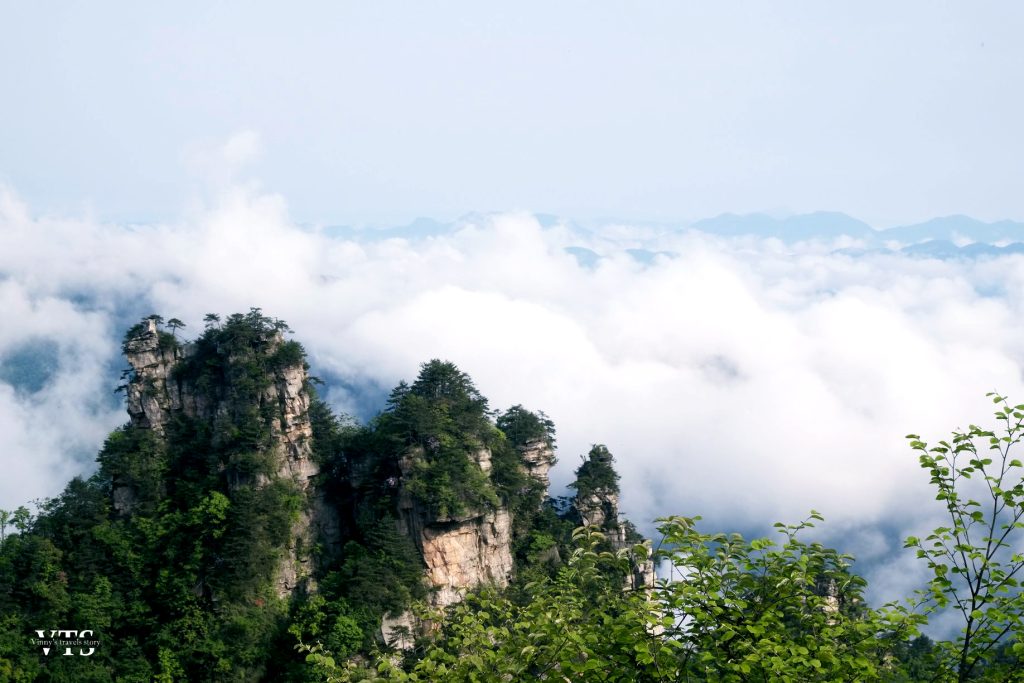
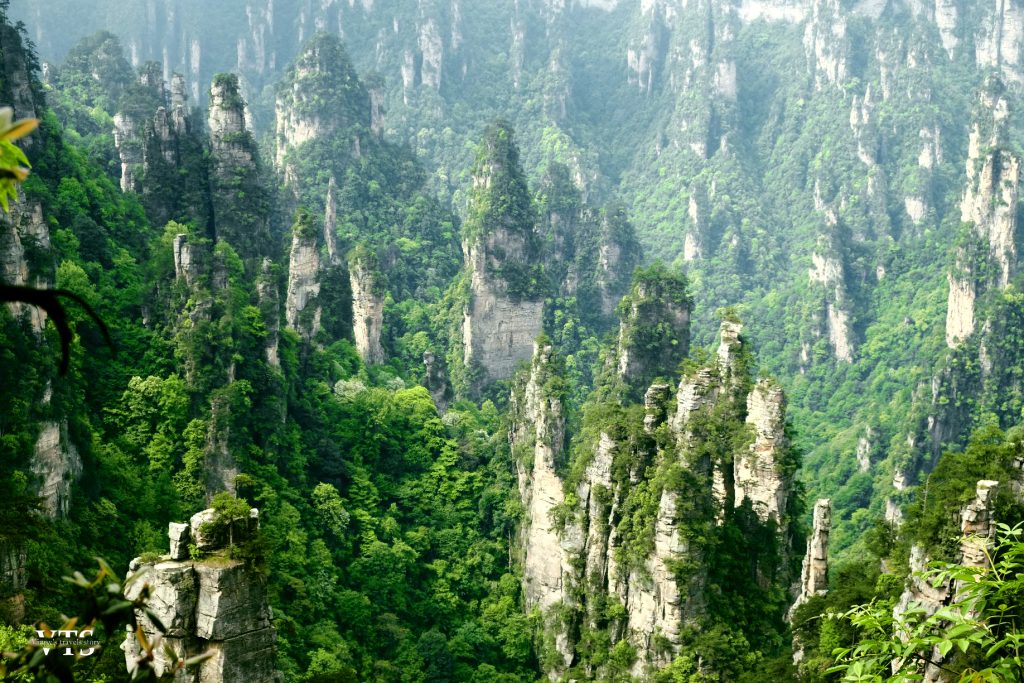
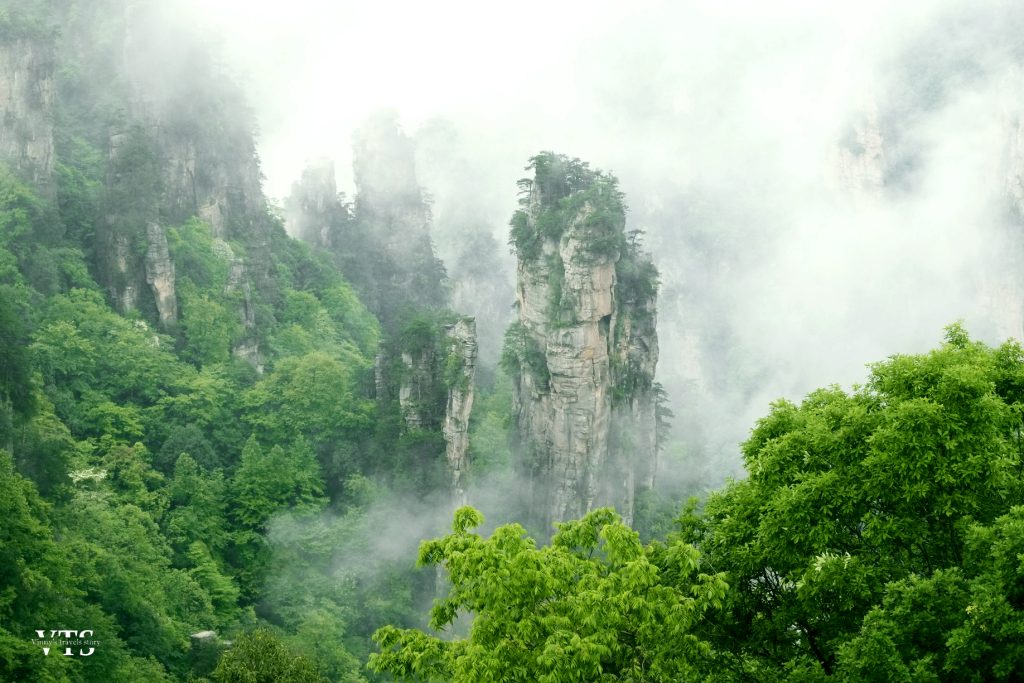
If you’ve ever dreamed of stepping into the floating mountains of Pandora from Avatar, you might be surprised to learn they exist right here on Earth — in Zhangjiajie National Forest Park, China. Located in the heart of Hunan Province, this surreal landscape is a feast for the senses, with its towering sandstone pillars, misty forests, and winding valleys.

Whether you’re an avid hiker, a casual explorer, or a photographer chasing epic views, Zhangjiajie offers a magical escape into nature’s most otherworldly terrain. Here’s your ultimate travel guide to make the most out of your Zhangjiajie adventure.

zhangjiajie-national-park-china

Where is Zhangjiajie National Park?

Zhangjiajie National Forest Park is part of the Wulingyuan Scenic Area, a UNESCO World Heritage Site. It’s in northwestern Hunan Province and is best accessed via Zhangjiajie City, which has both an airport and train station.

The Best Time to Visit Zhangjiajie Nationak Park

Spring (April–May) with pleasant wheather, is an ideal season for a trek on the Zhangjiajie National Park. It’s also the blooming seasons of the forest.

Autumn (September–October) offers stunning colorful foliage and clearblue skies.

Avoid: Chinese national holidays when domestic travelers traveling a lot. It’s takes more time for queuing and waiting to buy tickets, walk through narrow places, etc.


must-see-atractions-on-zhangjiajie-national-park

Top Must-See Attractions

Yuanjiajie Scenic Area

This area includes an iconic image of “floating island” in the Avatar that makes it named the “Avatar Hallelujah Mountains”. To reach this scenic area, you will take the Bailong Elevator — the world’s tallest outdoor lift — up 326 meters to panoramic views that seem pulled straight from a fantasy movie.

Tianzi Mountain

Nicknamed the “Monarch of the Peak Forest”, Tianzi Mountain offers jaw-dropping sunrise vistas and misty, cloud-covered mountain scenes perfect for photography.

Golden Whip Stream

Golden Whip stream is a peaceful, easy hike along a crystal-clear stream flanked by towering cliffs and lush greenery.

Yangjiajie Scenic Area

Looking for a less touristy route? You can visit Yanjiajie scenic area on this Zhangjiajie National Park. It offers rugged trails and quieter views. Ideal for adventurous hikers. The ones take only a day trip to Zhangjiajie National Park might not have enough time to cover this unique route.

Huangshi Village

By hiking or via a scenic cable car ride, you can reach Huangshi Village. This village offers some of the most accessible panoramic views of the national park.

A word of advice: see the map of this national park before deciding on which places you want to see. it’s a huge area that seeing a map in advance surely help you save a lot of time to navigate as well as avoid missing any highlighted scenic areas.

zhangjiajie-nationa-park-travel-blog

Getting There and Getting Around

To visit this national park, travelers can fly to or take local train to reach Zhangjiajie City where you can use local buses or taxi to reach the entrances either of the Zhangjiajie National Forest Park Gate or the Wulingyuan Gate.

From there, there are shuttles bus which are already included in park tickets to transfer visitors between areas. There are many scheduled buses. Hence, it’s pretty convenient.

Entrance Fees & Tickets

  • Cost: ~225 RMB (about $30 USD), valid for 4 consecutive days
  • Includes: Unlimited park entry + shuttle bus usage
  • Extras: Bailong Elevator, cable cars, and scenic elevators have separate fees (50–72 RMB per ride)

Where to Stay

Wulingyuan Town

  • Closest to the West Gate; best location for daily park access
  • Range of accommodations from budget hostels to boutique hotels

Zhangjiajie City

  • Good if you’re planning to explore Tianmen Mountain or Grand Canyon Glass Bridge

Genting Highland – Malaysia

Genting Highlands is a mountain resort located in the state of Pahang, Malaysia, approximately 55 kilometers northeast of the capital city of Kuala Lumpur.

Genting Highlands is a mountain resort and entertainment destination located in Malaysia, featuring a variety of attractions including theme parks, casinos, shopping malls, hotels, and restaurants. It is situated on the peak of Mount Ulu Kali, approximately 1,800 meters above sea level, and is a popular tourist destination for both locals and international visitors.

Siem Reap Travel Guidance

siem-reap-travel-guide

Siem Reap is an incredible travel destination of Cambodia that attracting millions of visitors. To enjoy the best of Siem Reap, let’s catch up with our Siem Reap Travel Guidance to make a perfect plan trip.

I. Siem Reap introduction

Literally mean Sieamese defeated, the name of Siem Reap refers to the victory of the Khmer Empire in the war against Thai Empire in the 17th century.

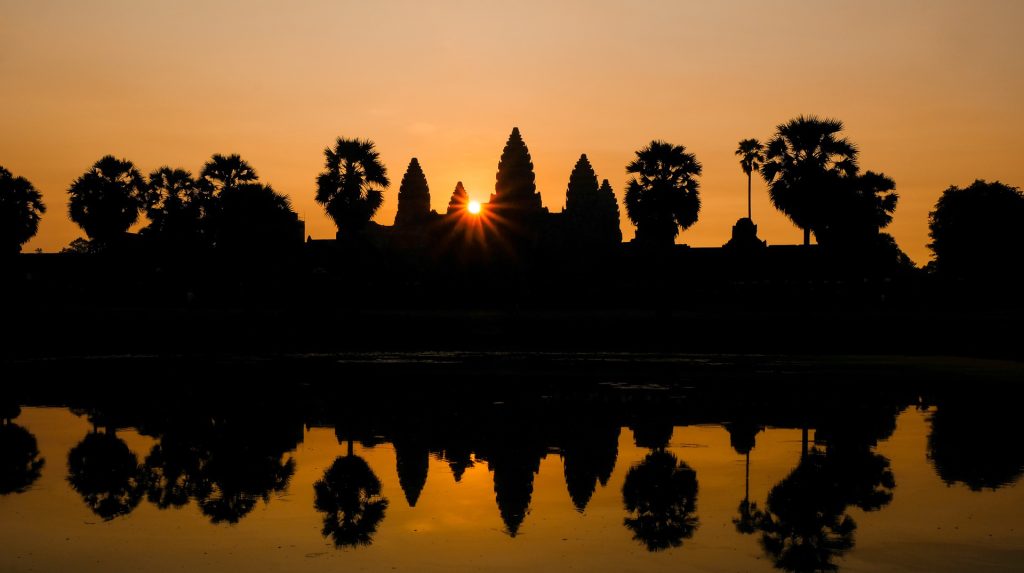
Located in the Northwest of Cambodia, Siem Reap is globally known as the main access to Angkor Wat, the majestic ruins from the Angkor kingdom. Hence, this is a must-visit destinations for tourists traveling to Cambodia.  Nevertheless, this is not the sole thing that charms visitors to Siem Reap. Other than Angkor Wat, travelers have lots of things to see and do in the town. For instance, thriving local businesses, with mixed Chinese and French architectural styles, which make it a modern but ancient city. Regarding the surroundings , there is an enormous Tonle Sap Lake and its floating villages.  Refer our Siem Reap Travel guidance to know well about this evoking city.

II. How to get there?

Since Siem Reap is the main and number one tourist destination in Cambodia, every trip to Cambodia should start from this city and the best means of transportation is, of course, by air. There are numerous airlines that operate flight to Siem Reap. If you are from far away country that do not have direct flight to Siem Reap, you can choose to flight to nearby destinations and then book another short flight to the city.

Cambodia National Airway is the national airline and offers the most international flight routes from Siem Reap to surrounding destinations and vice versa. Thai Airways and Bangkok Airways provide flights from Bangkok, while Vietnam Airlines offers more options with flights from Hanoi, Ho Chi Minh City, Da Nang and Phu Quoc to Siem Reap.  For budget travelers, you can choose between Air Asia with daily flights from Kuala Lumpur and Bangkok to Siem Reap; Jetstar with flights from Singapore and Cebu Pacific from Manila (Philippines) are other great options. Direct flights from Pakse, Hongkong, Taipei and long-haul flights from Doha and Tokyo are also available. In case you are not starting your trip from Siem Reap but from Phnom Penh, it would take around 8 hours to travel from Phnom Penh to Siem Reap by bus, or by boat with longer travel time. As there are bunches of choices for getting to Siem Reap, you can combine visiting Siem Reap and nearby countries for Vietnam and Cambodia travel package or an Indochina travel plan adding Laos and Vietnam to your Siem Reap trip.

III. Things to do in Siem Reap

1. Angkor Wat

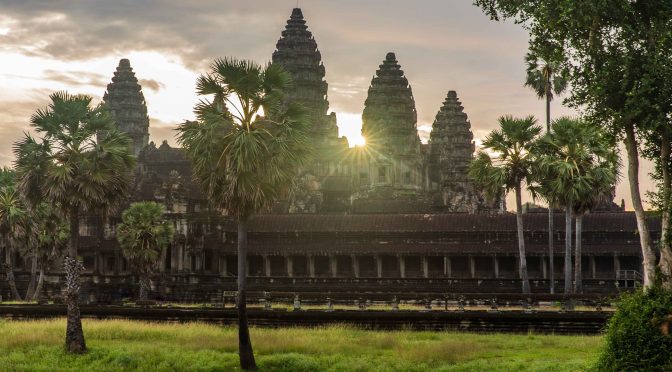
We believe that any Siem Reap travel guidance will suggest Angkor Wat as a must see of Siem Reap. About 5.5 km to the north of Siem Reap center, the enormous Angkor complex stretching over 400 km2, consist of Angkor Wat, Angkor Thom and numerous other temples dated from the ancient Khmer Kingdom. Among them, Angkor Wat is the largest and most famous, with a total area of 162.6 hectares. Angkor Wat, which was built in the early 12th century, has been seen as one of the largest monument ever built and recogized as one of the seven wonder of the world by UNESCO. This temple is believed to have been constructed by King Suryavarman II. Its purpose was to serving as a temple to worship Vishnu as well as his own mausoleum. But it was not completed until King Jayavarman VII.  Built in the peak of Khmer Empire, the architecture of Angkor Wat is the typical Khmer architecture and symbolized the Meru Mountain – the origin of Hinduism Gods Vishnu. Indeed, it includes a central tower surrounded by 4 other smaller towers, representing Mount Meru and its peaks and the whole templer is covered by a large moat. 

History of Angkor Wat

Initially, Angkor Wat was built as a Hinduism temple, the main religion of Khmer Kingdom at that time. Nevertheless, the kings of Khmer have different preference of religions. Thus, eventually in late 12th century, Angkor Wat became a Buddism temple until present. Angkor Wat was the capital and religious center of the Khmer Kingdom since it was built until being attacked by Champa. Later on, King Jayavarman VII revived the kingdom but then move the capital to the north, which is now popularly known as Angkor Thom, and built another temple called Bayon.

2. Angkor Thom

About 1.7 km to the north of Angkor Wat, Angkor Thom was the last capital of Khmer Kingdom. King Jayavarman VII ordered its construction in the late 12th century. Angkor Thom covering a total area of 9km2 with Bayon temple located at the center. Bayon temple features plenty of massive stone faces on numerous towers jutting out from the upper terrace. This temple is “the most striking expression of the baroque style” of Khmer architecture, on the contrary to the Angkor Wat’s classical style. Each tower has four faces, and the faces are the face of the king, but some people believe that are the faces of Avalokitesvara

The most remarkable things in Angkor Thom is that all the constructions was built using laterite, from the four-faced tower, the walls, or even Naga statues.

3. Tonle Sap Lake

Situating around 15 km to the south of Siem Reap, Tonle Sap is the largest fresh water lake in Southeast Asia, circled by 5 provinces and connects with Mekong River. This is not only an important commercial resource of Cambodia, which provide 90 percent of fish consumed for the whole country, but also a great destination for travelers. With diverse ecosystem, distinctive local life at the edge of the lake and unque floating villages as well as water stilt houses, Tonle Sap is definitely an ideal place for those who want to immerse deeply in the local culture. The only way to explore the lake is by boat. Sitting on the boat, you will go through floating villages, towering stilt houses and other outstanding constructions in different styles, including Khmer, Vietnamese or even Muslim. All activities of local people take place on the lake, from the households, markets, fisheries to hospitals, schools or sports.

4. Apsara Dance

Apsara is the traditional dancing, which only performed to the Kings and Royal family in the past. According to the legend, Apsara is the dance performed by fairies for Hinduism Gods. Recognized by UNESCO as an intangible cultural heritage, it would be a mistake if you skip this outstanding show. Visitors can easily find the places where offer Apsara Dancing around Siem Reap, furthermore, there are numerous restaurants performing Apsara during dinner.

5. Angkor National Museum

Opened in November 2007, Angkor National Museum is archeological museum. It preserves and presents thousands of Angkorian artifacts from 9th to 14th century. The museum is also ideal for visitors who seek to learn about art and culture of Khmer civilization. There is a bundle of information and collections. The museum consists of a Briefing Hall and  8 galleries, all connected by corridors, each of them displays different collection discovered mostly from the Angkor Complex and nearby:

1: 1,000 Buddha statues

2: Pre-Angkor Khmer Civilization

3: Religions and Beliefs

4: The Great Khmer Kings

5: Angkor Wat

6: Angkor Thom

7: Story from Stones

8: Ancient Costumes

6. Kbal Spean

 Kbal Spean is an ancient archeological site dated since Angkor era. The place is in the northeast of the Angkor Complex in Siem Reap. In fact, this is a small part of Stung Kbal Spean River, but what make this site special is actually hidden underneath the water. On the riverbed, there are thousands of neatly arranged sandstones with carvings of lingas on the surface. That is also the reason why this place is so-called “The River of Thousands Lingas”.

7. Banteay Srei Temple

The next thing that Siem Reap travel guidance wish to mention in Banteay Srei Temple. The begin of this temple was from the 10th century. The purpose was to worship Shiva, a Hinduism God. The temple is renowned for its intricate carvings on hard red sandstones (known as quartz arenite) on its walls. The carvings represent kala, the god of time and death. Nevertheless, Banteay Srei is not the original name of the temple, as people believe that the recent name is due to the carvings on the walls made by devatas. Literally, Banteay Srei means the citadel of women, or the citadel of beauty, related to numerous women statues and carvings all around the temple. Being the only temple at Angkor was not build by a mornach, Banteay Srei is a “jewl in Khmer art” that visitor cannot miss.

8. Fish Massage

Traditional massage is a popular service when you visit any country in Southeast Asia. Howerver, when travel to Siem Reap, tourists will have a chance to experience another unique type of massage that cannot be seen nowhere else – fish pedicure massage. Walking around the Old Town, travelers may see lots of stores with fish tanks, but do not sell any fish at all. These small aquariums full of small fishes, attached by cozy chairs are the perfect treatment for your feet after a long day wandering around. Just immerse your feet in the water, the fishes will nibble away all dead skin from your feet and toes.

9. Take a tuk tuk ride

Tuk tuk is a most common transportation in Cambodia and has become the symbol of this country. Tuk tuk looks like a carriage, with a cabin pulling by a mortobike engine, each can carry 4 people. You can easily find a tuk tuk in every corner in Siem Reap. The tuktuk drivers are always ready to ride you to anywhere you want.  This is the most authentic way to experience around the city. And the price is much cheaper than taxis.

IV. Where to eat in Siem Reap?

a. Restaurant:

As the city of booming tourism, there is no lack of restaurants in Siem Reap. Siem Reap offers an outstanding variety of restaurants. If you are seeking for fine dining experience, Shinta Mani and Hotel Grand D’Angkor are the best choices. There are quite a few restaurants offer excellent cuisine in an elegant and refined atmosphere.

Options for moderately priced Cambodian and international restaurants are also various. Almost every restaurant serve Cambodian cuisine. If you would like to try some local experience, check out the Chinatown at the south end of Sivatha Boulevard or the local food stalls and cookshops next to the Old Market.

b. Apsara Dinner:

There are bunches of restaurants suggestions in Siem Reap travel guidance, of which can’t miss out the Apsara Dinner. Attending a traditional Apsara dance performance is a must when you are in Siem Rap. Several restaurants offer Apsara show during dinner, including Grand Hotel D’Angkor, Apsara Theater, Kulen II, Angkor Mondial, Chao Pra Ya, Tonle Mekong, and Tonle Sap. 

c. Bars, Pubs & After Dark:

Nightlife in Siem Reap is extremely colorful. The most popular place to enjoy the nightlife is Pub Street, the liveliest place in town for both locals, expats and tourists. Here you can find popular early evening pubs, bars and restaurants, where will get more and more crowded in the evening. Pub Street starts from the late afternoon and some places are available until late.

IV. Our advices:

1. Best time to visit Siem Reap

The best time to visit Siem Reap is in the dry season, from November to early April. The weather during this period is the most ideal. Indeed, tourists are most crowded in December and January. The fact that these are the coolest time of the year with the temperature only around 21oC.

2. How to get around in Siem Reap

Traveling to Siem Reap, you will have numerous options to getting around, though the main attraction can be easily reached by foot. The most popular one is tuk tuk, also a must try experience in Siem Reap with negotiable price, from $2 for short trip. Taxi is another option, most suitable when the weather is hot. Normally, taxis in Siem Reap do not have meter so you need to bargain before get on the car, and of course the price is more expensive than tuk tuk. Otherwise, renting a bike for $5 a day is not a bad idea.

3. Safety and security in Siem Reap

Siem Reap is quite a safe place for tourists and there are rarely violent attacks. Despite though you still need to be aware of petty thefts, especially in the Old Market area. In additon, there are several types of scam here, including fake police, taxi overcharge or intended wrong turns, etc. If you suspect anything, just get away from these people and you will be fine. Nevertheless, in overall, locals here are really nice and helpful so don’t be worry too much. And the most important thing it that, do not forget to purchase travel insurace to protect youself from every trouble.

4. Dos and don’ts

The last but not least to mention in our Siem Reap travel guidance is things you should and should not do:

– Don’t touch the head of any person, even the children.

– Don’t put your feet on the opposite seat

– Be careful when pointing your toes to Buddha images

– Always take of your shoes before entering homes or temples

– Don’t use your left hand to give something to someone

– It is rude if you point with your index finger, instead use your right palm with the gestures.

– Do not say something bad about Cambodia, the locals may understand and they would not be comfortable with this.

Hope above Siem Reap travel guidance has been helpful to you before planning your trip to Cambodia. Feel free to reach out if you have any further concern about Siem Reap.

Xian and Shanghai so memorable and illustrious

Before taking this trip to Xian and Shanghai, I had visited China once and found that trip was amazing. This second trip was very different and unexpectedly more than fantastic with Xi’an and Shanghai. All experiences and things that I did was so awesome and genuine.

Xi’an was a city of culture and history

Xian-china

About Xian

Xi’an, or Chang’an, might not be a popular city of China like the capital Beijing, prosperous city Shanghai, it’s definitely among the most impressive places of China.

Xi’an is among the oldest cities of China and played a significant role in China before AD 1000 in terms of economy and history. The Walled city of Chang’an was the Eastern Terminus of the famous Silk Road and the country capital under several dynasty including Qin Shi Huang.

Located in central China, Xi’an became the hub for highway and railway. It’s very convenient for traveling over Xi’an by both air and express train.

Xian-China

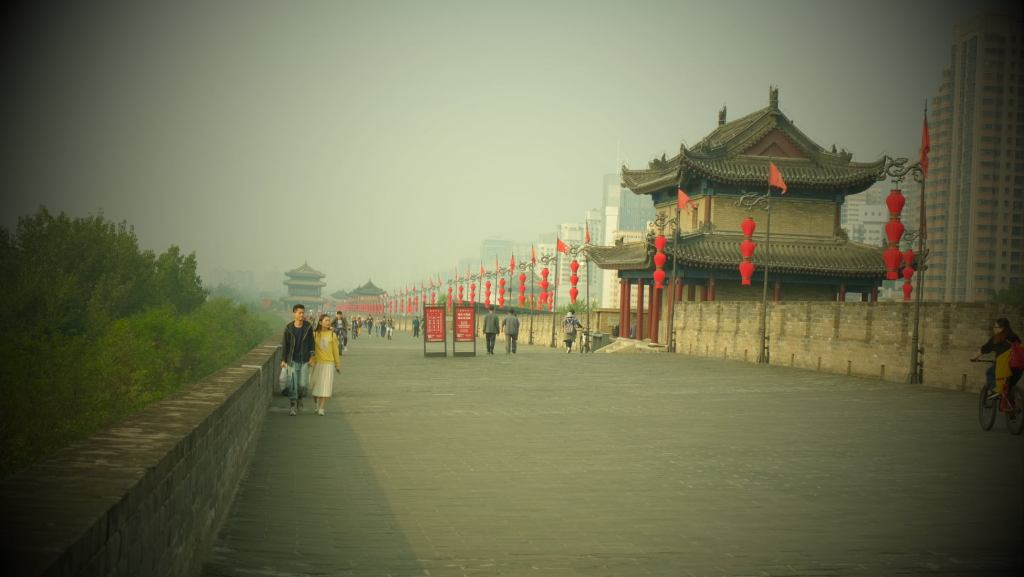
Xi’an was comprised by three parts: The Palace City, The Imperial City for officials and The Outer City for merchant and artisans. The core part is surrounded by the great walls with guarding points. Walking and cycling on the walls were vert comfortable and exciting.

Xian-China

What to see in Xian

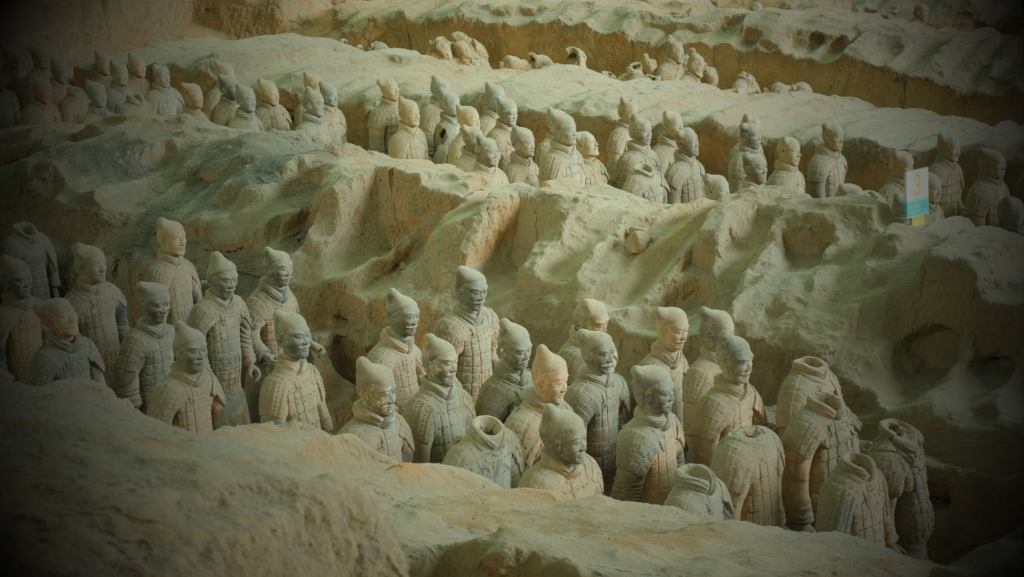
A must-to-see place in Xi’an is the tombs of Qin Shi Huang King. He had been a famous and important piece of China history not mentioned good or bad. Traveling around 1 hour to the outskirt of Xi’an, I went with the flow and visit some part of the huge historical area to see the underground tombs of the soldiers, servants, etc. It was robed during the war and destroyed by the enemies; the tombs was great to learn and highly recommended.

Qin-Chi-huang-tomb-Xian-China

Qin Shi Huang is so famous that so many domestic and international visitors flocked there. The contemplating time is probably less than huddling to find a standing slot and see the Terracotta Army.

down-town-Xian-China

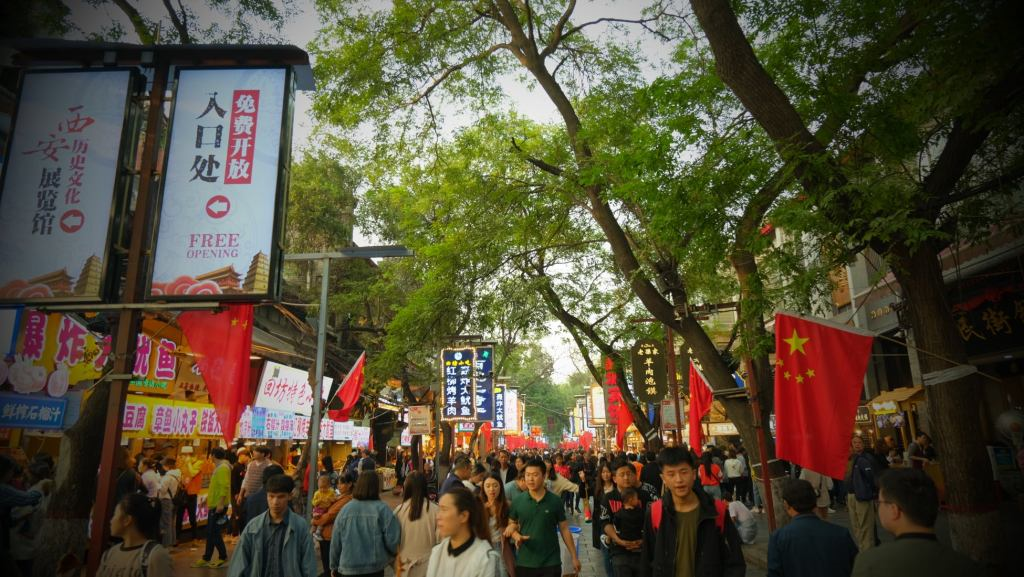
Xi’an downtown was so interesting and colorful. It was crowded like other downtown but very pleasant when people all walk slowly and enjoy the antique town. I do love the ambiance and the landscape.

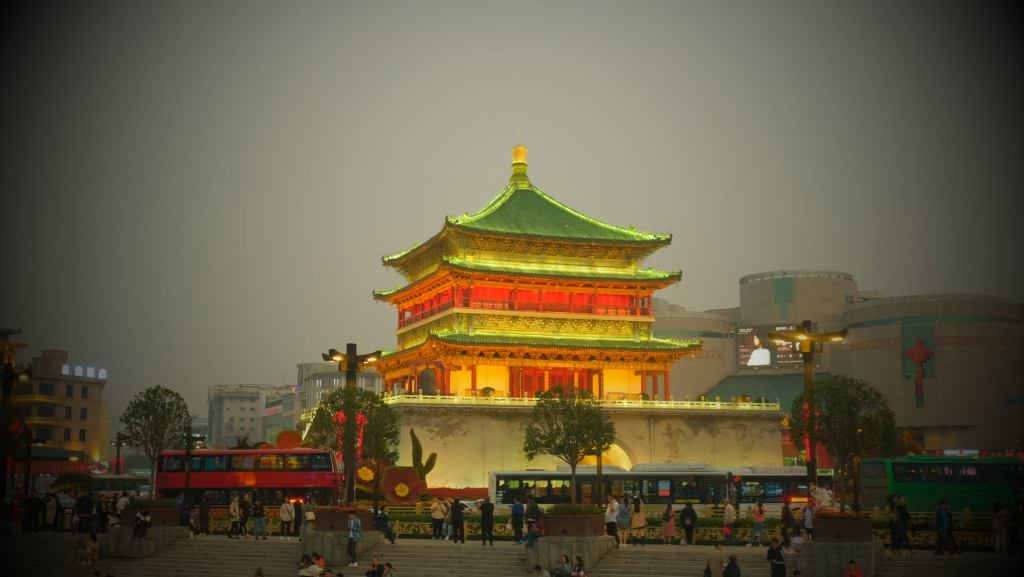
It was to enormous, truly! Walking in the Muslim corner, then Drum Tower and Bell Tower with abundant stop for eating, shopping and observing.

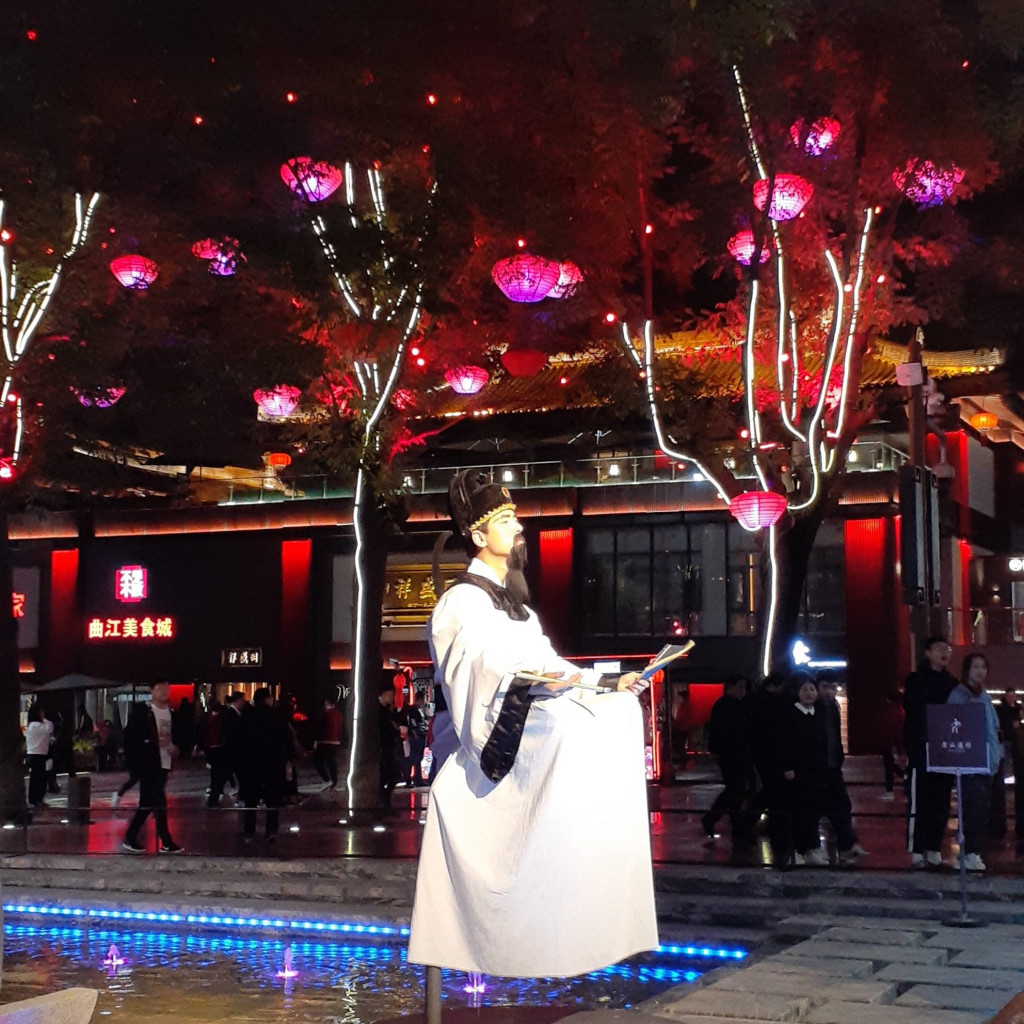
South Gate Square in Xi’an is the place with more locals and I felt like I was with them. The cinema is alike an old citadel, artisans performed their talents in public places.

Xian-China

Unique eating experience at non-tourist places

Xian-China-food

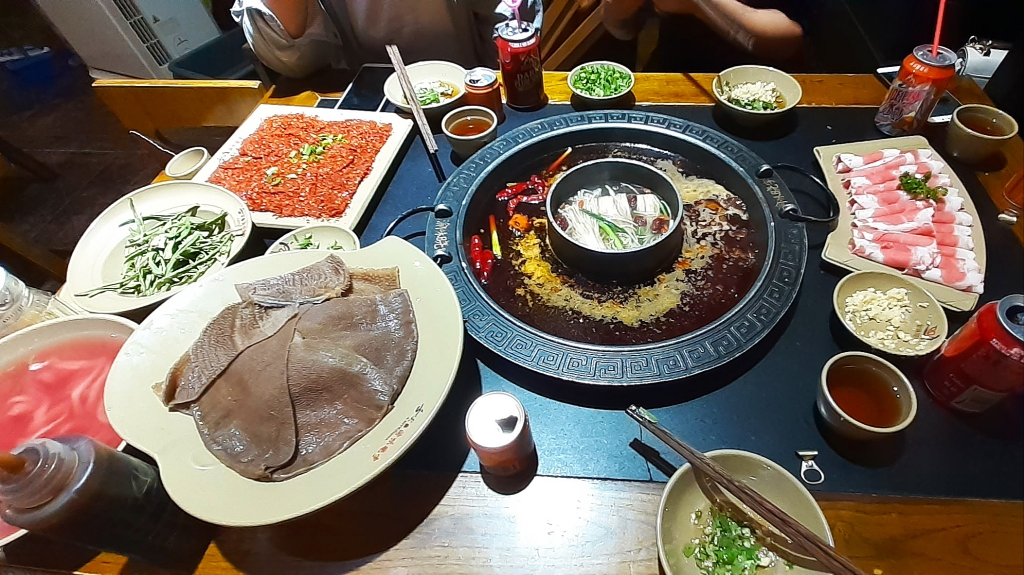
I was fortunate to be hosted by a friend in Xi’an and had chances to dine at many local restaurants. We came to local hot-pot restaurant and they helped me called the good choices. The food was spicy and oily but it was great for me to be with the local.

Xian-China-food

However, there are restaurants with very sumptuous dishes and not spicy at all. More special, a home-cooked meal was cozy and awesome when we can discuss more about our cultures and things.

Xian-China-local-food
Xian-China

Above are some more food that I ate. Though I didn’t really remember all the name, they was too tasty to eat. Just grab some if you ever see them in Xi’an.
Shanghai is a blend of the modern an culture

About Shanghai

shanghai-travel

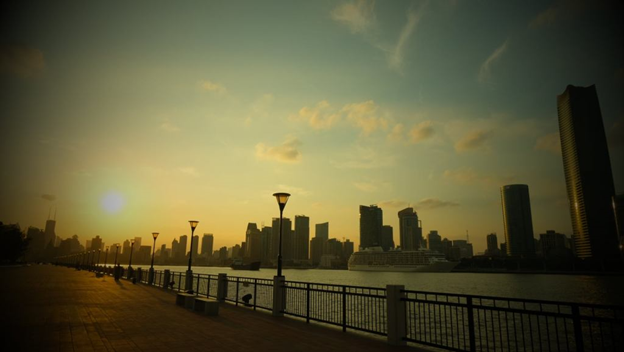
Shanghai, the City on the Sea became my most favored city of China despite it’s a city of paradox and changes. I do enjoy the walk around this city, not only the downtown part. Shanghai is such a city of integration. Shanghai, as I understand is comprised by two areas of the cultural and the modern parts which are separated by the Yangzi River.
One side is the downtown and featured with the shopping center, cultural visiting corners, ancient town and the other is stunning with skyscrapers where situated the financial hub of many international economy giants.

Originally, around 6,000 years ago, Shanghai was a fishing village, the residents lived and gradually the prosperous live enriched their local culture, entertainment and joys of lives.

Places to see in Shanghai

shanghai-travel

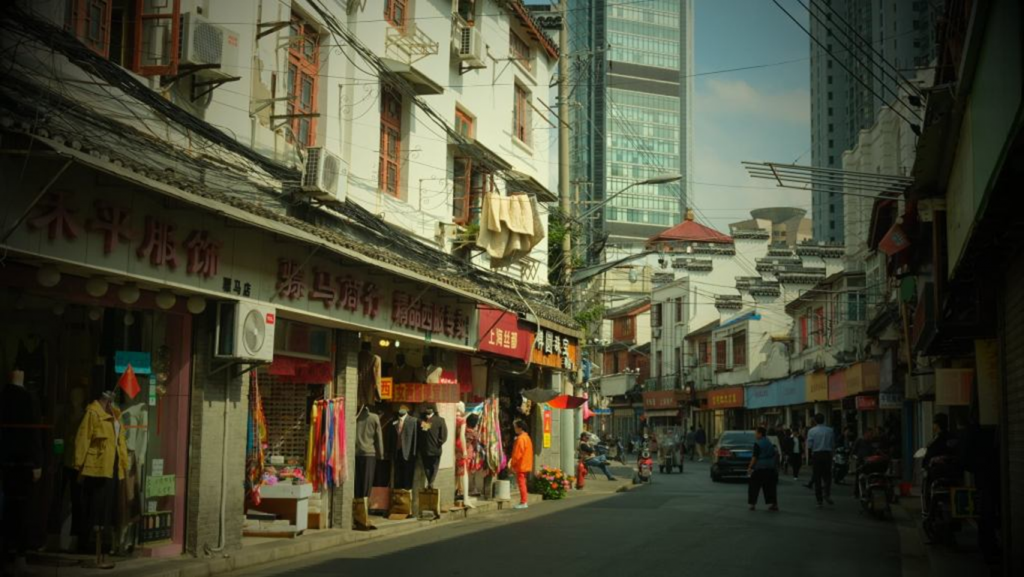
Shanghai quiet old quarter with small alleys and local houses at modest scales.

shanghai-travel-yuyuan-garden

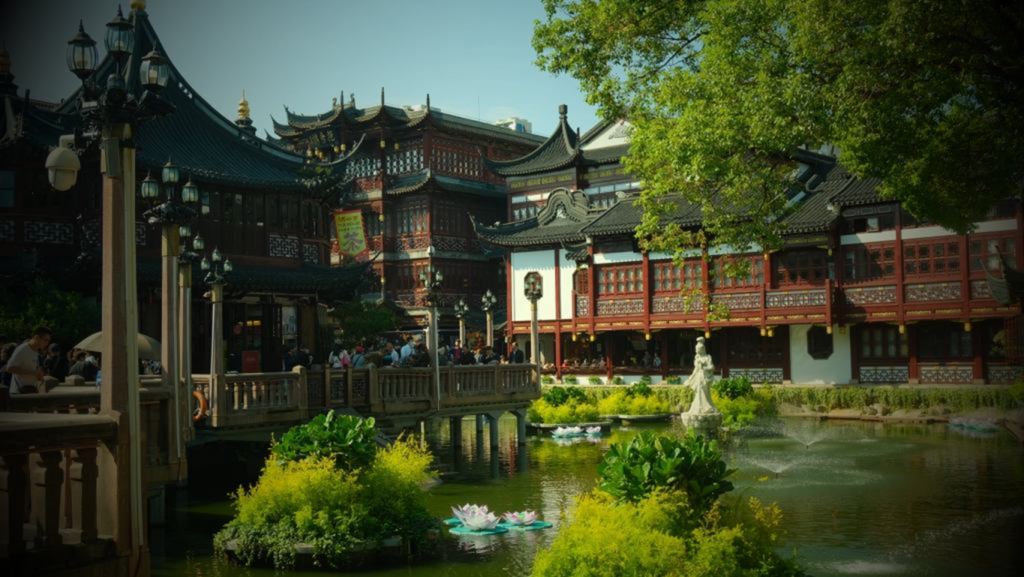
Yuyuan Garden and beautiful cultural things to see and experience.

shanghai-travel

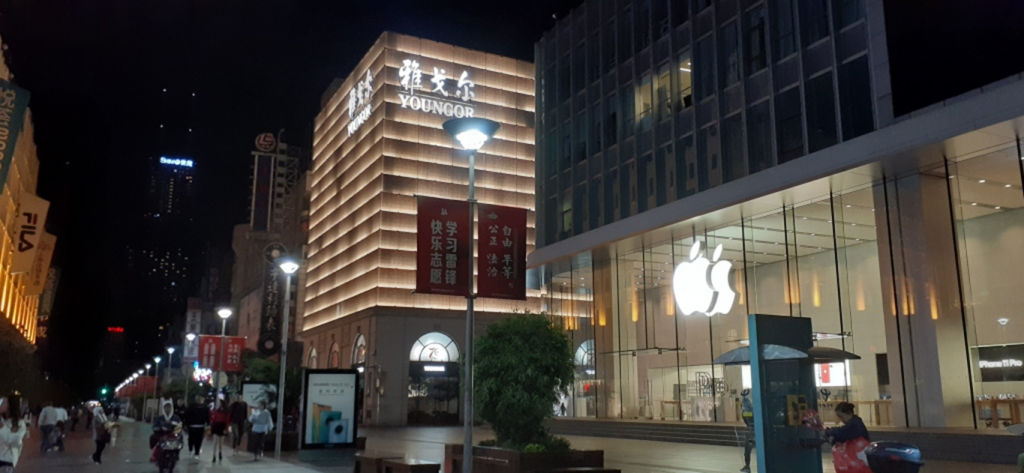
Nanjing road is recommended for street food and shopping.

British named this city Shanghai and made it the treaty port with the foreign involvement after the first Opium War. Following the quick development, the city became “Paris if the East” in 1930s.

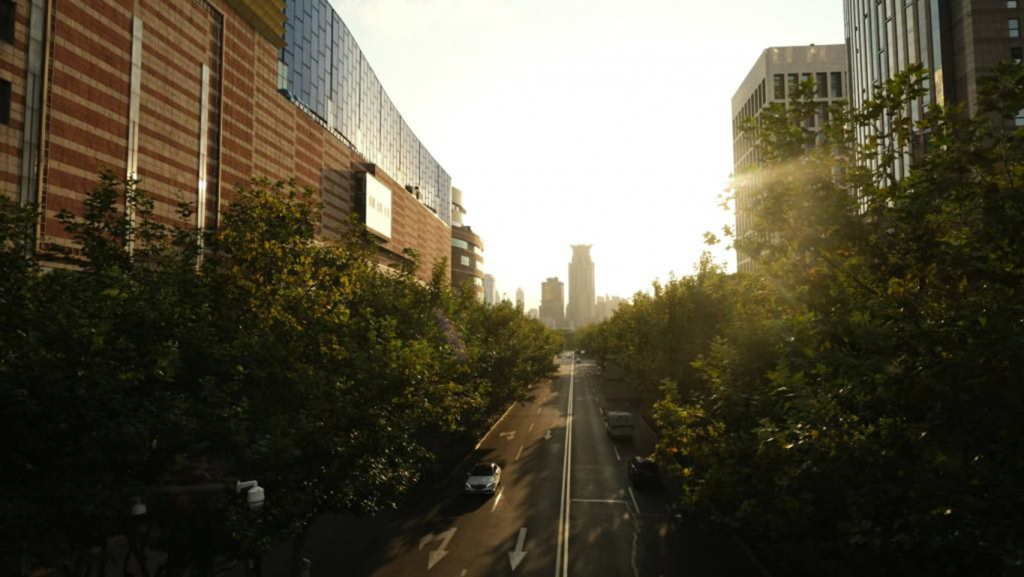
Under the view-point of a traveler, I do love the strolling to enjoy breeze, the skyscraper and admire its modernity.

shanghai-travel

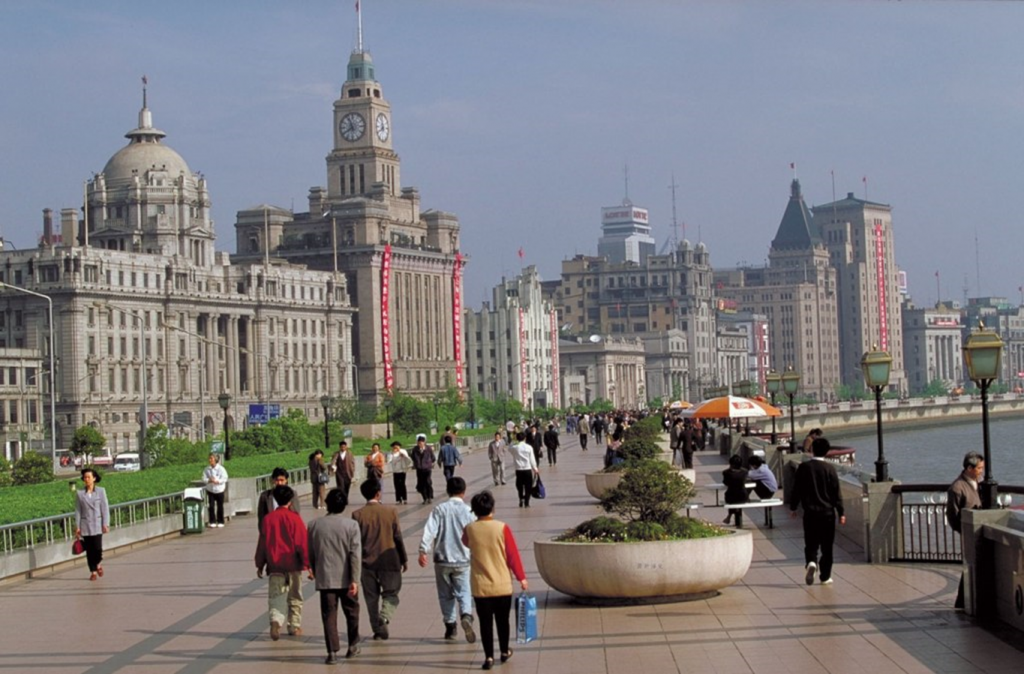
The British Clock and banks are situated nearby the river.

shanghai-travel

There are boats with very frequent schedules to cross the river and see the other part of Shanghai City. The sunset was very pleasant to chill-out.

shanghai-travel

Big city but it was not populated at all.

shanghai-travel

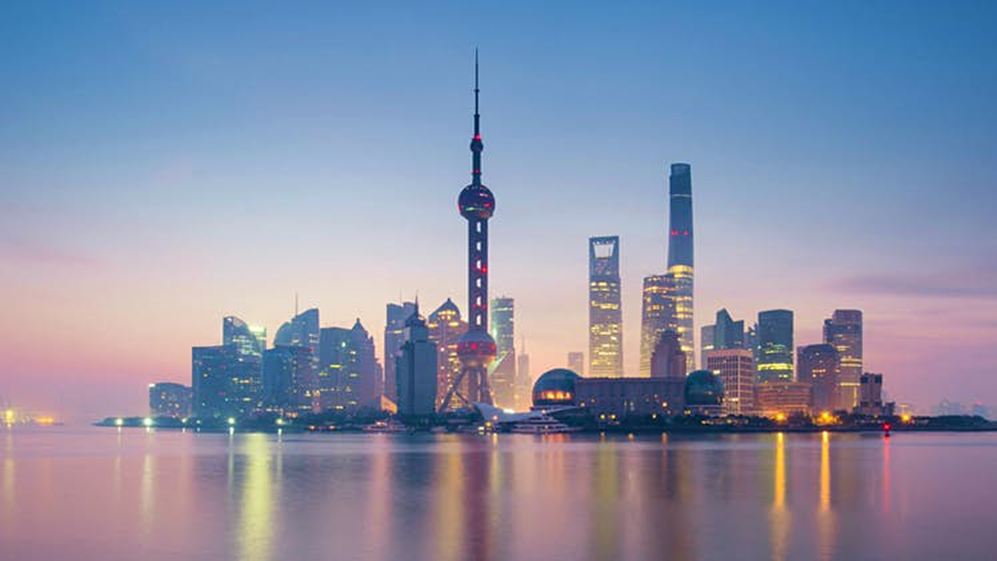
Shanghai financial center and the Oriental Pearl Tower look over the Yangzi River.

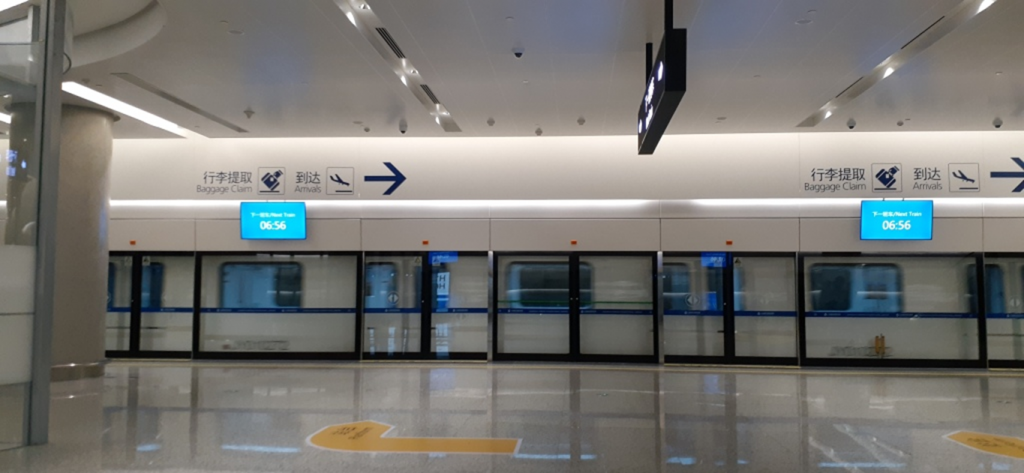
I have to admire Shanghai is a modern city and I did wish to find a job over there to live in its modernity truly. Well, the Shanghai Airport wasn’t exceptional neither. It was so modern that I decided to go with the flow to come out and get on the underground transfer to the luggage area.

Apart from this, the express train is also helpful for tourist to travel to beautiful countryside area like Hangzhou and Sushou in very short time.

shanghai-travel-get-to-airport

Food in Shanghai have been the best among cities of China to me so far

shanghai-travel-local-food

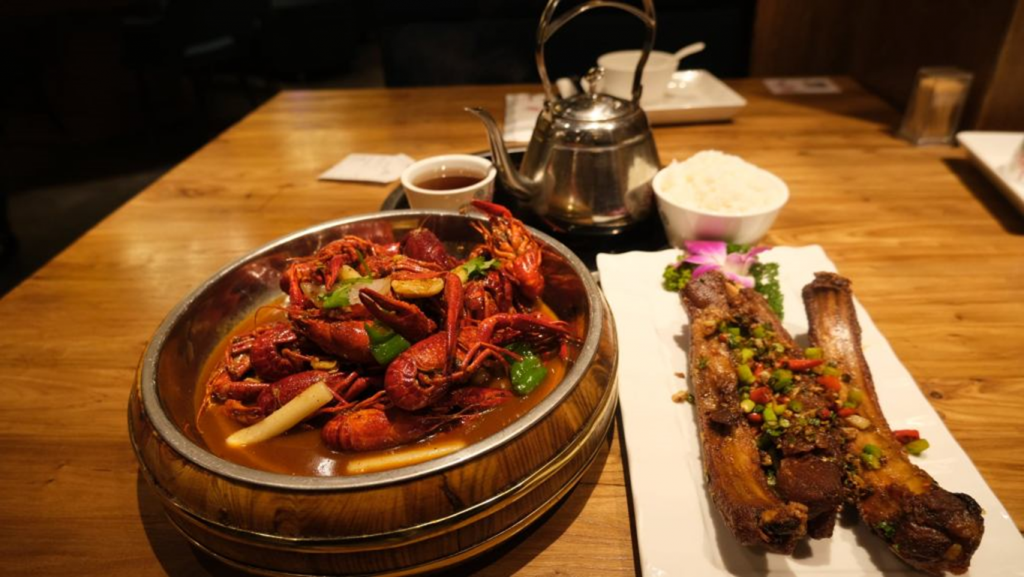
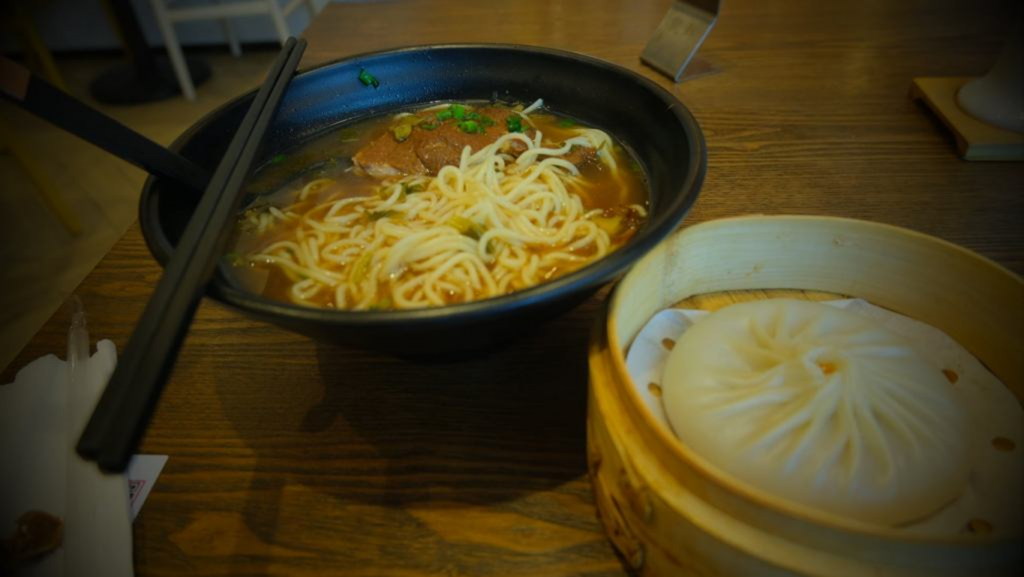
There are bunches of big and small restaurants in Shanghai for me to eat and drink anytime I feel hungry and thirsty. Street food in Shanghai and the restaurants were awesome. I did eat alot of street food and bought so many fresh fruits at local stores, there weren’t many photos taken. These are the two meals that I loved the most: Red Prawn with Pork Ribs; and beef noodle and giant soup dim sum in Shanghai (Xiaolongbao). I would definitely eat again if I return.

shanghai-travel-local-food

Despite many factors that make people love and hate China, this country is an awesome place for me to spend my holiday. You might find further introduction about Shanghai travel at How did I fall in love with Shanghai.

Vietnam travel – the country in southeast Asia offers affordable trip with amazing food

If you ever wondered the best destination for your visit when step into southeast Asia, Vietnam would be the very first suggestion. Read the below Vietnam travel blog to know more about beautiful places and tasty regional food.

Vietnam-travel

Why travel to Vietnam is firstly named?

Each country has its own unique enchanting beauties; however, Vietnam – a country stretches windingly along the East Sea offers travelers more experiences. I would call out some reasons as below:

Vietnam-travel-destinations

Easy access to all means of transports

There are many air fleets offer direct flight from their original countries or big cities to Hanoi and Ho Chi Minh Cities. Internally, public means of transportation such as train, bus, motorbike are available. Almost travel destinations in Vietnam are connected by flights which reduces your hours in the bus significantly. The most important thing is that social network in Vietnam booms significantly that the travelers could search out or see reviews of any single services.

Vietnamese food

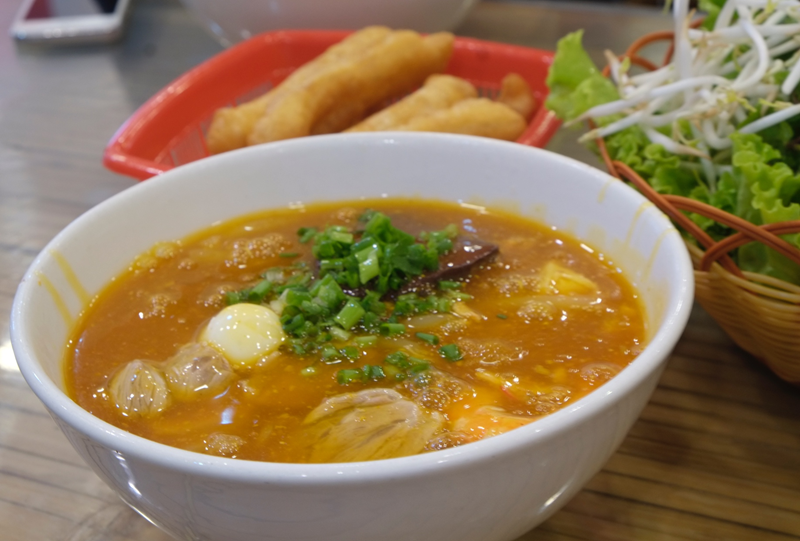
Vietnam-travel-food-tour

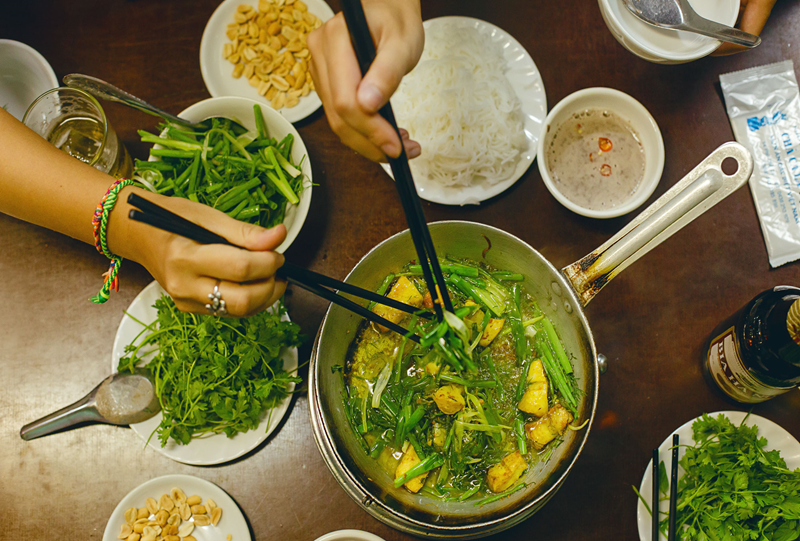
The food in Vietnam are variably combined and created from different ingredients. It’s not over but balance and healthy. The food is pretty fresh. Vietnamese often eat fresh herbs, lectures by dipping them in some fish-sauce or hot tomato soup cooked with green onion and eat in their daily meals. Apart from different cooking styles like deep fired, stir fried, stew, they will have at least a dish plainly steamed or boiled to have fresh taste and balance with the other rich in fat dishes.

Vietnam-travel-local-food-grilled-fish

The taste is also under a careful control. It should be moderate and on par with spicy, sour, sweet, salted. If the food is too greasy, the cook will present or add on some fresh ingredients. The color is at no exception. Color distribution is also noticed why cooking. More important, all must provide enough energy and nutrient for people. To see further about Vietnamese cuisine, check out the title 10 most popular dishes in Vietnam.

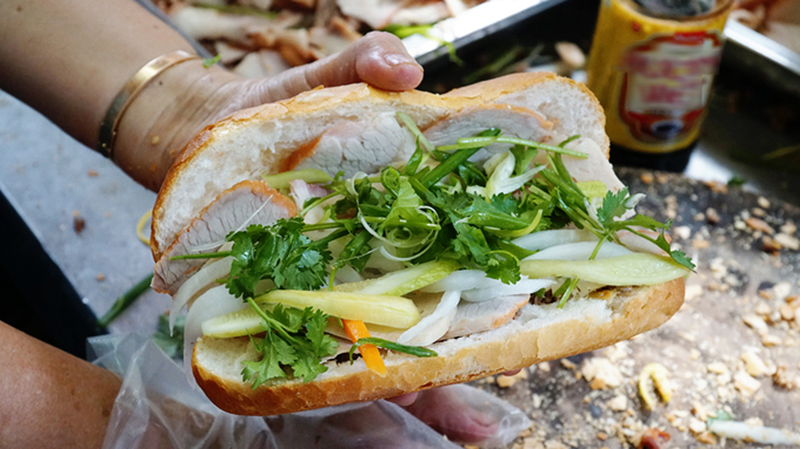
Vietnam-travel-local-food-bread

Vietnam travel offers many beautiful destinations

Overall, Vietnam is a country of rich culture, history, nature and wildlife, etc. The country also impress the world by a huge economic development with vast renovation after 40-year reform since the country was independent and united.

Hanoi

Briefly say, Hanoi is the capital with richness of culture, history and food variety. Below are the most highlighted places in Hanoi:
Hanoi Old Quarter
Sword Lake
French Quarter
Ho Chi Minh Mausoleum
Temple of Literature
Hoa Lo Prison
Women Museum
Tran Quoc Pagoda
West Lake

Vietnam-travel

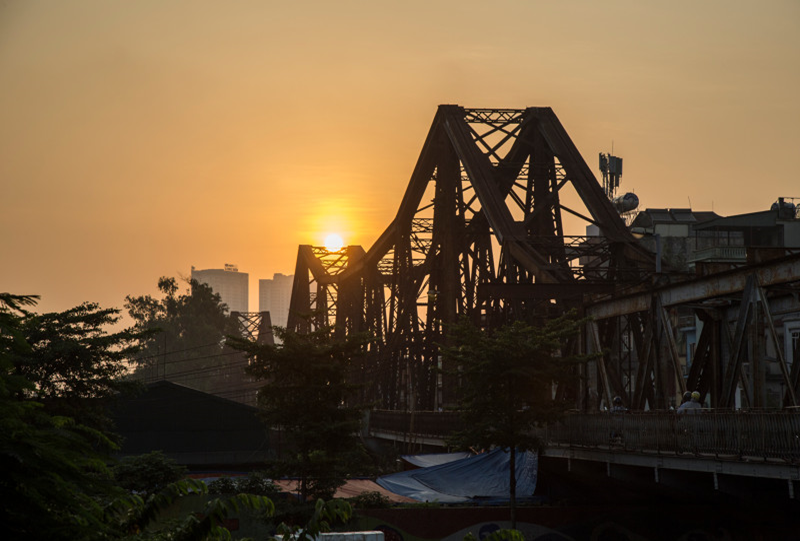
However, to experience the local lifestyle, it takes a few days to stroll around the busy hub, small alleys and quiet places. There are book streets, beer corners, ice-tea hubs. You can sit on small chairs and eat at a local stall on pavement or try the nice restaurant with well-prepared dishes. You can plainly grasp a cup of ice-tea or ice-coffee or chill-out at a chic and boutique cafe in charming decorations. Or else drink draught beer in busy and noisy corner or elegantly try different type of craft beer.

Vietnam-travel-Long-bien-bridge

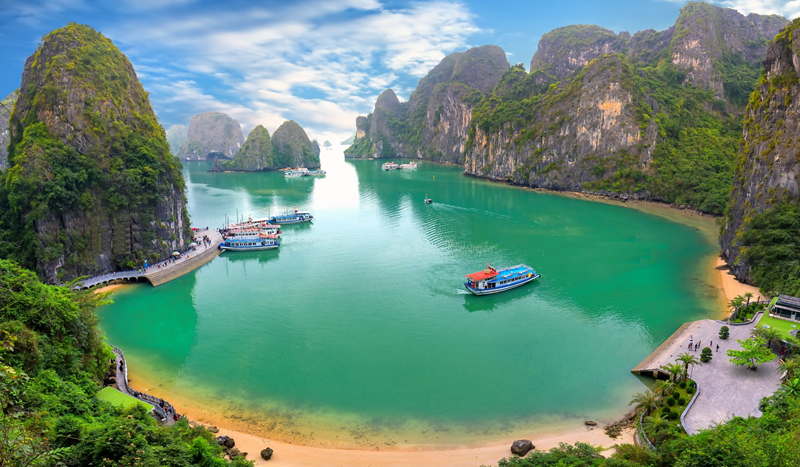
Ha Long Bay

Vietnam-travel-destination-halong

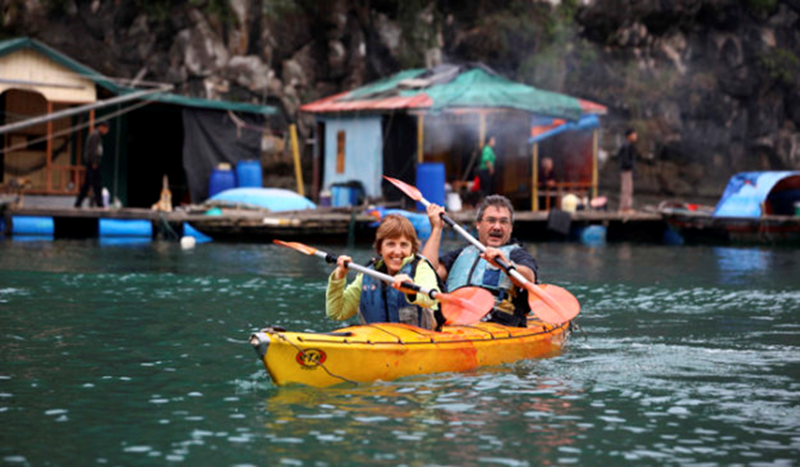
For those in seeking a trip of nature, outdoor & water activities, hiking, swimming, sunbath and relaxing. Ha Long Bay is one of the most renowned places of Vietnam as it has been a UNESSCO Natural site twice in 2000 and 2012. Hundreds of cruises operate the sail to the bay’s core area. Embark on cruise, you’ll explore thousand luxuriant jutting karst mountains among emerald water. There are big and small caves linger on those islands for a light hike. Ha Long is beautiful and crowded when so many people want to see it. There are alternations of less busy bay located next to Ha Long Bay. Those sisters are Lan Ha Bay, Bai Tu Long Bay or Cat Ba Island. Halong Bay is a highly suggested place when you plan your Vietnam trip or a multi country journey like Vietnam and Cambodia tour.

Vietnam-travel-destination-kayak-on-halong-bay

Ninh Binh

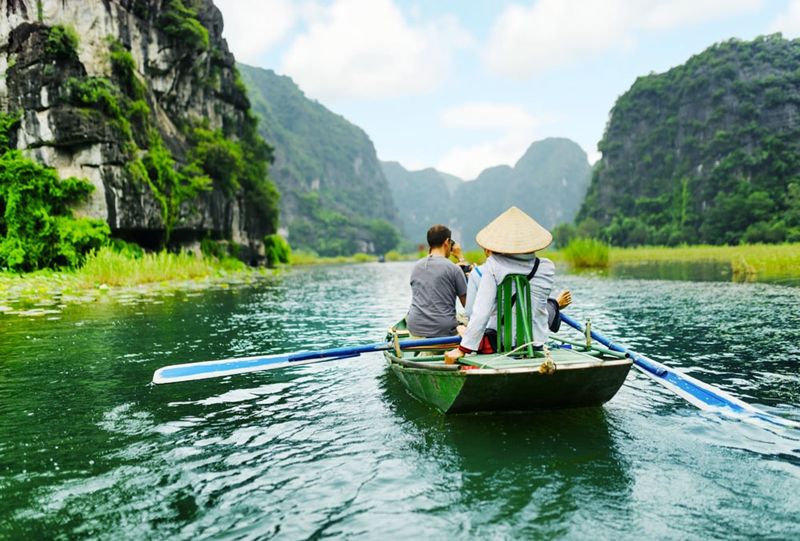
A destination sited 105km to the south of capital Hanoi, Ninh Binh is an enchanting land with riverine limestone mountains and pristine countryside. It’s named “Ha Long Bay on land” as the area share same type of archeology to Ha Long Bay. However, the experience is fairly different. This place is rich of culture and history. As the ancient capital of Vietnam, travelers will learn some facts on the country’s previous Emperor history and architecture of 11th and 17th centuries. Other sites like Tam Coc, Trang An, Cuc Phuong National Park, Bich Dong Pagoda, Mua Cave will give a wow feeling on this stunning land.

Vietnam-travel

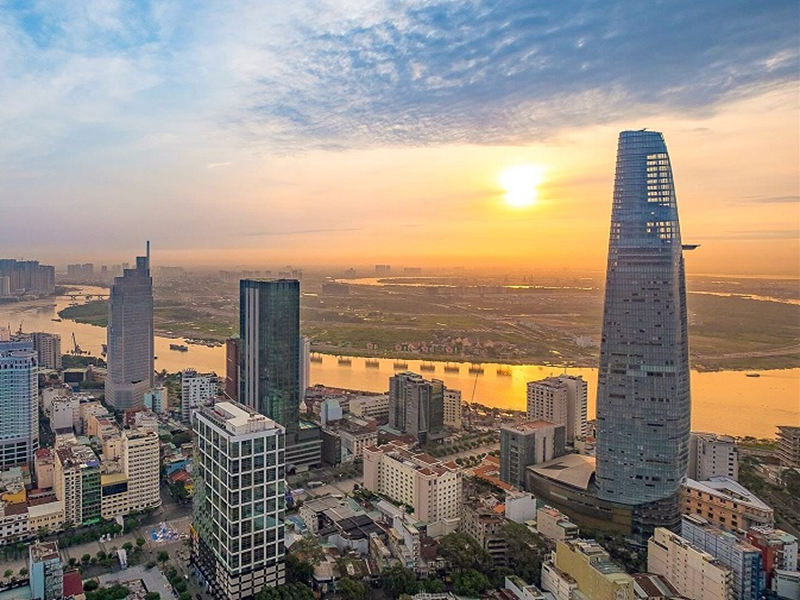
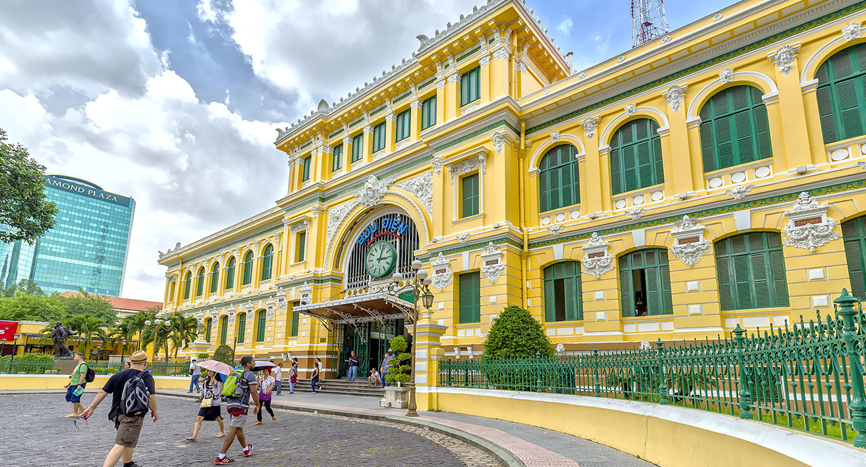
Ho Chi Minh City

Ho Chi Minh City (or Saigon) is a young and the most developed city to visit in your Vietnam travel plan. Visiting this southern economic hub, you will find a busy and lively lifestyle. It’s appeared with skyscrapers, modern architect, international chain stores and so on. As once under the rule of Colonial troops for years, there are Colonial relics and buildings which are mainly political, and government belonged these days.

Vietnam-travel

Ho Chi Minh City treats its visitors sky bars, restaurants casting glorious view to Saigon curling river and sparking city view, busy Beer street and lively music cafe, the atmospheric China Town which seems more cultural than elsewhere as the China Town in Saigon seems keeping itself more reserved than others in the world.

Vietnam-travel-ho-chi-minh-city

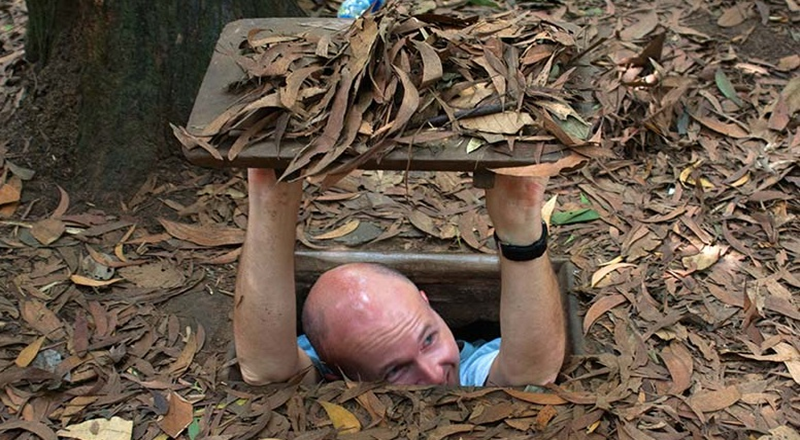
Cu Chi Tunnels

Cu Chi Tunnels is a system of underground route complex that dig during Vietnam resistant war for the soldiers to shelter themselves. There are different chambers of kitchen with an undiscovered smoke evaporation system, hospital, dining rooms, meeting rooms, etc. The place shows an evident showcase on history via stories, documentaries, displays, and the chance to try some food used during the time.

Vietnam-travel-cu-chi-tunnels

Sited around 60 km from Saigon, Cu Chi Tunnels could be reached by land transfer in 1.5 hour or by speed boat in 1 hour via Saigon River.

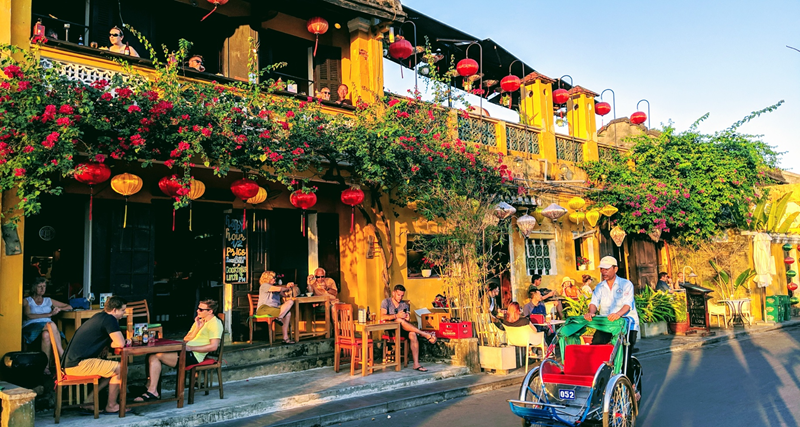
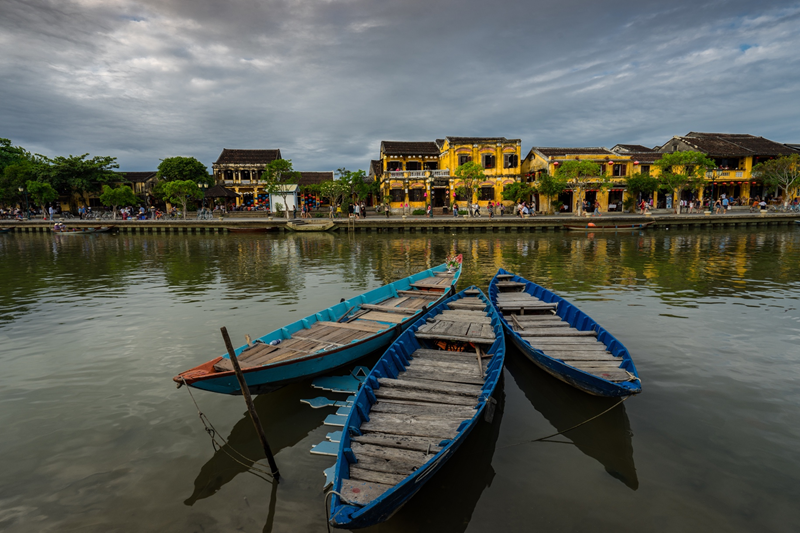
Hoi An

Hoi An is favored by so many tourists in the world for its ancient charm, pleasant stay, pretty choices of street drinks, food, cafe and fresh cuisine.

Strolling around every corner of Hoi An, tourist find it quite simple but attractive. Hoi An is also ideal for photography and gastronomy too.

Vietnam-travel-hoi-an

Apart from the famous ancient town, visitors can spend time to a peaceful rural village by leisure biking like handicraft villages, herb village, etc.

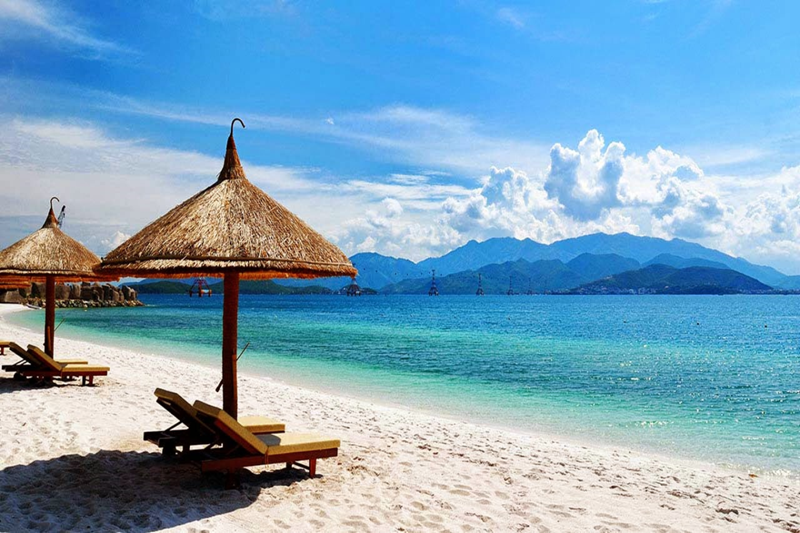
Beach escape also features Hoi An Travel. There are, but a few left, pristine beaches with both soft white and yellow sandy beaches in Hoi these days including An Bang, Cua Dai, Ha My and so on. For whom interested in isolated Island, take a speed boat to Cham Island and stay at exotic homestay, experience the habitants on islands and delve into the sea for scuba diving or snorkeling. Swimming and sun bath on beaches are not exceptional.

Vietnam-travel-hoi-an-old-town

Anything eles that we can find in Hoi An? The proof is that many people have decided to spend up to a month or 3 months in this town. Plus, from Hoi An, it’s easy to do a day trip to Da Nang the city of bridges.

Vietnam-travel-beach

Hue

From 1802 – 1945, Nguyen Dynasty saw a new development and moved capital from Hanoi to Hue to settle and expand the land southward. After border flight, as well as some tribute to marry King’s princess, Vietnam land has been larger and come out as the S character nowadays. The Nguyen Dynasty could be one of the very few dynasties with the most peaceful and prosperous development.

Things to do in Hue

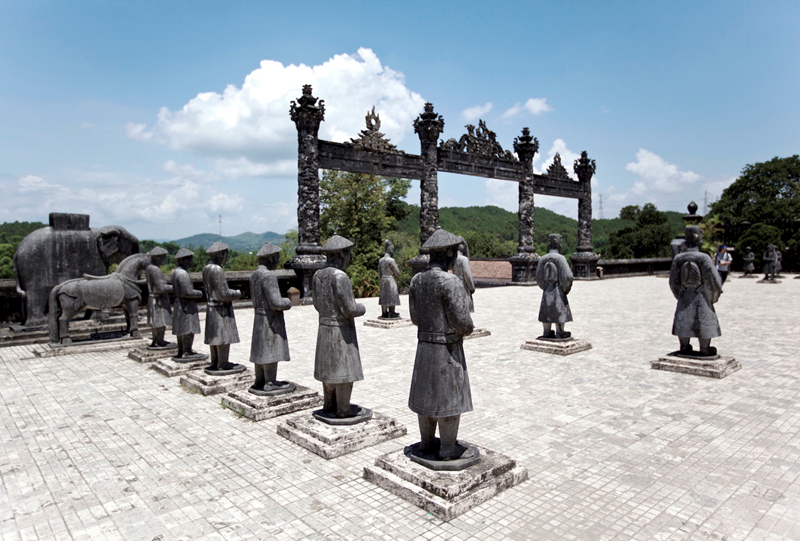
There are many constructions such as Citadel, Kings’ tombs, Royal gates, etc. are intact. The visitors can pay a visit to those places. Plus, to provide luxury and sophisticated food, costumes, drinks and other supplies to the royal families, there must be many skilled craftsmen in Hue. Though it’s modern time, these skills become heritage and going on through generations. Traveling through lush countryside, you can reach many original and ancient villages to learn about these handicrafts and learn about the customs of the locals. Suggested villages to visit including:

  • Sinh votive painting village.
  • Thanh Tien paper flower village
  • Phuoc Tich pottery village.
  • Conical hat village, pomelo village.
Vietnam-travel-king-tomb-in-hue

Except the culture and customs interest, Hue is also attractive by it’s pristine coastline, fishing lagoon and national park. Hue gastronomy is an outstanding feature and should not be missed. From street vender food of variable rice cakes forms and cooking style to staggering royal standard cuisine.

Vietnam-travel-local-food

Above is the introduction of the most outstanding places for a classic or leisure-active exploration. To have the glimpse of them, it takes around 12 – 15 days. Apart from this, Vietnam offers lot of stunning off-the-beaten track trails as well as pristine beaches to discover if you have more time.

I suggest this travel itinerary to visit Vietnam and taste local tasty dishes: VIETNAM CUISINE JOURNEY 12 DAYS

Myanmar travel – You have to come fast

Blog of glamorous Myanmar travel is a large country in southeast Asia region. This country shares borders with 5 countries Laos, Thailand, China, India and Bangladesh. The first thing pop up in my mind is the branch of Buddhism. Buddhism came with 2 branches after the Buddha got Nirvara. While the Mahayana (or the Greater Vehicle) developed toward the North and preached in countries like Bhutan, China, Mongolia, Korea, Japan, northern Vietnam; the Hinayana (the Modest Vehicle) spread down to the southern trails over Myanmar, Thailand, Laos, Cambodia, southern Vietnam, etc. This is the reason the pagodas appear everywhere in those Buddhism countries.

The pagoda with golden stupas or sharp pagodas are very typical and fairly similar in Laos, Thailand, Myanmar as the locals practice same type of Buddhism branch.

myanmar-travel-bagan

Why proceed your Myanmar travel soon?

Many travelers have concerns about the unstable politician in Myanmar. So Are you safe in your Myanmar Travel? The comfort but true answer is the conflict does exist and get tensed at the frontier areas between Myanmar and Bangladesh. The rest cities, as you know Myanmar is very large, are definitely very peaceful.

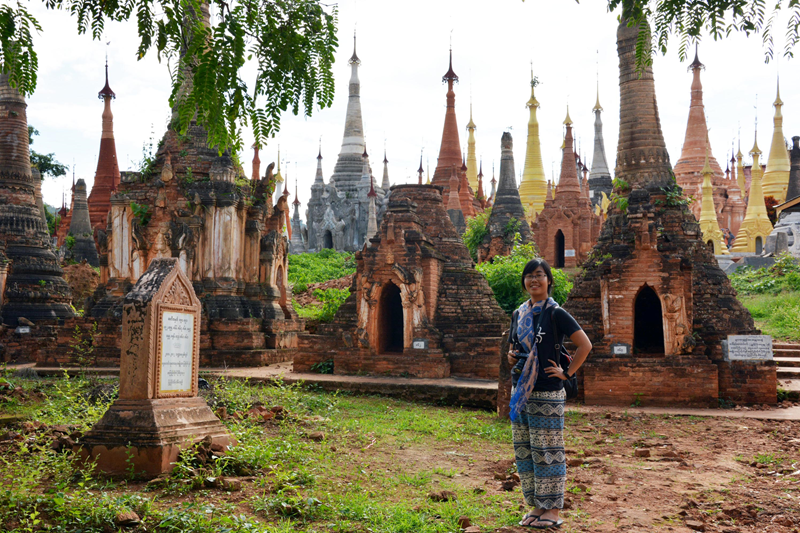
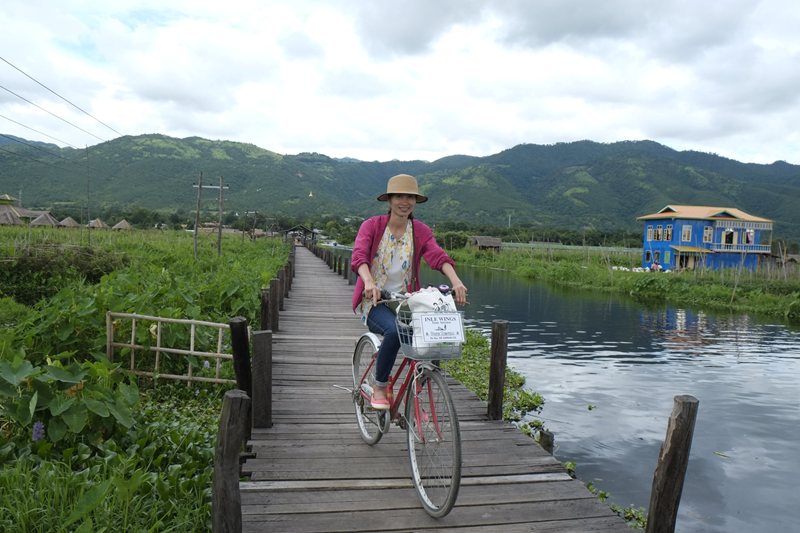
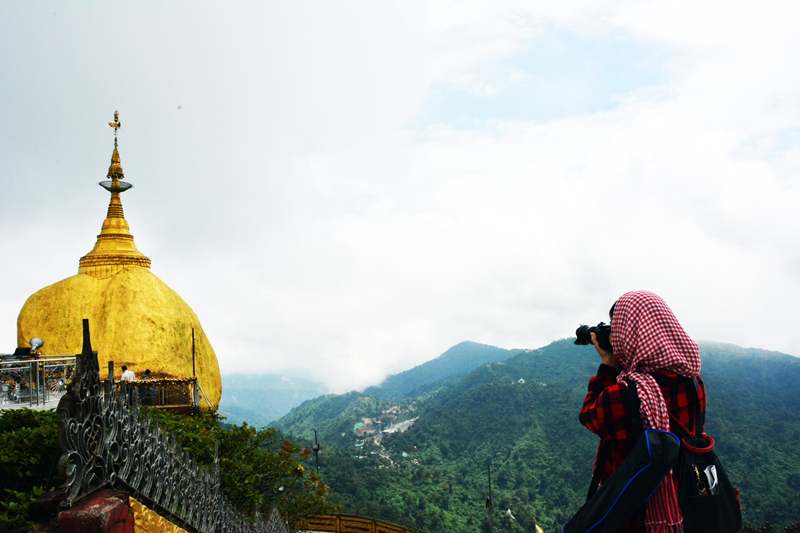
Myanmar’s capital is Naypyitaw. However the tourists would not or hardly come to this political hub. The mains cities worth visiting, or the Big Five of Myanmar are Yangon, Mandalay, Bagan and Inle Lake. Plus, Golden Rock and Hispaw are interesting spots and if you can include in your Myamar trip.

Why you can no longer delay your trip to Myanmar?

  • Myanmar is among very a few countries remained intact and not yet affected by mass tourism
  • Myanmar is a peaceful Buddhism country of holy pagodas and temples all over country, and with high concentration in Bagan.
  • Exotic nature from mountains to giant lake and authentic countryside
  • Multi-ethnic country of rich culture
  • Regional cuisines are variable and amazing. Curry isn’t the only cooking type in Myanmar. Travel to Myanmar and you will find amazed how tasty the local food is.

How to get there?

+ Two big cities in Myanmar with international airports that you can fly to and access Myanmar are Yangoon and Mandalay. From Mandalay, you can take a unique day boat from Mandalay to Bagan included with many cultural and local experiences.

+ To travel internally: Each travel city/ region are a few hundreds from each other. Then, flying is the most optimal choice with shortest traveling hours and the airfares are pretty reasonable. Myanmar local air-fleets with less fancy and less comfortable seats. There is another way is night buses taking 7 -12 hours to traverse in between depending on the distance. A could not be better news is that the bus quality is very good. Myanmar night buses are quiet big and comfortable with spacious legging space for the passengers’ stretching. There are attendants dressing nicely in the uniform support and provide snacks, mineral water and blanket to the guests onboard. Most of buses set up a screen in front of each passenger with entertaining videos, Hollywood movies, etc.

What are main places to visit in Myanmar travel?

Yangon

myanmar-travel-yangon

About Yangon

Yangon is not the capital of Myanmar but it’s more popular to tourist as well as businessmen than Naypyitaw. In the past, Yangon is the only city of Myanmar with international airport that all tourists will enter Myanmar via Yangon. This city must be more convenient to the business too. There are only cars in this city, motorbikes have been restricted since 2008. While there is a big improve for the narrow roads and infrastructure; you should anticipate some of traffic jam or slow transfer hours in Yangon.

myanmar-travel

Things to do in Yangon

There are significant golden temples right at the end of the main road, or on a hill in Yangon. You can take a stroll to Shwedagon Pagoda with ticket validity up to 24 hours so that the visitors can return at night when the stupas are lit up and appeared shiny, Octagonal Sule Pagoda, Chauk Htat Gyi Pagoda with a reclining Buddha of 65 m long and so on.

Busy China town of old style attached houses with atmospheric nightlife of local food, drinks, beer for a chill-out. In the China corner, there is a religious Kheng Hock Keong Temple.

myanmar-travel-yangon-city

For shopping, let’s troll to wholesale Bogyoke Aung San Market but sell retails too. Walking over, you can find dozens of goods like clothes, Myanmar milk-tea, Myanmar jade and silver products, candies, etc.

Another experiences to delve into local life is Myanmar circular train taking you around the city, stop at a local market and observe daily exchange activities, see the hustle but happy life, and find fruits, chickens, shopping baskets here and there on the train, etc. There are scheduled train with 30 – 45 minutes one after another daily.

myanmar-travel

Mandalay

About Mandalay

Mandalay is the second biggest city and a must-see in your itinerary of Myanmar travel. To reach Mandalay, there are flights from other regions of the country. You also can try day boat sailing along river from Bagan. There are many cultural activities on board as well as stops at local villages for interaction. Tourists also can take direct international flights from outer cities to Mandalay including Bangkok, Singapore, Chiang Mai and around 15 cities of China.

myanmar-travel-mandalay

Things to do in Mandalay

Mandalay – the last royal city in Myanmar is a region nearby Mandalay Hill. Right in city center, you can pay a visit to huge Mandalay Palace and the royal citadel. Aside and belonged to the palace ground is the impressive teak wood Shwenadaw Kyaung Monastery. This is a sophisticated teak monastery showcasing the histories as well as glorious Mandalay.

myanmar-travel-mandalay-temple

Out of the Palace, taking a short drive in 10 – 15 minutes, you will find the largest book in the world which are Khuthodaw and Sandamuni Pagodas. There are 729 stone pages of which with a stupa each. This impressive book is very unique in terms of the inscribe and the peaceful ambience. There is a natural suncream thanaka grinding table and thanaka root for the visitors to grind then put on their faces at their own to protect themselves from the intense sunshine.

myanmar-travel-giant-book-mandalay

Following the main route, you will find 2 super big guardian lions from where you can walk up to Mandalay Hill. There is another slightly winding road with the lush shadow of greenish canopies for car and motorbike to get to the peak. Standing from Sutaungpyi Pagoda which crowns the hill, you can cast a panoramic view to the region.

Neighborhoods of Mandalay

Ubein Bridge

Apart from these spots in city center, a journey out is a definite must. To the south of the city center, U Bein is the longest teak bridge in the world and also an iconic landscape of Mandalay. Walking leisurely on the bridge and feeling the fresh breeze is engaging. The sunset over the bridge is stunning and intriguing. Boarding a local boat and sail to the middle of river, you will be able to admire the larger and whole view of the bridge hold up by thousands of teak pillars.

myanmar-travel-u-bein-bridge

In the past, all the monks are gathered and sent over here the Amarapura region due to political and religious issues. Day-to-day, there are around 2000 monks in Amarapura will show around the U Bein Bridge. It’s a nice chance to stop by and learn more about the monks. U Bein Bridge is a definite must in your Myanmar travel itinerary.

Inwa hill

In the same direction with U Bein Bridge, it’s Inwa (Ava) with iconic ancient temples and Buddhism relics. It’s worth exploring around this countryside region. Not so far from Inwa is Sagaing hill offering another panoramic views to the river and land. You will find many monasteries and the monks come around.

myanmar-travel-u-bein

Mingun

From Mandalay City, let’s cross the river by seamless local boat of only 5000 kyat/ person/ way and travel to Mingun. There are choices of riding cow cart, walking or biking to visit around. You will able to admire the temples and pagodas of very unique designs as well as meaning including Pahtodawgyi Pagoda appearing like a brick pile which is not intact due to the severe affection of earthquake twice. Another special one is the Hsinbyume white pagoda named after Bodawpaya King’s queen and yet constructed to dedicate to her. Built with waved terraces surrounded the core gradually lead up to Mount Meru representing the cosmology in Buddhism ideology.

myanmar-travel-blog

Beside, you also see the big Elephant around large shadow of ancient tree and huge Mingun bell. This half day trip to Mingun is a very unique and of course memorable experience when staying in Mandalay.

Bagan

If there is only one city to be chosen, exotic Bagan would be the most prioritized one. This land was the capital of Pagan Kingdom which is Myanmar these days. There were 10,000 big and small temples and pagodas erected in this land. Due to the human being fight and the natural earthquake that many of them are no longer intact. There are around 2,000 temples in Bagan these days.

myanmar-travel-bagan-temples

About Bagan

Nesting itself along Irrawady River, Bagan is a amiable region. The idyllic landscape, friendly people and rich culture will leave you with a life time experience. It’s highly suggested to spend at least 2 nights in Bagan. The further you spending for your Myanmar travel, the deeper you could delve into the local heart. To divide, there are 3 main regions in Bagan which are Old Bagan, New Bagan and Nyaung U. As most of pagodas and temples are concentrated in Old Bagan, visitors have to arrange the transfer to Old Bagan no matter where they overnight. The distance between regions is not a big matter and could be travelled in between easily by car, electric bikes, electrics motorbike or bicycles.

Where to stay in Bagan

Back to the three areas, it’s definite the best to stay right in the Old Bagan among and get blended into thousands of brownie temples and pagodas nestled in the lush jungle. Due to its location, hotel in Old Bagan generally will be at the higher costs. Then alternative stay could be New Bagan with a quiet and lovely countryside trail leading to Old Bagan. For whom prefer lower cost hotels in Bagan and nightlife, Nyaung U is a good choice.

Things to see in Bagan to include in your Myanmar travel itinerary

So what to visit in Bagan? The answer will be temples, pagodas and villages. It’s never boring to wanderlust whole day among those temples which each of them is designed with different architecture and meaning as well as worship purposes. The trails connecting temples are intriguing and mysterious. It brings a feeling that you are totally lost into a mystic land and you can freely admire the temples and pagodas from different angles. At times, you will caught a cow school wandering or some cows pulling the cart come slowly over.

myanmar-travel-bangan-temple-tour

Things to do in Bagan

Bagan Temples

Bagan is the most highlighted place in Myanmar travel package. Some of prominent and must to see temples in Bagans are Ananda Temple, Dhamma Yangi Temple, Shwezigon Temple, Thatbyinnyu Temple, Htilominlo Temple, Shwesandaw Pagoda, etc. There are dozens of unnamed temples emerging over Old Bagan. Take your time and call in the one you feel interested. To enter these temples, you are mostly asked to walk with barefoot and proper costumes.

myanmar-travel-bagan-temple-tours

Bagan Sunrise and sunset

For Bagan sunrise and sunset, you can choose the Ta Wet Hpaya Temple in the central of Bagan Archaeological park. Thitsawadi Temple is where most of Bagan hot air-balloon fly over; Law Ka Ou Shaung is where you can capture the sunrise with Shwesandaw Pagoda captured into background. Pyatheygyi Pagoda for sunset but a bit crowded. Lastly is Bagan viewing Tower where you can cast a 360 degree view of the archaeological park and amazingly pleasant sunset moment. The cost to go up is 6500kyats with inclusion of a welcome drink and using of binoculars. The Balloon over Bagan is very wonderful and available during dry season from Nov to Mar only. However Bagan is beautiful whole year for me.

myanmar-travel-blog

Eating in Bagan

On the way travel around the temples, you will encounter a few local villages. Just come and learn more about local life. If you look for places to eat, just stop at any local restaurants – with many domestic eater, experiences shared by Anthony Bouder. I have tried and would suggest some choices that I found the food are very nice and tasty like The Moon vegetarian restaurant right in the Bagan archaeological zone, Black Rose restaurant in New Bagan. We had dinner there with very good food and some tamarind candies after the meal or it can help releasing the hot if you eat spicy food, and Nanda Restaurant.

traditional-puppet-show-nanda-restarurant

Culturally, you can have a dinner of Burmese traditional dishes listed in your Myanmar itinerary and enjoy the Myanmar Puppet Show at Nanda Restaurant.

Popa Mount

If the trip is not tight, spend haft a day for the Popa Mount a religious center of local people which could be said as important as the Batu Cave in Kuala Lumpur. A small note is keeping an eye on the monkey bunches. Plus, for the whole long way walking up, local keep their feet bared which might not comfortable and clean on rainy days. But it’s the local religious respect that you should not come unless you can do as local doing. The view on top, fairly say is not an wow.

Inle Lake

About Inle Lake


Inle Lake is the region in the north-east part of Myanmar travel. The weather here is cooler and less humid. Accordingly, local people will have brighter skin color. With such moderate weather, the stunning mountain ranges shadow themselves onto the giant lake that present a picturesque and tranquil landscape. The trip to Inle Lake also granted us a wonderful and very different experience to other regions of Myanmar when learn about the floating living. The culture here bears it own Myanmar breath that similar to no where.

inle-lake

Inle Lake boat trip

For the lake part, yet, a day cruising with local long boat with capacity up to 7 or 8 guests is a must. The captain – a local person will sit at the back and control the boat. The boatman as well as a local guide can show you around in a day. During the ride, we can observe these nice spots:
– The initiative floating garden
– Floating market – close by 9.30am
– The local workshops with traditional handicraft like cloth made from lotus stem string, the silversmith
– A village of long neck women.

myanmar-travel-inle-lake-boat

On the lake, the men go fishing too. They work hard and skillfully when control the boat by one leg then the other leg will stand and their hands will be used for net throwing and casting. Amusingly A few of them boating on the lake but not for fishing. They will display and act passionately and cheerfully for tourist to have a closer look and best angles to shoot nicest photos of them to get gain some tip back.

myanmar-travel-inle-lake-boat-tour

Inle Lake and temple

The boatman also lead you to famous pagoda on the island or on river banks like Phaung Daw Oo Paya Pagoda and Shwe Inn Dein Pagoda. For Myanmar adventure tour, there are options of trekking through local villages too which will be meaningful and interesting if you are accompanied with a knowledgable local tour guide. There are options of trekking package of one day, 2 days to 3 days to Kalaw to Shan mountains, minority tribe villages and experience homie homestay.

inle-lake-trek

Hiking in Inle Lake

For the mountain and land part, biking on land is alluring. Beginning from Nyaungshwe, let’s take a leisure bike to Nga Phe Kyaung Monastery and evocative Shwe Yan Pyay Monastery. If you come at right time, you can observe the young monks attending their classes. Carry on the road surrounding Lake, tranquil InLe will be revealed. You can stop en route to visit Tofu Village where local people make dozen types of tofu and snacks. If tired, jump on a boat to cross the lake at the middle to reach the other side of the it where lays a long gray wooden pier leading you to mainland.

inle-lake-cycling

Red Mountain

After traversing half of the lake, the biking will conquer Red Mountain on the way from pier to Nyaungshwe town. It’s not difficult to find the winery farm on Red Mountain as sign boards are helpful. Please to remind that the bucolic natural scenes always gratify your thrilling biking.

Gear up, baby for the slope to Red Mountain! On the top, you will be awarded with wine tasting of 4 types in glasses. Choose your own table and relax with captivating view over windy vineyards to the Inle Lake. Well, the actual fact is it costs USD 5 person for the taste with some peanut. Plus, if you are tired, you can leave the bike on the way under roadside parking. Afterward, just go slowly back to busier town and call to an end of this day escape.

inle-lake-wine-tasting

Golden Rock

This iconic rock is inlaid with gold, really. Even these days, local men – not women. Female can’t get to this holy rock. Local people will bring gold leaves with veneration and affix them on the rock. Golden Rock is the short and easy to remember name; the actual local name is Kyaiktiyo Pagoda means “pagoda upon a Hermit’s head”. This pagoda is a famous pilgrimage destination for local as well as tourists.

myanmar-travel-golden-rock

Golden Rock is suggested for Myanmar Photography tour too because it’s dazzling all the time – the sunrise, sunset, day time and night time. To visit this rock, visitors are arranged with local truck to ride around 40 minutes up to the station from where walk around 1km to the pagoda area. Take off your shoes and keep walking to see the golden rock. While tourists can arrange a day trip to Kyaiktiyo Pagoda with 4 hours drive each way, many spend one night at the basic hotels on the mountain. Staying nearby the golden rock is very convenient to contemplate the sunrise, sunset and flashy shining rock at night.

Hsipaw

About Hsipaw

Hsipaw is an less popular destination in your Myanmar travel plan. It’s 250km (155 miles) from Mandalay is a mellow northern region and ideal for trekking, hiking, intermingling with congenial locals and admiring the appealing rural landscape, and especially the breathtaking view at Goteik Viaduct – a life time unique experience while on the train from Pyin U Lwin to Hispaw master-pieced by British Engineers for the commercial purpose of transferring the goods to Shan State.

myanmar-hsipaw

Hsipaw could be reached by arduous minivan in 6 hours or local train in around 11.5 hours. All in all, the landscape will pay it. If your trip is happen to Mandalay and you can extend a few more days, consider to explore Hsipaw. This region is around 200km (124 miles) from frontier of Myanmar and China; then hiking around and visit the Hsipaw area is fine. If you plan for a off-the-beaten trek, get a tour guide.

What to see in Hsipaw

You can visit the Shan Palace, plunging waterfalls like Nam Tok and Nam Hoo Nwae, plan trekking trips in one day, 2 or 3 days over hilly agricultural plantations. The trekking tours are mainly hosted by local farmers and yet, homie and pleasant.

myanmar-travel-trekking

Above are the most highlighted places to visit around. There are more experiences in Myanmar as well as pristine beach escape options in the southern part of Myanmar which will be introduced later.

Feel free to share with me if you have any comments to contribute and introduce vividly about Myanmar’s beauty. After Myanmar, I’d recommend other tranquil and buddhist countries such as Thailand, Laos, Vietnam, etc.