Category Archives: Blogs

Sigiriya Travel: Exploring Sri Lanka’s Legendary Lion Rock

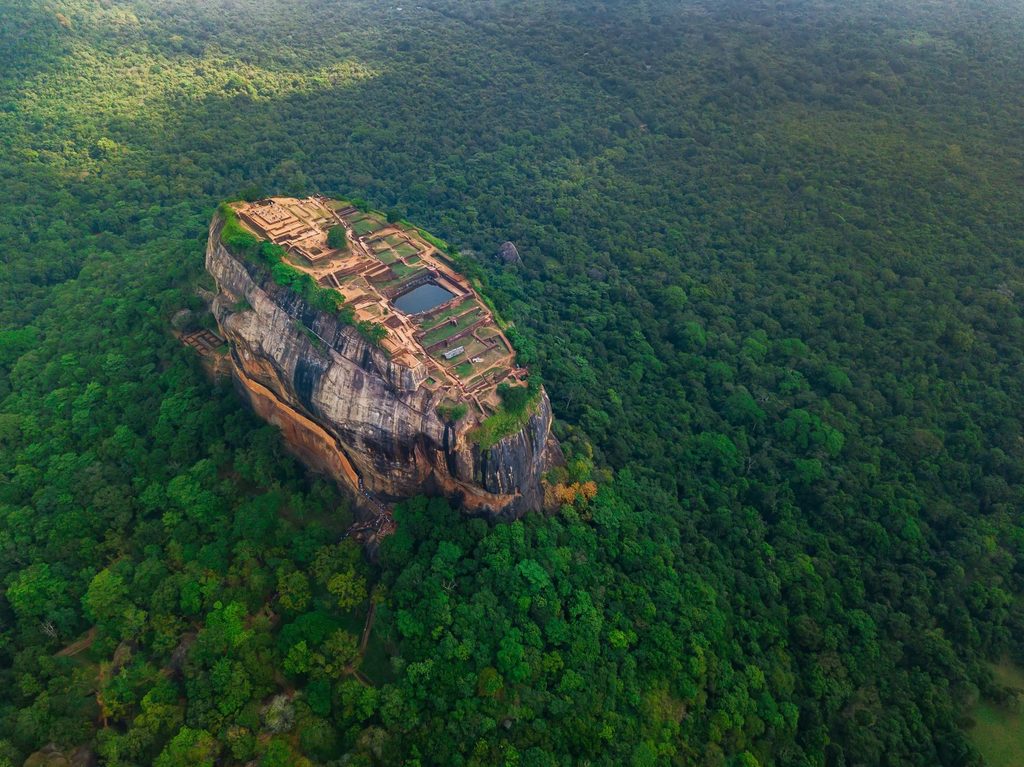
Rising nearly 200 metres above the tropical plains of central Sri Lanka, Sigiriya is one of the country’s most remarkable historical landmarks. Known as Lion Rock, this ancient rock fortress combines extraordinary architecture, fascinating history and spectacular natural scenery. For anyone planning a trip to Sri Lanka, visiting Sigiriya is an experience that offers much more than simply climbing to the top of a famous rock.
Sigiriya Travel

Surrounded by forests, lakes and small traditional villages, Sigiriya creates an impressive first impression. From a distance, the enormous granite formation appears almost out of place against the otherwise flat landscape. Yet, as you get closer, the remains of an ancient royal complex begin to reveal why this extraordinary location has fascinated travellers, historians and archaeologists for generations.

The Fascinating History Behind Sigiriya

Sigiriya’s story dates back to the 5th century, during the reign of King Kashyapa (477–495 AD). After taking the throne, Kashyapa chose this dramatic rock formation as the location for his royal residence and constructed an elaborate fortified palace complex on its summit.

The site was carefully designed with defensive structures, sophisticated water systems, landscaped gardens and royal buildings. Its location provided both strategic advantages and an extraordinary setting for a royal capital.

One of Sigiriya’s most recognisable features is the Lion’s Paw entrance, where two enormous lion paws carved into the rock flank the final staircase leading towards the summit. Although the original lion structure no longer survives, these impressive remains explain how the fortress earned its popular name, Lion Rock.

After King Kashyapa’s death, the palace was abandoned as a royal residence and eventually became a Buddhist monastery. Today, Sigiriya is recognised as a UNESCO World Heritage Site and remains one of the most important archaeological treasures in Sri Lanka.

What to See and Experience at Sigiriya

The journey through Sigiriya is just as interesting as reaching the summit. The archaeological complex contains several remarkable features that reveal the ingenuity of its ancient builders.

The Water Gardens

At the base of the rock, visitors encounter beautifully designed water gardens featuring pools, fountains, waterways and symmetrical landscaping. These gardens demonstrate an impressive understanding of ancient hydraulic engineering. Some of the fountains still function during the rainy season, making them particularly interesting to explore.

The Sigiriya Frescoes

Halfway up the rock, a sheltered gallery contains famous frescoes depicting female figures traditionally associated with celestial maidens. Their vibrant colours and delicate artistic details have survived for centuries, offering a rare glimpse into the artistic traditions of ancient Sri Lanka.

The Mirror Wall

Another fascinating feature is the Mirror Wall, originally polished so smoothly that the king could supposedly see his reflection in it. Over the centuries, visitors left inscriptions and poems on its surface. These ancient writings provide valuable insights into how people experienced and described Sigiriya many centuries ago.

The Lion’s Paw Entrance

Before the final ascent, you’ll reach the famous Lion’s Paw Terrace. The enormous stone paws on either side of the staircase are among the most photographed features of the entire complex. From here, the remaining climb becomes steeper, but the views become increasingly impressive.

The Summit of Lion Rock

Reaching the summit rewards visitors with panoramic views across the surrounding forests, countryside and distant hills. The remains of the ancient palace foundations, water reservoirs and other structures can still be explored. It is difficult not to imagine what this royal complex must have looked like when it was fully occupied more than 1,500 years ago.

The Best Time to Visit Sigiriya

The dry season, generally from December to April, is one of the most comfortable periods to explore Sigiriya. During these months, rainfall is usually lower, making the climb and outdoor sightseeing more manageable.

May to September can also be a good time to visit, although weather conditions vary and occasional rainfall is possible. Temperatures can be high throughout the year, so starting your climb early in the morning is advisable.

If you want to avoid large crowds and the midday heat, aim to arrive around opening time. Early morning also provides softer natural light for photography.

How Long Should You Spend in Sigiriya?

Most visitors need approximately 2–3 hours to climb Lion Rock, explore the archaeological remains and enjoy the views from the summit.

However, spending one or two nights in the surrounding area allows you to discover more of Sri Lanka’s cultural and natural attractions. Sigiriya is conveniently located near several important destinations, making it an excellent base for exploring the country’s Cultural Triangle.

Places to Visit Near Sigiriya

Pidurangala Rock

Located opposite Sigiriya, Pidurangala Rock offers one of the most spectacular views of Lion Rock itself. The climb is shorter but involves some scrambling over rocks near the summit. Sunrise is particularly popular, when the first light illuminates Sigiriya and the surrounding forest.

Dambulla Cave Temple

A short drive from Sigiriya, Dambulla Cave Temple is another UNESCO World Heritage Site. Its impressive collection of Buddhist statues, religious paintings and decorated cave interiors makes it an essential stop for anyone interested in Sri Lanka’s cultural heritage.

Minneriya National Park

For a different experience, consider visiting Minneriya National Park, famous for its seasonal gatherings of wild Asian elephants around the reservoir. Depending on the time of year, visitors may have opportunities to observe elephants, birds and other wildlife in their natural habitat.

Polonnaruwa Ancient City

History enthusiasts should also consider a day trip to Polonnaruwa, one of Sri Lanka’s former royal capitals. The archaeological site features ancient palaces, temples, stupas and impressive stone sculptures, offering another fascinating perspective on the island’s history.

Practical Travel Tips for Visiting Sigiriya

A little preparation can make your visit considerably more comfortable.

  • Wear comfortable footwear: The climb involves numerous stone steps, uneven surfaces and exposed stairways.
  • Bring drinking water: The weather can be hot and humid, particularly during the middle of the day.
  • Dress appropriately: Although Sigiriya is an archaeological attraction, nearby religious sites such as Dambulla require modest clothing.
  • Protect yourself from the sun: Sunscreen, sunglasses and a hat are useful, especially during the ascent.
  • Check the weather: Rain can make certain sections of the climb slippery.
  • Allow enough time: Avoid rushing through the gardens and archaeological features at the base of the rock.

Is Sigiriya Worth Visiting?

Absolutely. Sigiriya is not simply another historical attraction to tick off a travel checklist. It is a place where ancient engineering, royal history, art and natural landscapes come together in an extraordinary setting.

From wandering through the ancient water gardens to climbing the Lion’s Paw staircase and looking across the endless green landscape from the summit, every part of the experience offers something different.

If you’re planning a journey through Sri Lanka, make room for Sigiriya. Whether you spend a few hours exploring the fortress or several days discovering the surrounding Cultural Triangle, this remarkable destination offers a deeper appreciation of the island’s history and heritage.

Some places tell you about the past. Sigiriya allows you to walk through it.
Must-Try Food in Japan: A Journey Through the Country’s Most Beloved Flavours

Japan is a country where food is more than something to enjoy between sightseeing stops. It is part of the culture, history and everyday rhythm of life. From steaming bowls of ramen in a tiny neighbourhood shop to beautifully prepared sushi at a traditional counter, every meal offers a glimpse into the country’s unique relationship with ingredients, craftsmanship and seasonality.

Whether you are wandering through Tokyo’s lively streets, exploring Kyoto’s traditional neighbourhoods or discovering Osaka’s energetic food scene, Japanese cuisine has something memorable waiting around every corner.

If you are planning your first trip, here are some of the must try food in Japan that deserve a place on your culinary journey.

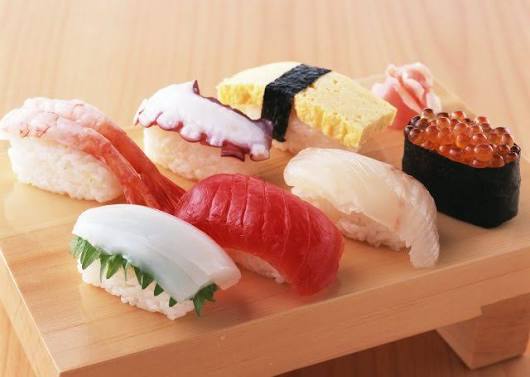
japanese Sushi - a Must-Try Food in Japan

1. Sushi – The Art of Japanese Simplicity

No culinary journey through Japan feels complete without trying authentic sushi. Fresh seafood, carefully seasoned rice and years of culinary craftsmanship come together in a dish that looks simple but requires extraordinary attention to detail.

In Tokyo, visit a traditional sushi restaurant or explore the lively food stalls around Tsukiji Outer Market. Watching a sushi chef prepare each piece by hand is an experience in itself. From tuna and salmon to delicate sea urchin, every bite highlights the natural flavour of the ingredients.

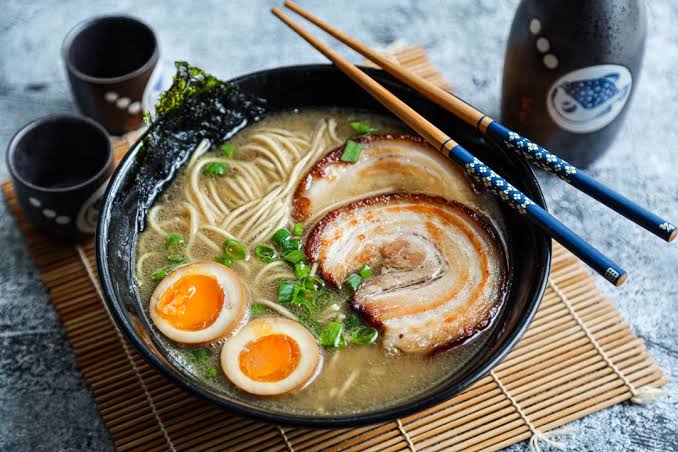
japanese ramen is an umissable food to taste in Japan

2. Ramen – Comfort in Every Bowl

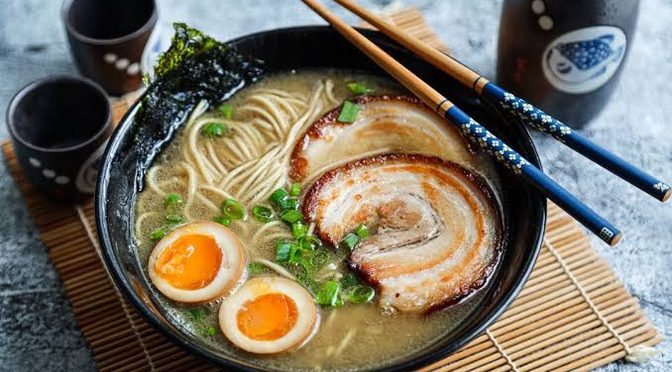
Ramen is one of Japan’s most recognisable comfort foods, and no two bowls are necessarily the same. Rich pork-bone tonkotsu, soy-based shoyu, miso ramen and lighter shio broth each offer a different taste of Japanese culinary traditions.

Tokyo is particularly well known for its diverse ramen culture, with countless independent shops experimenting with broths, noodles and toppings. In Kyoto, you can also discover distinctive local ramen styles, while Osaka offers plenty of casual neighbourhood ramen shops.

A steaming bowl of ramen after a long day of exploring is one of those simple travel experiences that stays with you.

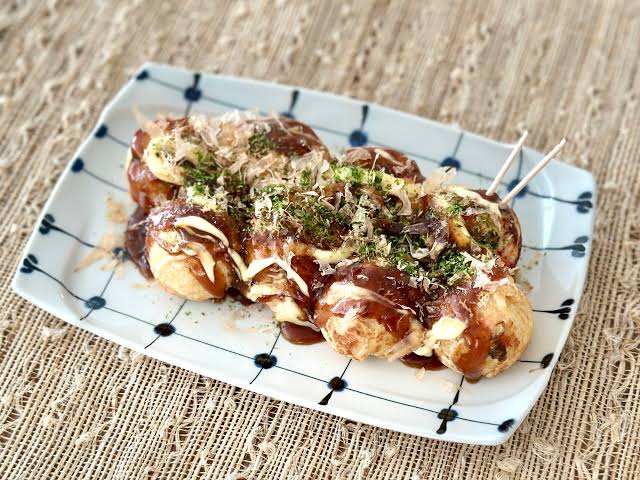
japanese Takoyaki - top 10 dishes to try in japan

3. Takoyaki – Osaka’s Famous Street Food

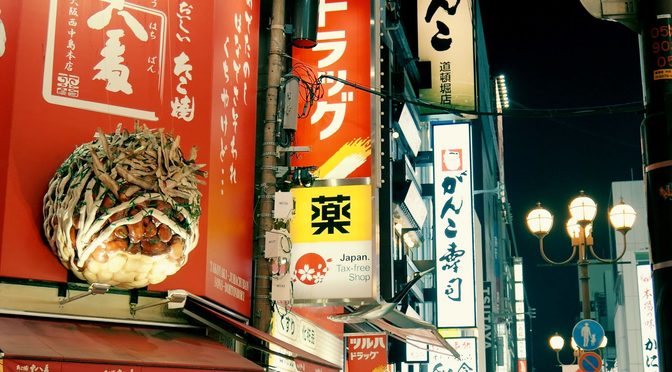
If there is one food that captures the personality of Osaka, it has to be takoyaki, a must-try food in Japan. These small, golden batter balls are filled with pieces of octopus, cooked in specially shaped moulds and topped with savoury sauce, mayonnaise, dried bonito flakes and seaweed.

The best way to enjoy them is freshly made from a street stall, when the outside is lightly crisp and the inside remains deliciously soft.

During your Osaka Travel experience, head to the lively Dotonbori district, where the aroma of freshly cooked takoyaki fills the streets. Just be careful with the first bite – the filling can be surprisingly hot!

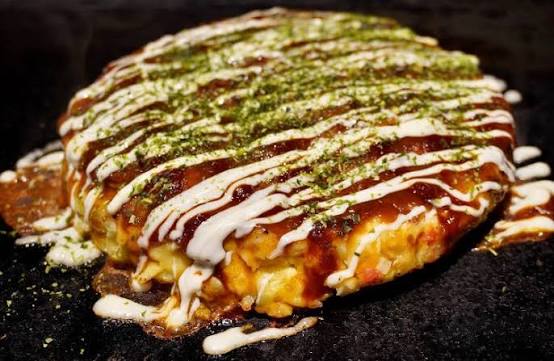
japanese Okonomiyaki

4. Okonomiyaki – Japan’s Savoury Pancake

Often described as a Japanese savoury pancake, okonomiyaki combines cabbage, batter, meat or seafood, and a variety of toppings. Its name roughly translates to “grilled as you like it”, reflecting the flexibility of this much-loved dish.

Osaka has its own famous version, where ingredients are mixed together before cooking. Hiroshima-style okonomiyaki, on the other hand, layers its ingredients and often includes noodles.

Both versions are worth trying, especially at small restaurants where you can watch the dish being prepared on a hot iron griddle right in front of you.

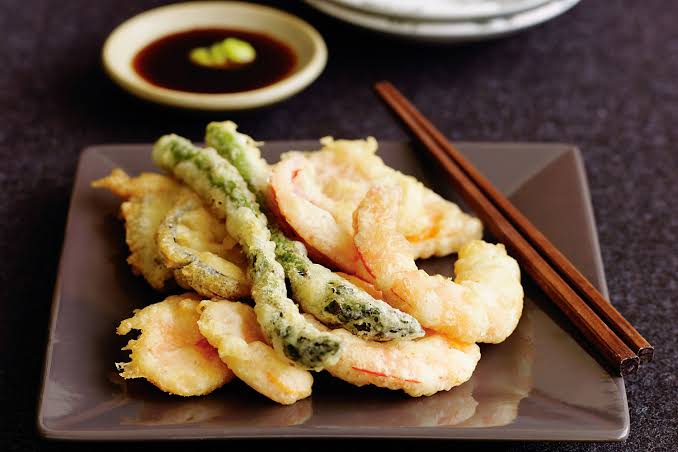
japanese Tempura

5. Tempura – Must-Try Food in Japan: a Delicate Taste of Japanese Craftsmanship

Tempura demonstrates how Japanese cooking can turn simple ingredients into something exceptional. Seafood and seasonal vegetables are lightly coated in batter and deep-fried until crisp and golden.

Unlike heavier fried dishes, good tempura has a delicate texture that allows the natural flavour of each ingredient to shine through.

Try shrimp, pumpkin, sweet potato, eggplant or seasonal vegetables with a little salt or dipping sauce. In Kyoto, you can find refined tempura restaurants that showcase seasonal ingredients, while Tokyo offers everything from traditional specialist restaurants to casual tempura rice bowls.

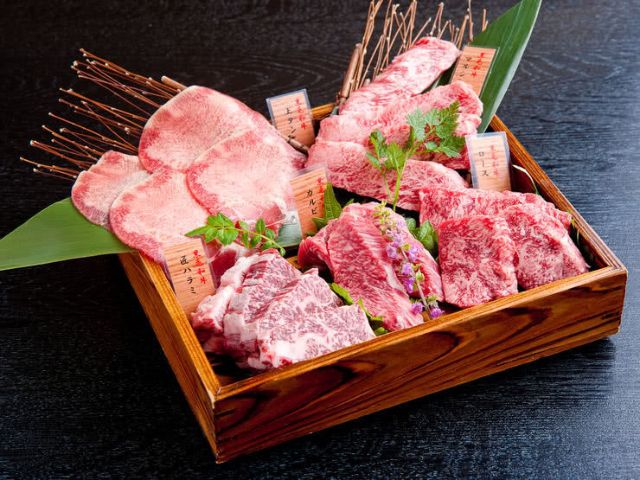
japanese Wagyu Beef

6. Wagyu Beef – A Special Culinary Experience

For meat lovers, Japanese Wagyu is an experience worth making time for. Famous for its beautiful marbling, tenderness and rich flavour, Wagyu is often served as grilled steak, yakiniku or sukiyaki.

Rather than rushing through a meal, take your time and appreciate the quality of the beef. Different regions produce their own celebrated varieties, including Kobe beef from Hyogo Prefecture.

If your journey includes Osaka or Kyoto, look for reputable restaurants offering regional Wagyu specialties. It can be an expensive meal, but it is a memorable way to experience another side of Japanese food culture.

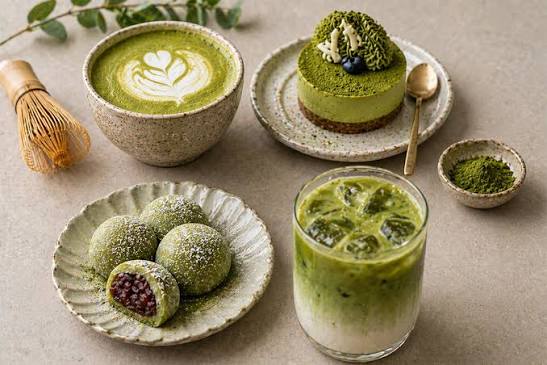
japanese Matcha Desserts

7. Matcha Desserts – A Taste of Kyoto’s Tea Culture

Kyoto is one of Japan’s most important destinations for traditional tea culture, making it an excellent place to explore matcha-based desserts.

From matcha ice cream and parfaits to delicate cakes and traditional Japanese sweets, the distinctive earthy bitterness of green tea creates a beautiful balance with sweetness.

Visit the historic streets around Gion or explore the tea shops in Uji, a town just south of Kyoto famous for its high-quality green tea. Enjoying a matcha dessert after visiting a traditional temple or tea house makes for a particularly memorable Kyoto Travel experience.

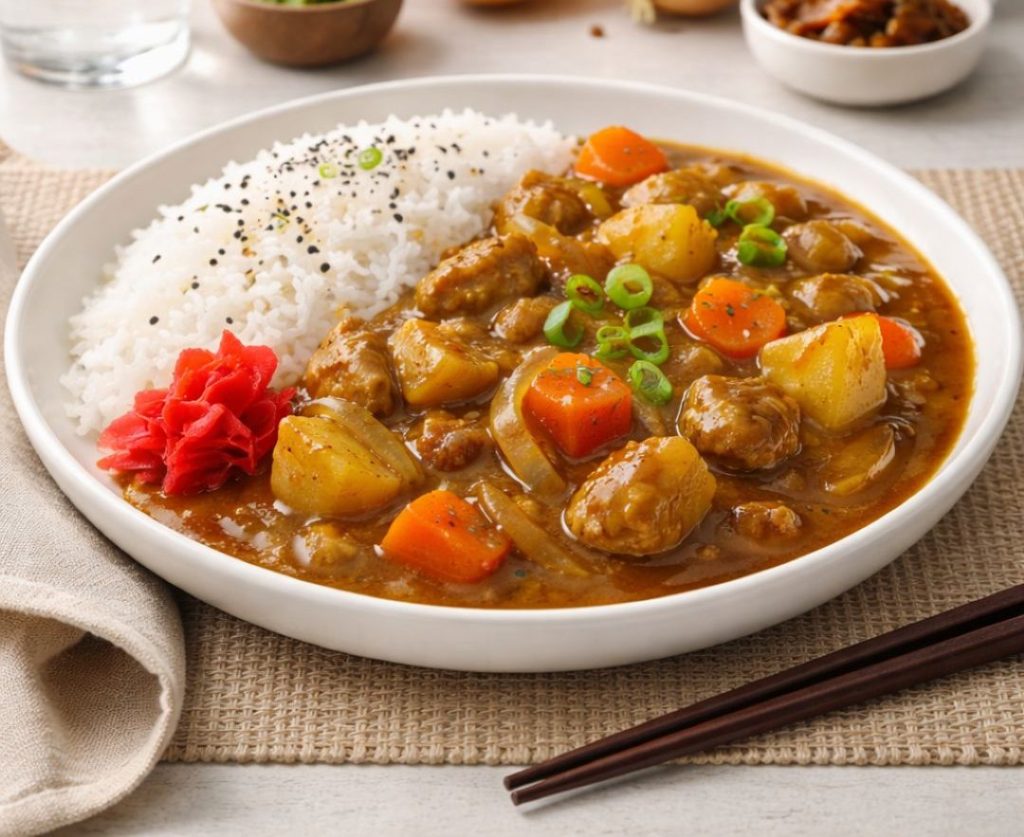
Japanese Curry

8. Japanese Curry – An Everyday Favourite

Japanese curry is different from the spicy curries found across South and Southeast Asia. It is generally thicker, milder and slightly sweet, with a comforting combination of vegetables and a rich curry sauce.

It is commonly served with steamed rice and toppings such as crispy pork katsu, chicken or vegetables.

Although it is considered everyday comfort food in Japan, that is exactly what makes it worth trying. Look for small local curry restaurants and discover why this simple dish has become such a favourite among Japanese people.

Japanese Yakitori

9. Yakitori – Grilled Goodness on a Skewer

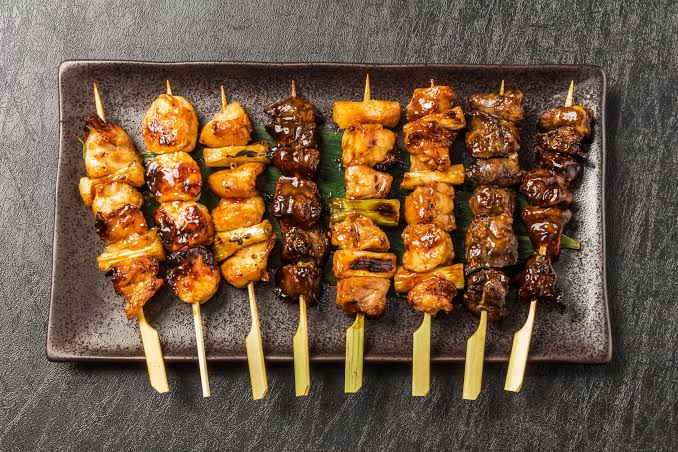
Yakitori consists of bite-sized chicken pieces grilled over charcoal on bamboo skewers. Different cuts are seasoned with either salt (shio) or a sweet-savoury soy-based glaze (tare).

From juicy chicken thigh to crispy skin and grilled chicken meatballs, each skewer offers a slightly different texture and flavour.

For a more local dining experience, visit an izakaya or a small yakitori restaurant in Tokyo. These informal places are perfect for enjoying grilled food, Japanese drinks and the lively atmosphere of everyday dining.

Japanese Taiyaki
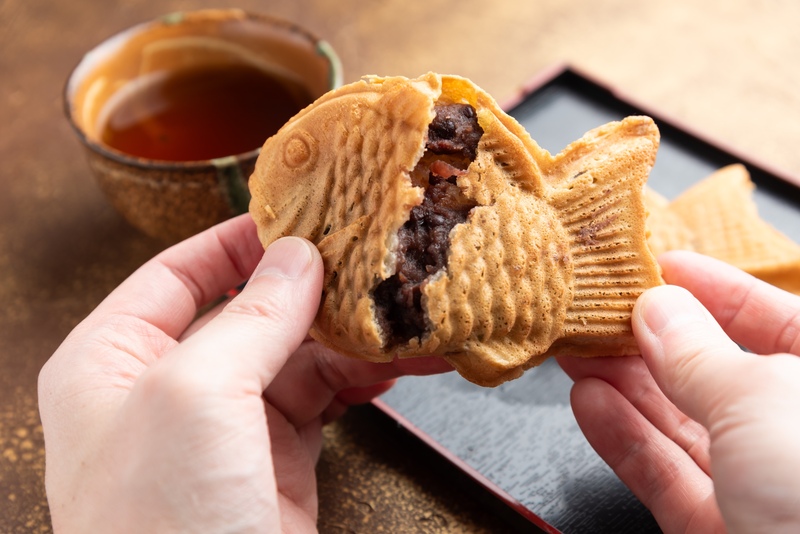
Taiyaki with traditional Japanese red bean paste

10. Taiyaki – A Sweet Street Food Treat

Shaped like a fish, taiyaki is a popular Japanese snack made from a soft, lightly crisp batter filled traditionally with sweet red bean paste.

Today, you can also find custard, chocolate, sweet potato and other creative fillings.

It is especially enjoyable when bought fresh from a street vendor, with a warm filling and a golden exterior. Pick one up while exploring Tokyo’s traditional shopping streets or browsing local markets.

Where to Discover Japan’s Food Culture

Each Japanese city offers a different culinary personality, so exploring local food is an excellent way to experience the country beyond its famous attractions.

Tokyo – A World of Culinary Possibilities

From sushi counters and ramen shops to bustling food markets and elegant dining experiences, Tokyo offers an extraordinary variety of Japanese cuisine. For more inspiration, a Tokyo Travel Guide should include Tsukiji Outer Market, Shinjuku’s restaurants and the traditional streets of Asakusa.

Kyoto – Traditional Flavours and Seasonal Ingredients

Kyoto is the place to discover a more delicate side of Japanese cuisine. Beyond matcha desserts, look for kaiseki dining, yudofu (tofu hot pot), traditional wagashi sweets and seasonal vegetable dishes. Kyoto’s food culture reflects its long history, connection to temples and appreciation of seasonal ingredients.

Osaka – Japan’s Kitchen

Osaka is famous for its relaxed dining culture and delicious street food. Takoyaki, okonomiyaki and kushikatsu (deep-fried skewers) are among the local favourites. Dotonbori is an excellent starting point, but exploring smaller neighbourhood restaurants can be just as rewarding.

A Culinary Journey Worth Taking

Food is one of the most enjoyable ways to understand Japan. A bowl of ramen in a quiet Tokyo neighbourhood, freshly grilled takoyaki in Osaka or a delicate matcha dessert in Kyoto can reveal something about local traditions that sightseeing alone might miss.

The real pleasure is not simply ticking famous dishes off a list. It is discovering the small restaurants, meeting the people behind the food and experiencing the flavours that make each destination unique.

So, when planning your next Japanese adventure, leave some room in your itinerary for spontaneous food discoveries. Some of your most memorable moments may happen around a dining table rather than at a famous landmark.

Planning Ahead? Why Vietnam is the Perfect Long-Haul Counterpart to Your Jet2 Summer Plans

If your social feeds have been flooded with travel news this week, you’ve likely seen that Jet2 has already dropped its holiday destinations list all the way out to 2027. It seems the British public is wasting no time locking in their future summer sunshine, with thousands scrambling to secure those popular beach spots early.

But while booking your short-haul summer getaway two years in advance is a fantastic way to beat the winter blues, it begs another question: what about this year’s big adventure?

If you’ve already got your European summer sorted, it might be time to look a little further on the horizon. For British travellers seeking a total change of pace, a rich cultural escape, and incredible value, Vietnam is the ultimate long-haul counterpart to your travel calendar.

Here is why swapping a quick flight for a long-haul journey to Southeast Asia is the best travel decision you can make this season.

The Ultimate Contrast to a Fly-and-Flop Holiday

There is a time and place for a relaxing resort holiday where your biggest decision is choosing between the pool or the beach. But Vietnam offers something that feeds the soul: pure, unadulterated exploration.

A trip here is an invitation to immerse yourself in a world that feels beautifully removed from daily life in the UK. One day you are dodging vintage Vespas in Hanoi’s chaotic, atmospheric Old Quarter; the next, you are cruising past the towering limestone karsts of Ha Long Bay or watching the sunrise over the misty rice terraces of Sapa. It is the perfect antidote for those who want their annual leave to feel like a true journey.

World-Class Culture and Cuisine (On a Budget)

While the cost of dining out in the UK continues to climb, Vietnam remains famously gentle on the wallet, offering some of the best value in the travel world.

The food scene alone is worth the flight. You can sit on a tiny plastic stool on a buzzing street corner, enjoying a steaming bowl of fragrant, fresh Phở or a crispy Bánh mì for less than the price of a takeaway coffee back home. From high-end boutique hotels in Hoi An to authentic homestays in the Mekong Delta, your money simply goes vastly further here, allowing you to indulge in a bit of luxury without the European price tag.

Gentle, Genuine Hospitality

Perhaps the greatest joy of travelling through Vietnam is the warmth of the people. Vietnamese hospitality is legendary – deeply welcoming, proud, and genuinely curious. Whether you are having a suit tailored in the historic streets of Hoi An or exploring the vast caves of Phong Nha-Ke Bang, you are met with a level of hospitality that makes the long flight completely worthwhile.

Two Different Holidays, One Perfect Year of Travel

Planning ahead with operators like Jet2 is smart, but balancing those easy European summers with a deep, experiential long-haul trip is how you create a truly unforgettable travel diary.

Vietnam doesn’t compete with your summer holiday plans; it complements them. It asks for a little more flight time, but in return, it gives you memories, flavours, and stories that will last a lifetime.

Things to Do in Osaka: Discovering the City Beyond Dotonbori and Osaka Castle

Osaka is often introduced through its most recognizable sights: the bright neon lights of Dotonbori, the impressive walls of Osaka Castle, and the endless rows of restaurants serving some of Japan’s most famous street food. These places deserve a visit, but they only reveal part of what makes Osaka such an interesting city to explore.

Beyond the familiar landmarks, Osaka has a different rhythm. Old shopping streets run through residential neighborhoods, small restaurants serve local specialties without much attention to tourists, and riverside districts offer a quieter perspective on a city known for its lively atmosphere.

If you are planning a trip to Osaka, spending time beyond its famous attractions can make the experience more rewarding. Here are some places to visit and experiences to enjoy while discovering another side of Japan’s vibrant food capital.

osaka-travel-guide

1. Explore Dotonbori After Dark

Dotonbori is one of those places that feels completely different depending on when you visit.

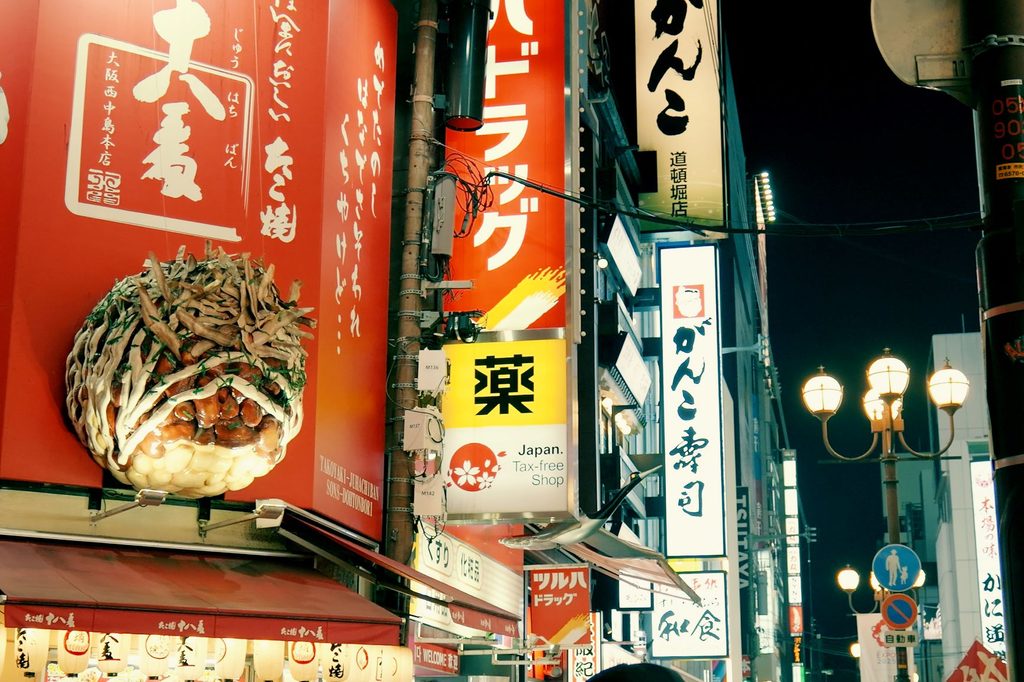
During the day, the streets are busy with shoppers, restaurant visitors, and travelers photographing the famous Glico Running Man sign. As evening approaches, the neon lights illuminate the canal, reflecting across the water and creating one of Osaka’s most recognizable city scenes.

The best way to experience Dotonbori is simply to walk without rushing. Follow the canal, explore the smaller streets, and stop whenever something catches your attention.

Food is an essential part of the experience. Osaka is particularly famous for takoyaki, the hot octopus-filled balls cooked in special molds, and okonomiyaki, a savory pancake made with cabbage and various toppings.

You will find plenty of opportunities to try both throughout the district.

However, Dotonbori is not necessarily where you need to spend an entire day. It is a place to experience Osaka’s energy, enjoy its food culture, and appreciate the atmosphere after sunset.

2. Discover Osaka Castle and Its Surrounding Park

Osaka Castle is one of Japan’s most recognizable historical landmarks.

Surrounded by impressive stone walls, wide moats, and extensive parkland, the castle stands as a reminder of Osaka’s important role in Japanese history.

The present castle tower is a reconstruction, but the surrounding grounds retain a remarkable sense of scale. Walking through the park gives you an opportunity to appreciate the defensive architecture and the enormous stones used in the castle’s foundations.

Rather than visiting only the castle tower, allow some time to explore the surrounding grounds.

The park is particularly enjoyable during spring, when cherry blossoms transform the landscape, and during autumn, when the changing leaves bring warmer colors to the historic surroundings.

It is also a pleasant place to take a break from Osaka’s busy shopping streets.

3. Walk Through Shinsekai and Discover Old Osaka

If Dotonbori represents modern Osaka’s lively entertainment culture, Shinsekai offers a different atmosphere.

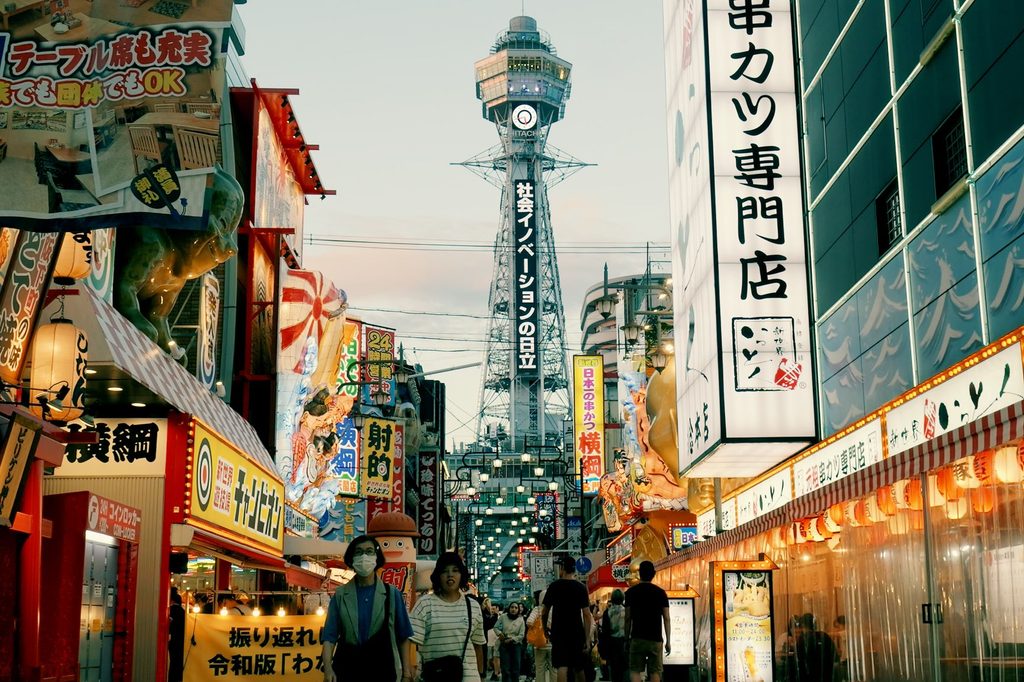
This neighborhood has a nostalgic character, with colorful signs, traditional eateries, small shops, and streets that feel closely connected to Osaka’s older urban identity.

The Tsutenkaku Tower rises above the district, becoming a familiar landmark as you walk through the surrounding streets.

Shinsekai is particularly famous for kushikatsu, a local specialty consisting of meat, seafood, and vegetables coated in breadcrumbs and deep-fried on skewers.

You can find restaurants serving different varieties, from simple neighborhood establishments to more established dining spots.

Walking around Shinsekai is less about following a strict sightseeing route and more about enjoying the atmosphere. Look at the storefronts, explore the smaller streets, and take time to notice the details that make the neighborhood distinctive.

It is an interesting contrast to Osaka’s more polished shopping districts.

osaka-travel-things-to-do-in-osaka

4. Experience Osaka’s Local Food Culture

Osaka has a reputation as one of Japan’s great food cities, and eating is one of the most enjoyable ways to understand its character.

The expression kuidaore, often associated with Osaka, describes the idea of eating until you spend yourself into financial ruin. While it is not something to take literally, it captures the city’s enthusiasm for good food.

Beyond takoyaki and okonomiyaki, there are several other specialties worth trying.

Kitsune udon is a comforting bowl of noodles topped with sweetened fried tofu. Kushikatsu offers a variety of fried ingredients served on skewers. Osaka-style sushi and local seafood dishes provide another perspective on the city’s culinary traditions.

For a more everyday experience, explore the shopping arcades and neighborhood streets.

These areas often contain small restaurants, bakeries, coffee shops, and food stalls that cater to local residents rather than sightseeing crowds.

You do not need to plan every meal in advance. Sometimes, the most interesting discovery is a restaurant you happen to walk past.

Kuromon Ichiba Market

5. Visit Kuromon Ichiba Market

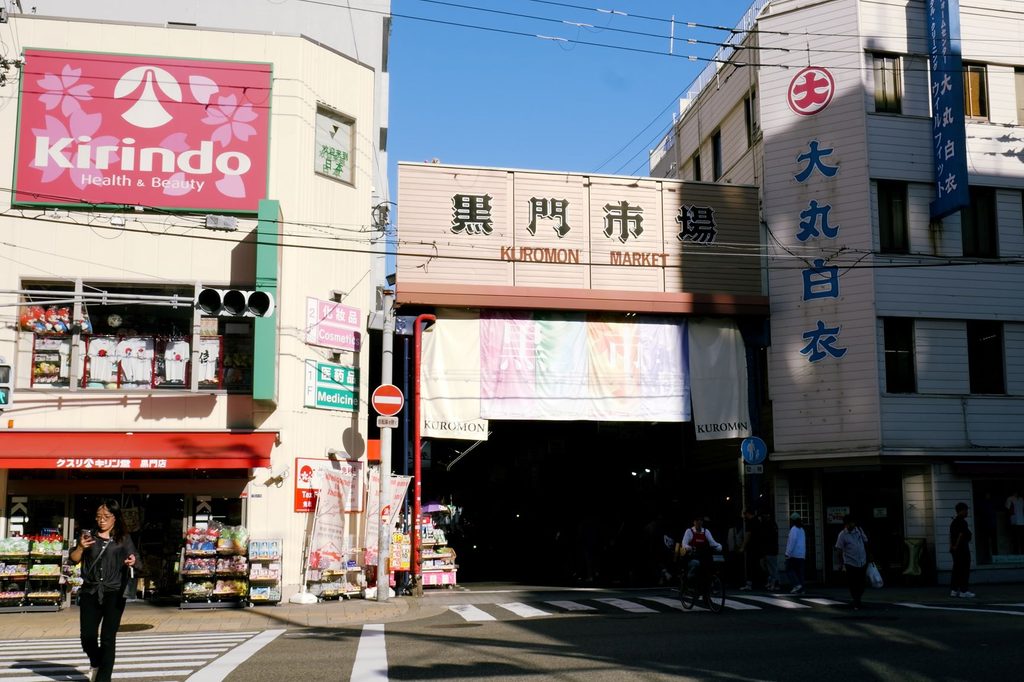
Kuromon Ichiba Market is a popular destination for travelers interested in Osaka’s food culture.

The market has a long history of supplying fresh ingredients to restaurants and local businesses. Today, it also attracts visitors looking to sample seafood, Japanese snacks, seasonal produce, and other specialties.

Walking through the market gives you a closer look at the variety of ingredients used in Japanese cooking.

Depending on the season, you may find fresh seafood, grilled items, fruit, traditional sweets, and prepared dishes.

It is worth visiting with an appetite, but keep in mind that prices and portion sizes vary between vendors.

The market can become crowded, particularly around lunchtime, so visiting earlier in the day may provide a more comfortable experience.

Rather than treating Kuromon Ichiba as a place to eat one large meal, consider sampling a few smaller dishes while exploring.

6. Explore Osaka’s Traditional Shopping Streets

One of the most interesting ways to experience Osaka is through its shotengai, traditional covered shopping streets.

These arcades are part of everyday life in many Japanese neighborhoods. They bring together supermarkets, clothing shops, restaurants, bakeries, pharmacies, and small independent businesses under one roof.

Unlike the large commercial districts, shopping streets often have a more local atmosphere.

You may see residents stopping for groceries, students meeting friends, or shopkeepers preparing their businesses for the day.

Tenjinbashisuji Shopping Street is particularly notable for its length and variety of shops.

Walking through it provides an opportunity to experience Osaka at a slower pace, away from the concentrated sightseeing areas.

These streets are also useful places to discover inexpensive meals, everyday Japanese products, and local snacks.

7. Enjoy the Views from Umeda

Osaka’s Umeda district offers a different perspective on the city.

This is one of Osaka’s major commercial centers, with large department stores, shopping complexes, restaurants, and railway stations connecting different parts of the region.

The area can feel busy and modern, particularly around Osaka Station.

For a memorable city view, visit the Umeda Sky Building.

Its Floating Garden Observatory provides panoramic views across Osaka, revealing the city’s enormous urban landscape.

From above, the contrast between the dense city center, surrounding residential neighborhoods, and distant mountains becomes much easier to appreciate.

The observation deck is particularly attractive around sunset, when the city gradually transitions from daylight into its evening lights.

If you prefer to stay at street level, Umeda is also an excellent place for shopping, dining, and exploring Osaka’s contemporary side.

8. Take a Riverside Walk Along Nakanoshima

Nakanoshima offers a quieter experience in the middle of Osaka.

Located between two rivers, this area is known for its historic buildings, cultural institutions, landscaped spaces, and riverside promenades.

It feels different from the crowded entertainment districts, with more opportunities to walk, relax, and appreciate the city’s architecture.

The district is home to the Osaka City Central Public Hall, a striking historic building with a distinctive red-brick exterior.

Nearby, you can find museums, cafés, and other cultural attractions.

The riverside paths are particularly pleasant when the weather is comfortable.

If you have already spent time exploring Osaka’s shopping streets and busy attractions, Nakanoshima provides a useful change of pace.

It is also a good area for photography, especially when the historic architecture is reflected in the surrounding water.

9. Visit Sumiyoshi Taisha Shrine

For a deeper connection with Osaka’s traditional side, consider visiting Sumiyoshi Taisha.

This important Shinto shrine has a history stretching back many centuries and is associated with the protection of travelers, sailors, and maritime activities.

Its architecture is particularly distinctive.

The shrine’s main buildings follow a traditional style known as Sumiyoshi-zukuri, characterized by their simple forms and carefully arranged structures.

One of its most recognizable features is the beautiful arched Sorihashi Bridge, which rises above a pond near the entrance.

Walking across the bridge and exploring the shrine grounds offers a peaceful experience away from the city’s busiest districts.

The surrounding neighborhood also provides a glimpse of a more residential side of Osaka.

If you are interested in Japanese history, architecture, or traditional religious practices, Sumiyoshi Taisha is worth including in your itinerary.

10. Experience Osaka’s Nightlife Beyond Dotonbori

Osaka is a city that becomes particularly lively after dark.

While Dotonbori attracts much of the attention, other neighborhoods offer different ways to spend an evening.

Around Umeda, you will find restaurants, bars, and entertainment venues catering to a wide range of visitors.

Namba has a mixture of shopping streets, casual dining, and nightlife.

For a more relaxed evening, explore smaller streets where local restaurants serve Japanese dishes in a less crowded setting.

You might find a small izakaya, a traditional Japanese pub, where people gather for drinks and shared dishes after work.

These establishments are often more about atmosphere than elaborate dining.

If you enjoy exploring cities through their food and nightlife, Osaka offers plenty of opportunities to spend an evening without following a fixed plan.

Want to see what Osaka looks like beyond its famous landmarks? Watch my Osaka travel vlog on YouTube and explore the city’s streets, attractions, and everyday atmosphere through our own travel experience.

From its lively streets to its distinctive urban scenery, the video offers another way to experience Osaka before planning your own journey.

Practical Tips for Visiting Osaka

How many days should you spend in Osaka?

Two to three days is a reasonable amount of time for exploring Osaka’s major attractions, food districts, and neighborhoods.

If you also want to visit nearby destinations such as Kyoto, Nara, or Kobe, consider staying longer or planning separate day trips.

When is the best time to visit Osaka?

Spring and autumn are generally attractive seasons for sightseeing.

March and April bring the possibility of cherry blossoms, while October and November often offer comfortable temperatures and autumn foliage.

Summer can be hot and humid, while winter is generally colder but suitable for city sightseeing.

How do you get around Osaka?

Osaka has an extensive public transportation network, including subway lines, railway services, and buses.

The subway is particularly useful for moving between major sightseeing districts.

For most visitors, walking combined with public transportation is the easiest way to explore the city.

Where should you stay?

Namba is convenient for restaurants, nightlife, and access to Dotonbori.

Umeda is a practical choice for shopping, transportation connections, and exploring northern Osaka.

Both areas provide access to many of the city’s main attractions.

Final Thoughts: Discovering a Different Side of Osaka

Osaka is more than its famous neon signs, historic castle, and popular food streets.

It is a city where traditional shopping arcades sit alongside modern commercial districts, where historic shrines provide quiet moments between busy streets, and where local restaurants remain an essential part of everyday life.

The most rewarding experiences often come from allowing yourself time to explore beyond the obvious attractions.

Walk through a neighborhood shopping street, stop for a bowl of udon, discover a riverside promenade, or visit a shrine that feels far removed from the city’s busy center.

These smaller experiences help reveal the character of Osaka.

And while Dotonbori and Osaka Castle remain essential stops for first-time visitors, the city becomes much more interesting when you look beyond them.

Osaka is not simply a destination to see. It is a city to explore, taste, and experience at your own pace.

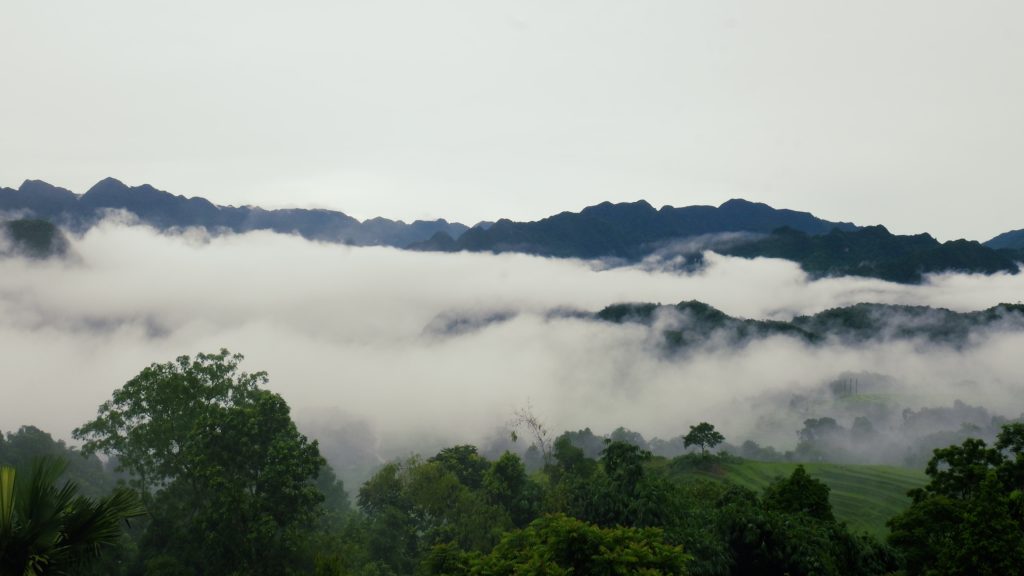
Pu Luong Nature Reserve, Vietnam – a mesmerizing destination

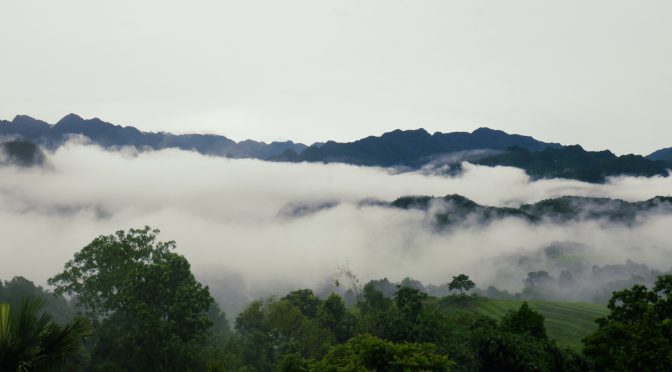
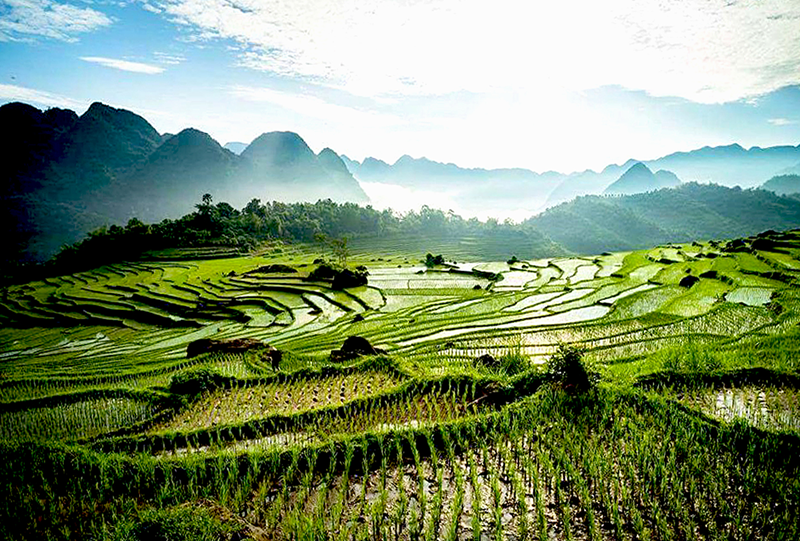
Situated around 160km (99 miles) southwest of Hanoi, Pu Luong Nature Reserve is a hidden gem offering serene landscapes, stunning trekking, and rich cultural values. This place is still a hidden gem to travel in Vietnam.

pu-luong-nature-reserve-vietnam

To travel to Pu Luong Nature Reserve from Hanoi, travelers can get a private car for the shortest drive, use a tourism bus, or drive a motorbike for adventure. It takes roughly 4.5 hours to travel from Hanoi to Pu Luong. The timing can be slightly different depending on the traffic. 

Besides, if you wish to visit Ninh Binh before or after the getaway in Pu Luong Nature Reserve can drive or take local buses to travel between the 2 destinations without returning to Hanoi.

With moderate weather, Pu Luong Nature Reserve is good to travel to all year round. Its peak seasons are the 2 rice crops of the year, when the landscape is covered with stunning terraced rice fields. If you plan to see the rice fields in Pu Luong, you can travel from March to May and from July to September. 

With its impressive scenery, delicious cuisine, Pu Luong has gradually become a weekend getaway for domestic travelers. To see the best of Pu Luong, it’s suggested to stay there 2 to 3 days. Meanwhile, some travelers make a half-day trek in Pu Luong when driving from Mai Chau to Ninh Binh. Only a 1.5-hour drive from Pu Luong Nature Reserve is Mai Chau Valley, an idyllic and peaceful valley for trekking and cycling to the local villages. You can combine these two destinations for a Mai Chau Pu Luong 3 days 2 nights tour from Hanoi. 

Trekking

The terrain in Pu Luong is suitable for trekking. There are different routes that a traveler can decide to go from a couple of km to 20km, depending on their level. There are local villages of some minority ethnic groups in Pu Luong for trekking, such as Don village, Hieu Village, Kho Muong Village, etc.

During your trek in Pu Luong Nature Reserve, you can explore the pristine jungle, pass by the cool streams, visit plunging Hieu waterfall, and visit local families to learn about their daily life. Pu Luong Peak, at 1700m high, is also a challenge for your conquer if you’re an adventurer at heart. The Pu Luong Summit hike is truly an off-the-beaten path in Vietnam.

River Rafting

While trekking in Pu Luong Nature Reserve Vietnam, you can make a stop for river rafting over the Cham River. A local person will take you along the river. For your safety, the rafting distance can be different depending on the water current on the day.

Observe the waterwheels in Pu Luong

Walking through the rice fields, you will find a system of waterwheels in Pu Luong and learn about the traditional way of pumping water in rice fields. 

Besides the landscape, travelers also have impressions of the local cuisine in Pu Luong. Here are some indigenous local dishes for your taste: 

Co Lung Grilled Duck 

Ducks are raised naturally in Co Lung village and marinated with forest herbs before being grilled over charcoal. The taste, therefore, is smoky, tender, and savoury.

Grilled Stream Fish

Visitors can enjoy freshwater fish caught from local streams in Pu Luong. The fish, sometimes wrapped in banana leaves to retain its freshness. 

Wild Boar Meat

Free-roaming boars from the mountains are yielding lean and with a flavorful taste. The meat can be grilled, stewed, or steamed with local herbs, which is a unique signature of the  Pu Luong region. 

Bamboo Shoots

Wild bamboo shoots are found in the jungles by the locals while on their way to the fields. The bamboo shoot is a typical and tasty dish that is favoured by both locals and travelers. The most common way to cook the bamboo shoots is to stir-fry or boil. 

5 recommended places to visit for first-time travelers to China

places-to-visit-in-china

People from the West might wonder whether it’s worth seeing China. Abounding majestic historical constructions such as the Great Wall, the Imperial Citadel, the Terracotta Army, etc., colorful culture, fascinating culture, the answer is yes, China is worth traveling to, especially if you’re interested in history, culture, food, nature, or rapid modernization. 

China is located in East Asia, and it’s the third-largest country in the world by area (after Russia and Canada) and the most populous country. China borders a number of countries. Hence, after visiting China, you also can combine a trip to one of its neighbors, such a Vietnam travel trip.

East: Pacific Ocean (including the East China Sea and South China Sea)

North: Mongolia, Russia

West: Kazakhstan, Kyrgyzstan, Tajikistan, Afghanistan, Pakistan

South: India, Nepal, Bhutan, Myanmar (Burma), Laos, Vietnam

Southeast: Close to Taiwan, the Philippines, and other parts of Southeast Asia

China is a large country, and the weather is distinctly divided into 4 seasons. The best time to travel to China is generally in spring (April–May) and autumn (September–October). These months offer the most pleasant weather, fewer extremes, and beautiful scenery. Keep in mind that this is a super-populated country, and I highly suggest avoiding the public holiday when domestic travelers cause you to wait in a long queue for sightseeing. 

Here are five recommended places to visit for first-time travelers to China, offering a mix of history, culture, nature, and modern life:

Beijing (Historical and Cultural Hub)

It’s the capital and a perfect introduction to China’s imperial past and political present.

Unmissable spots to see in Beijing are the Great Wall, Forbidden City, Summer Palace, Temple of Heaven, and Tiananmen Square.

Xi’an (Ancient Capital)

Xi’an is a lovely ancient capital city. It’s the starting point of the Silk Road and home to some of China’s oldest and most iconic relics.

Favourite places to explore in Xi’an include the Terracotta Army, the Ancient City Wall, the Big Wild Goose Pagoda, and the Muslim Quarter.

Shanghai

Shanghai, a modern Metropolis,  is an impressive city where traditional Chinese culture meets futuristic skyscrapers and international flair.

Highlighted places to check out in Shanghai are the Bund, Oriental Pearl Tower, Yu Garden, Nanjing Road, French Concession. Additionally, from Shanghai, travelers can catch express trains to visit Hangzhou. 

Zhangjiajie National Park China

Zhangjiajie National Park

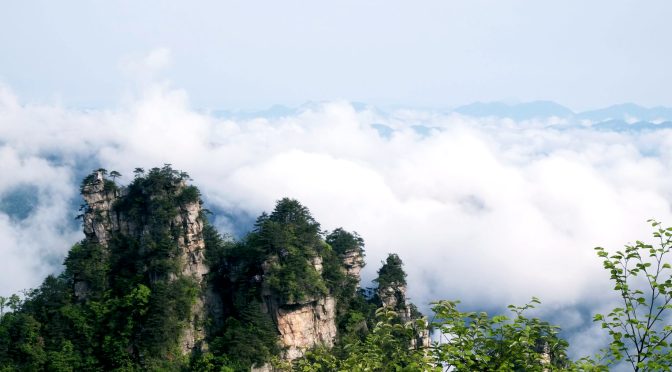
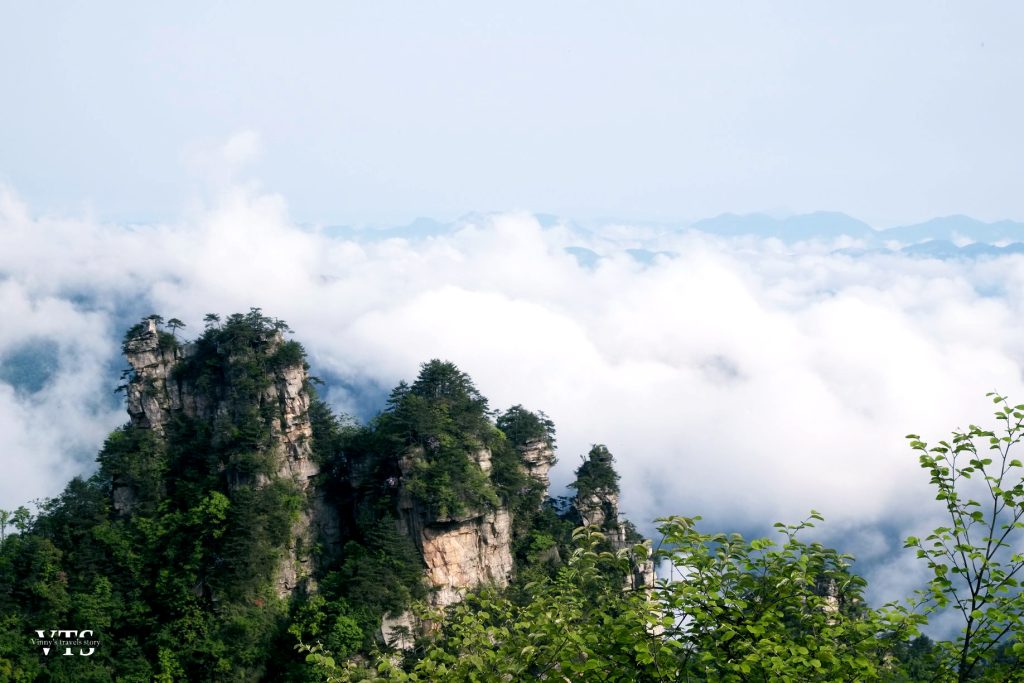
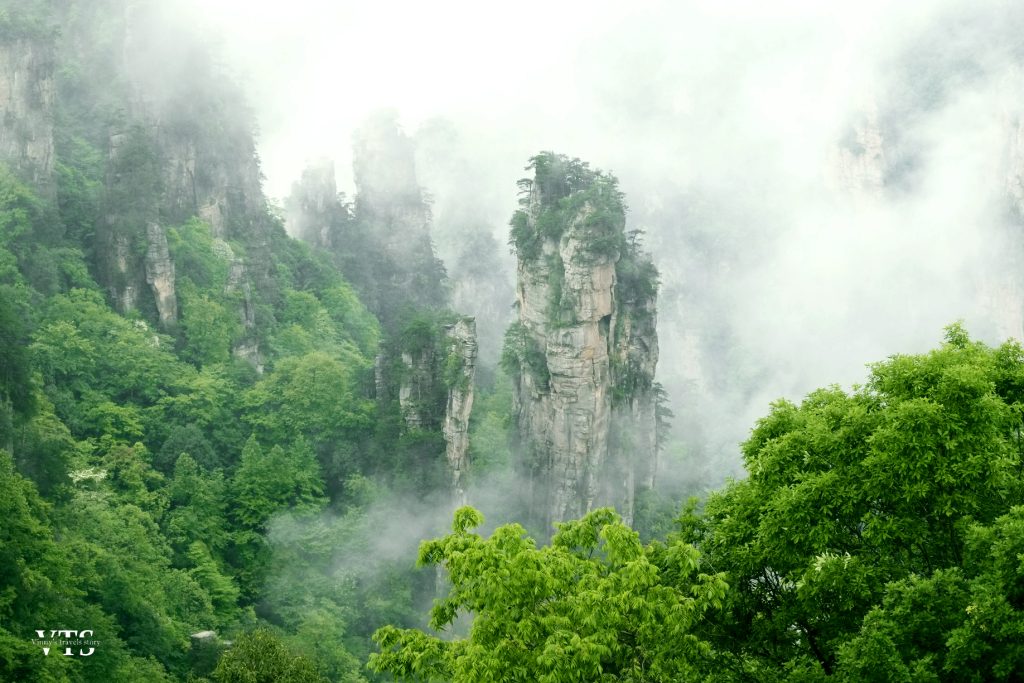
Zhangjiajie is one of China’s most stunning natural destinations and is worth visiting, especially if you’re drawn to dramatic landscapes and outdoor adventure. It’s located in Hunan Province and became world-famous as the inspiration for the floating “Hallelujah Mountains” in Avatar.

Hongkong

Traveling to Hong Kong is a fantastic experience, especially if you enjoy a fast-paced city with a mix of modern skyscrapers, vibrant street life, rich cultural heritage, and stunning natural scenery. It’s often described as “East meets West”, blending Chinese traditions with British colonial influences.

I’ve been to China twice, and indeed haven’t seen much of China. There are so many stunning places to travel to. The suggested 5 destinations are just based on my personal opinion. If you have any place of favour, leave it in comments. I might check it out on my next trip 🙂

Siem Reap Travel Guidance

siem-reap-travel-guide

Siem Reap is an incredible travel destination of Cambodia that attracting millions of visitors. To enjoy the best of Siem Reap, let’s catch up with our Siem Reap Travel Guidance to make a perfect plan trip.

I. Siem Reap introduction

Literally mean Sieamese defeated, the name of Siem Reap refers to the victory of the Khmer Empire in the war against Thai Empire in the 17th century.

Located in the Northwest of Cambodia, Siem Reap is globally known as the main access to Angkor Wat, the majestic ruins from the Angkor kingdom. Hence, this is a must-visit destinations for tourists traveling to Cambodia.  Nevertheless, this is not the sole thing that charms visitors to Siem Reap. Other than Angkor Wat, travelers have lots of things to see and do in the town. For instance, thriving local businesses, with mixed Chinese and French architectural styles, which make it a modern but ancient city. Regarding the surroundings , there is an enormous Tonle Sap Lake and its floating villages.  Refer our Siem Reap Travel guidance to know well about this evoking city.

II. How to get there?

Since Siem Reap is the main and number one tourist destination in Cambodia, every trip to Cambodia should start from this city and the best means of transportation is, of course, by air. There are numerous airlines that operate flight to Siem Reap. If you are from far away country that do not have direct flight to Siem Reap, you can choose to flight to nearby destinations and then book another short flight to the city.

Cambodia National Airway is the national airline and offers the most international flight routes from Siem Reap to surrounding destinations and vice versa. Thai Airways and Bangkok Airways provide flights from Bangkok, while Vietnam Airlines offers more options with flights from Hanoi, Ho Chi Minh City, Da Nang and Phu Quoc to Siem Reap.  For budget travelers, you can choose between Air Asia with daily flights from Kuala Lumpur and Bangkok to Siem Reap; Jetstar with flights from Singapore and Cebu Pacific from Manila (Philippines) are other great options. Direct flights from Pakse, Hongkong, Taipei and long-haul flights from Doha and Tokyo are also available. In case you are not starting your trip from Siem Reap but from Phnom Penh, it would take around 8 hours to travel from Phnom Penh to Siem Reap by bus, or by boat with longer travel time. As there are bunches of choices for getting to Siem Reap, you can combine visiting Siem Reap and nearby countries for Vietnam and Cambodia travel package or an Indochina travel plan adding Laos and Vietnam to your Siem Reap trip.

III. Things to do in Siem Reap

1. Angkor Wat

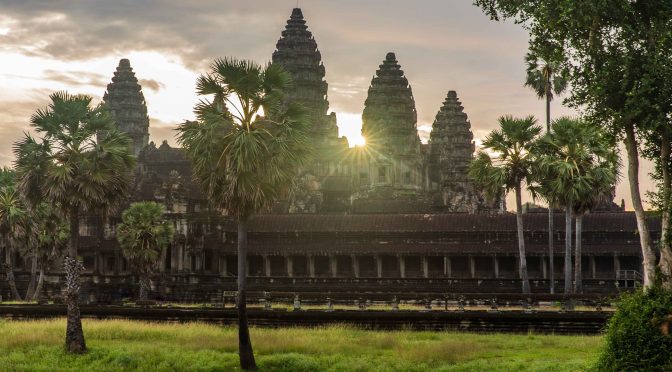
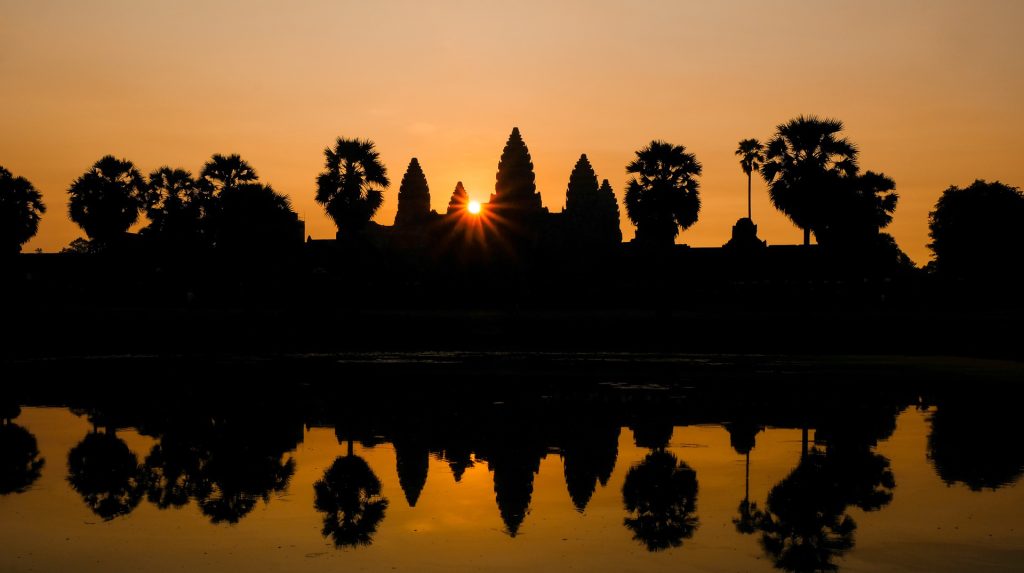
We believe that any Siem Reap travel guidance will suggest Angkor Wat as a must see of Siem Reap. About 5.5 km to the north of Siem Reap center, the enormous Angkor complex stretching over 400 km2, consist of Angkor Wat, Angkor Thom and numerous other temples dated from the ancient Khmer Kingdom. Among them, Angkor Wat is the largest and most famous, with a total area of 162.6 hectares. Angkor Wat, which was built in the early 12th century, has been seen as one of the largest monument ever built and recogized as one of the seven wonder of the world by UNESCO. This temple is believed to have been constructed by King Suryavarman II. Its purpose was to serving as a temple to worship Vishnu as well as his own mausoleum. But it was not completed until King Jayavarman VII.  Built in the peak of Khmer Empire, the architecture of Angkor Wat is the typical Khmer architecture and symbolized the Meru Mountain – the origin of Hinduism Gods Vishnu. Indeed, it includes a central tower surrounded by 4 other smaller towers, representing Mount Meru and its peaks and the whole templer is covered by a large moat. 

History of Angkor Wat

Initially, Angkor Wat was built as a Hinduism temple, the main religion of Khmer Kingdom at that time. Nevertheless, the kings of Khmer have different preference of religions. Thus, eventually in late 12th century, Angkor Wat became a Buddism temple until present. Angkor Wat was the capital and religious center of the Khmer Kingdom since it was built until being attacked by Champa. Later on, King Jayavarman VII revived the kingdom but then move the capital to the north, which is now popularly known as Angkor Thom, and built another temple called Bayon.

2. Angkor Thom

About 1.7 km to the north of Angkor Wat, Angkor Thom was the last capital of Khmer Kingdom. King Jayavarman VII ordered its construction in the late 12th century. Angkor Thom covering a total area of 9km2 with Bayon temple located at the center. Bayon temple features plenty of massive stone faces on numerous towers jutting out from the upper terrace. This temple is “the most striking expression of the baroque style” of Khmer architecture, on the contrary to the Angkor Wat’s classical style. Each tower has four faces, and the faces are the face of the king, but some people believe that are the faces of Avalokitesvara

The most remarkable things in Angkor Thom is that all the constructions was built using laterite, from the four-faced tower, the walls, or even Naga statues.

3. Tonle Sap Lake

Situating around 15 km to the south of Siem Reap, Tonle Sap is the largest fresh water lake in Southeast Asia, circled by 5 provinces and connects with Mekong River. This is not only an important commercial resource of Cambodia, which provide 90 percent of fish consumed for the whole country, but also a great destination for travelers. With diverse ecosystem, distinctive local life at the edge of the lake and unque floating villages as well as water stilt houses, Tonle Sap is definitely an ideal place for those who want to immerse deeply in the local culture. The only way to explore the lake is by boat. Sitting on the boat, you will go through floating villages, towering stilt houses and other outstanding constructions in different styles, including Khmer, Vietnamese or even Muslim. All activities of local people take place on the lake, from the households, markets, fisheries to hospitals, schools or sports.

4. Apsara Dance

Apsara is the traditional dancing, which only performed to the Kings and Royal family in the past. According to the legend, Apsara is the dance performed by fairies for Hinduism Gods. Recognized by UNESCO as an intangible cultural heritage, it would be a mistake if you skip this outstanding show. Visitors can easily find the places where offer Apsara Dancing around Siem Reap, furthermore, there are numerous restaurants performing Apsara during dinner.

5. Angkor National Museum

Opened in November 2007, Angkor National Museum is archeological museum. It preserves and presents thousands of Angkorian artifacts from 9th to 14th century. The museum is also ideal for visitors who seek to learn about art and culture of Khmer civilization. There is a bundle of information and collections. The museum consists of a Briefing Hall and  8 galleries, all connected by corridors, each of them displays different collection discovered mostly from the Angkor Complex and nearby:

1: 1,000 Buddha statues

2: Pre-Angkor Khmer Civilization

3: Religions and Beliefs

4: The Great Khmer Kings

5: Angkor Wat

6: Angkor Thom

7: Story from Stones

8: Ancient Costumes

6. Kbal Spean

 Kbal Spean is an ancient archeological site dated since Angkor era. The place is in the northeast of the Angkor Complex in Siem Reap. In fact, this is a small part of Stung Kbal Spean River, but what make this site special is actually hidden underneath the water. On the riverbed, there are thousands of neatly arranged sandstones with carvings of lingas on the surface. That is also the reason why this place is so-called “The River of Thousands Lingas”.

7. Banteay Srei Temple

The next thing that Siem Reap travel guidance wish to mention in Banteay Srei Temple. The begin of this temple was from the 10th century. The purpose was to worship Shiva, a Hinduism God. The temple is renowned for its intricate carvings on hard red sandstones (known as quartz arenite) on its walls. The carvings represent kala, the god of time and death. Nevertheless, Banteay Srei is not the original name of the temple, as people believe that the recent name is due to the carvings on the walls made by devatas. Literally, Banteay Srei means the citadel of women, or the citadel of beauty, related to numerous women statues and carvings all around the temple. Being the only temple at Angkor was not build by a mornach, Banteay Srei is a “jewl in Khmer art” that visitor cannot miss.

8. Fish Massage

Traditional massage is a popular service when you visit any country in Southeast Asia. Howerver, when travel to Siem Reap, tourists will have a chance to experience another unique type of massage that cannot be seen nowhere else – fish pedicure massage. Walking around the Old Town, travelers may see lots of stores with fish tanks, but do not sell any fish at all. These small aquariums full of small fishes, attached by cozy chairs are the perfect treatment for your feet after a long day wandering around. Just immerse your feet in the water, the fishes will nibble away all dead skin from your feet and toes.

9. Take a tuk tuk ride

Tuk tuk is a most common transportation in Cambodia and has become the symbol of this country. Tuk tuk looks like a carriage, with a cabin pulling by a mortobike engine, each can carry 4 people. You can easily find a tuk tuk in every corner in Siem Reap. The tuktuk drivers are always ready to ride you to anywhere you want.  This is the most authentic way to experience around the city. And the price is much cheaper than taxis.

IV. Where to eat in Siem Reap?

a. Restaurant:

As the city of booming tourism, there is no lack of restaurants in Siem Reap. Siem Reap offers an outstanding variety of restaurants. If you are seeking for fine dining experience, Shinta Mani and Hotel Grand D’Angkor are the best choices. There are quite a few restaurants offer excellent cuisine in an elegant and refined atmosphere.

Options for moderately priced Cambodian and international restaurants are also various. Almost every restaurant serve Cambodian cuisine. If you would like to try some local experience, check out the Chinatown at the south end of Sivatha Boulevard or the local food stalls and cookshops next to the Old Market.

b. Apsara Dinner:

There are bunches of restaurants suggestions in Siem Reap travel guidance, of which can’t miss out the Apsara Dinner. Attending a traditional Apsara dance performance is a must when you are in Siem Rap. Several restaurants offer Apsara show during dinner, including Grand Hotel D’Angkor, Apsara Theater, Kulen II, Angkor Mondial, Chao Pra Ya, Tonle Mekong, and Tonle Sap. 

c. Bars, Pubs & After Dark:

Nightlife in Siem Reap is extremely colorful. The most popular place to enjoy the nightlife is Pub Street, the liveliest place in town for both locals, expats and tourists. Here you can find popular early evening pubs, bars and restaurants, where will get more and more crowded in the evening. Pub Street starts from the late afternoon and some places are available until late.

IV. Our advices:

1. Best time to visit Siem Reap

The best time to visit Siem Reap is in the dry season, from November to early April. The weather during this period is the most ideal. Indeed, tourists are most crowded in December and January. The fact that these are the coolest time of the year with the temperature only around 21oC.

2. How to get around in Siem Reap

Traveling to Siem Reap, you will have numerous options to getting around, though the main attraction can be easily reached by foot. The most popular one is tuk tuk, also a must try experience in Siem Reap with negotiable price, from $2 for short trip. Taxi is another option, most suitable when the weather is hot. Normally, taxis in Siem Reap do not have meter so you need to bargain before get on the car, and of course the price is more expensive than tuk tuk. Otherwise, renting a bike for $5 a day is not a bad idea.

3. Safety and security in Siem Reap

Siem Reap is quite a safe place for tourists and there are rarely violent attacks. Despite though you still need to be aware of petty thefts, especially in the Old Market area. In additon, there are several types of scam here, including fake police, taxi overcharge or intended wrong turns, etc. If you suspect anything, just get away from these people and you will be fine. Nevertheless, in overall, locals here are really nice and helpful so don’t be worry too much. And the most important thing it that, do not forget to purchase travel insurace to protect youself from every trouble.

4. Dos and don’ts

The last but not least to mention in our Siem Reap travel guidance is things you should and should not do:

– Don’t touch the head of any person, even the children.

– Don’t put your feet on the opposite seat

– Be careful when pointing your toes to Buddha images

– Always take of your shoes before entering homes or temples

– Don’t use your left hand to give something to someone

– It is rude if you point with your index finger, instead use your right palm with the gestures.

– Do not say something bad about Cambodia, the locals may understand and they would not be comfortable with this.

Hope above Siem Reap travel guidance has been helpful to you before planning your trip to Cambodia. Feel free to reach out if you have any further concern about Siem Reap.

Xian and Shanghai so memorable and illustrious

Before taking this trip to Xian and Shanghai, I had visited China once and found that trip was amazing. This second trip was very different and unexpectedly more than fantastic with Xi’an and Shanghai. All experiences and things that I did was so awesome and genuine.

Xi’an was a city of culture and history

Xian-china

About Xian

Xi’an, or Chang’an, might not be a popular city of China like the capital Beijing, prosperous city Shanghai, it’s definitely among the most impressive places of China.

Xi’an is among the oldest cities of China and played a significant role in China before AD 1000 in terms of economy and history. The Walled city of Chang’an was the Eastern Terminus of the famous Silk Road and the country capital under several dynasty including Qin Shi Huang.

Located in central China, Xi’an became the hub for highway and railway. It’s very convenient for traveling over Xi’an by both air and express train.

Xian-China

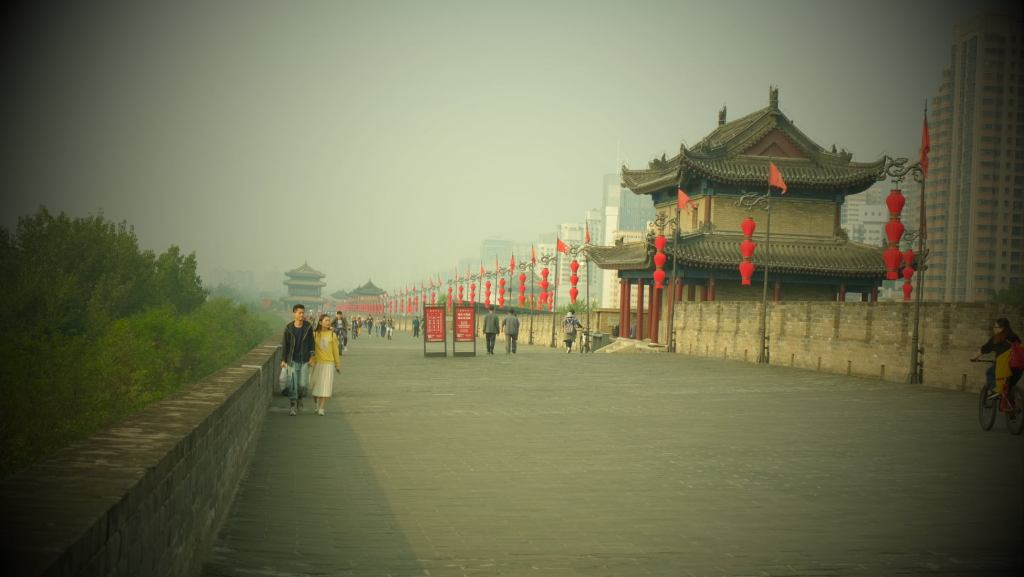
Xi’an was comprised by three parts: The Palace City, The Imperial City for officials and The Outer City for merchant and artisans. The core part is surrounded by the great walls with guarding points. Walking and cycling on the walls were vert comfortable and exciting.

Xian-China

What to see in Xian

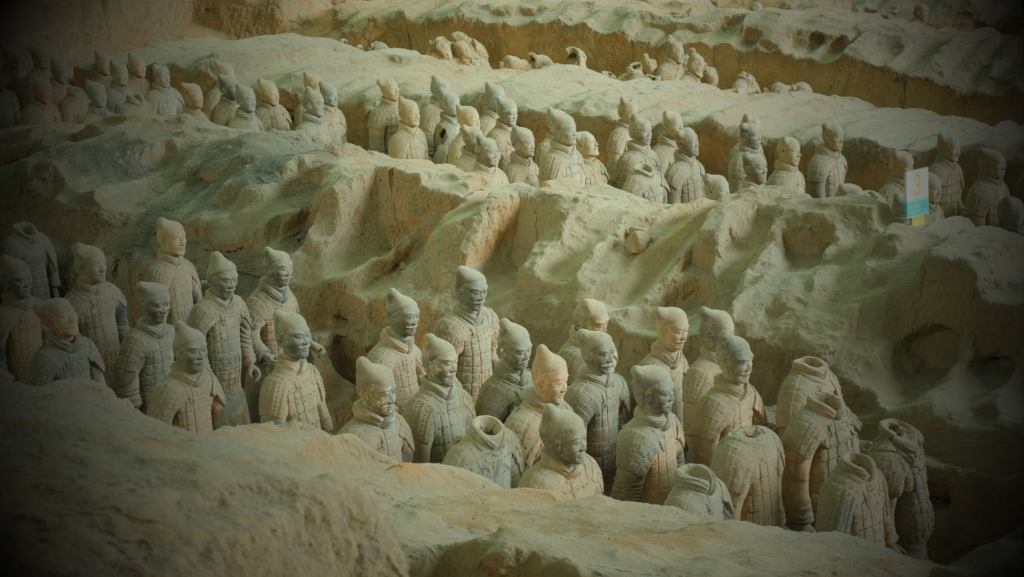
A must-to-see place in Xi’an is the tombs of Qin Shi Huang King. He had been a famous and important piece of China history not mentioned good or bad. Traveling around 1 hour to the outskirt of Xi’an, I went with the flow and visit some part of the huge historical area to see the underground tombs of the soldiers, servants, etc. It was robed during the war and destroyed by the enemies; the tombs was great to learn and highly recommended.

Qin-Chi-huang-tomb-Xian-China

Qin Shi Huang is so famous that so many domestic and international visitors flocked there. The contemplating time is probably less than huddling to find a standing slot and see the Terracotta Army.

down-town-Xian-China

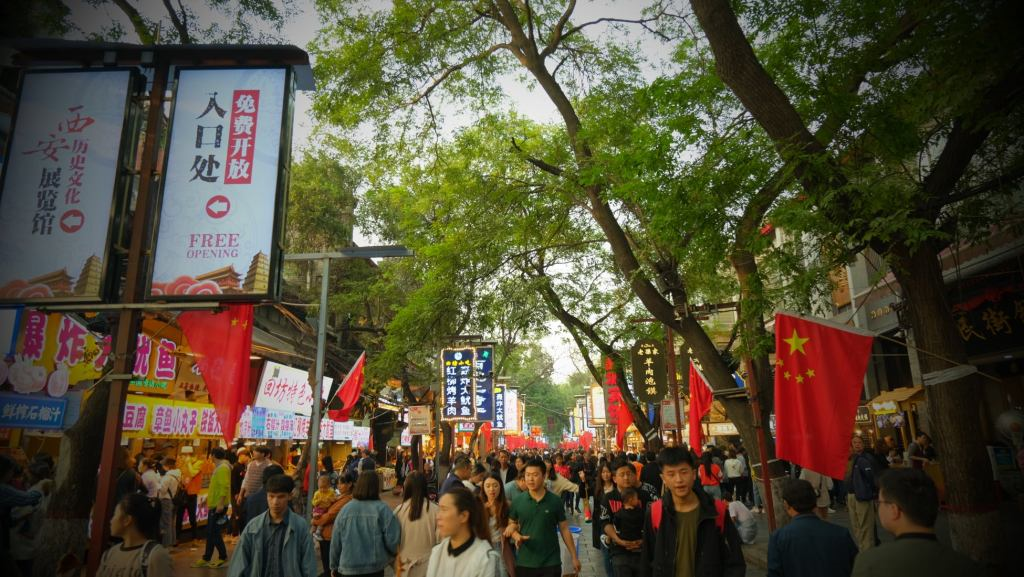
Xi’an downtown was so interesting and colorful. It was crowded like other downtown but very pleasant when people all walk slowly and enjoy the antique town. I do love the ambiance and the landscape.

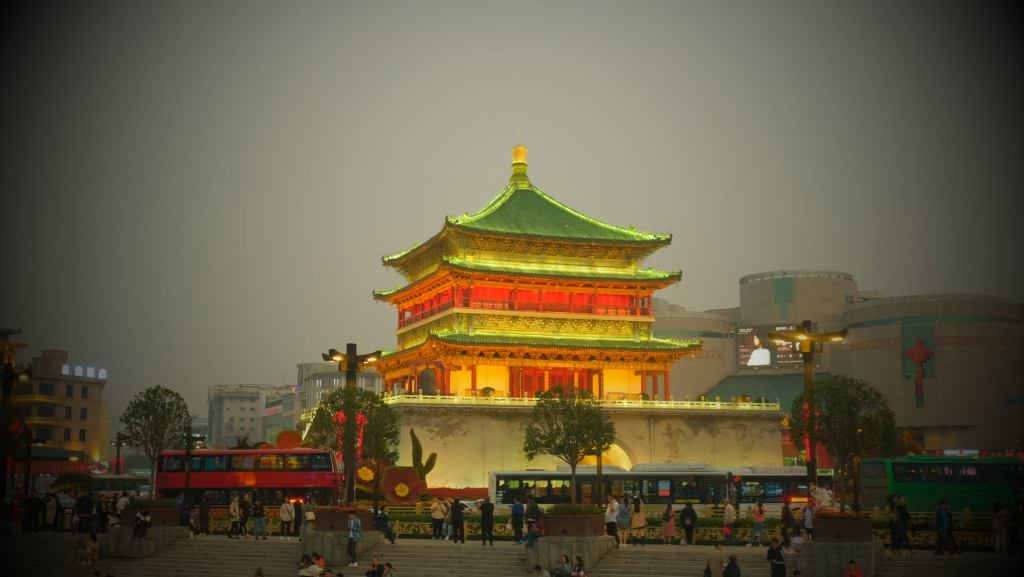
It was to enormous, truly! Walking in the Muslim corner, then Drum Tower and Bell Tower with abundant stop for eating, shopping and observing.

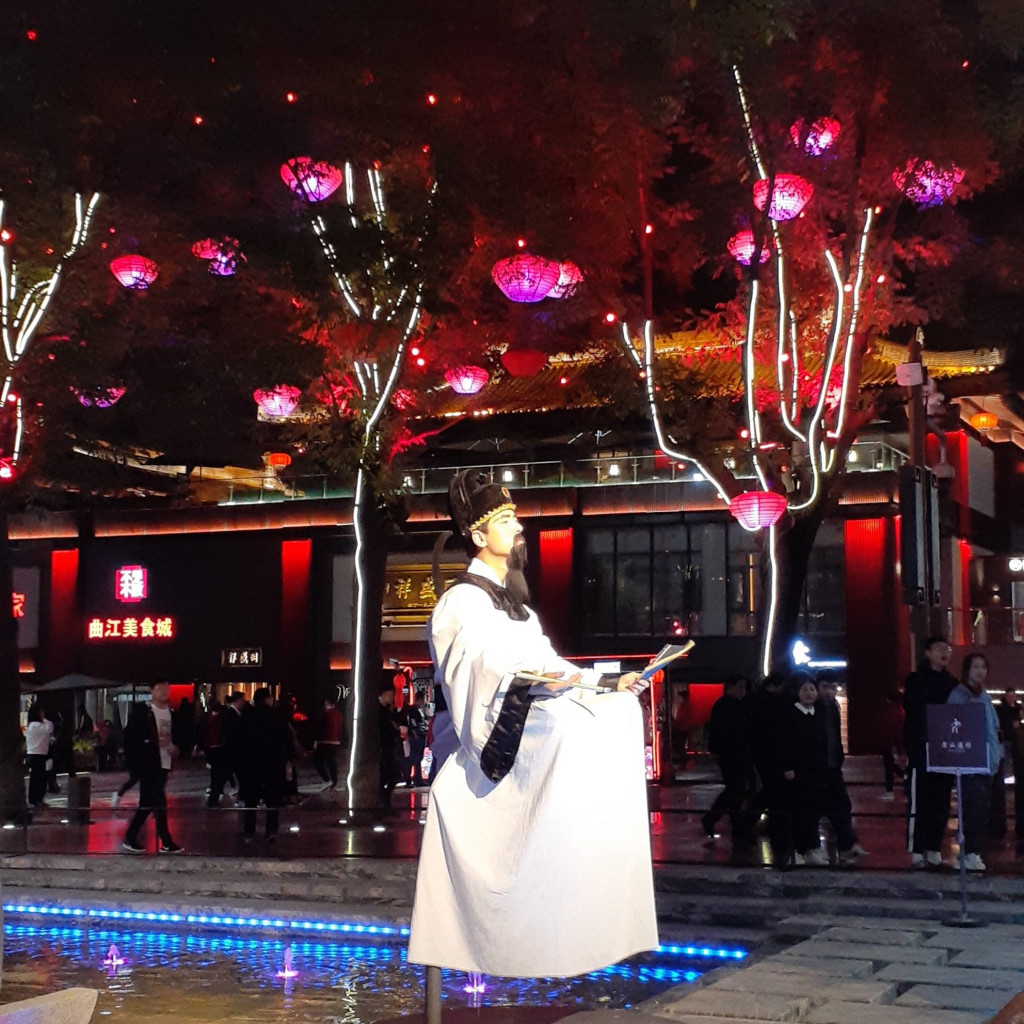
South Gate Square in Xi’an is the place with more locals and I felt like I was with them. The cinema is alike an old citadel, artisans performed their talents in public places.

Xian-China

Unique eating experience at non-tourist places

Xian-China-food

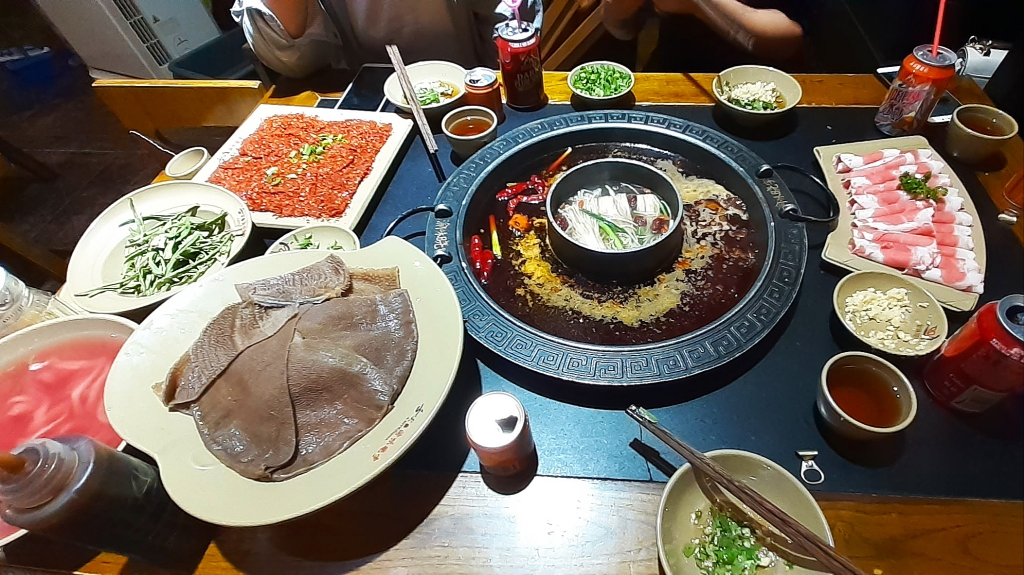
I was fortunate to be hosted by a friend in Xi’an and had chances to dine at many local restaurants. We came to local hot-pot restaurant and they helped me called the good choices. The food was spicy and oily but it was great for me to be with the local.

Xian-China-food

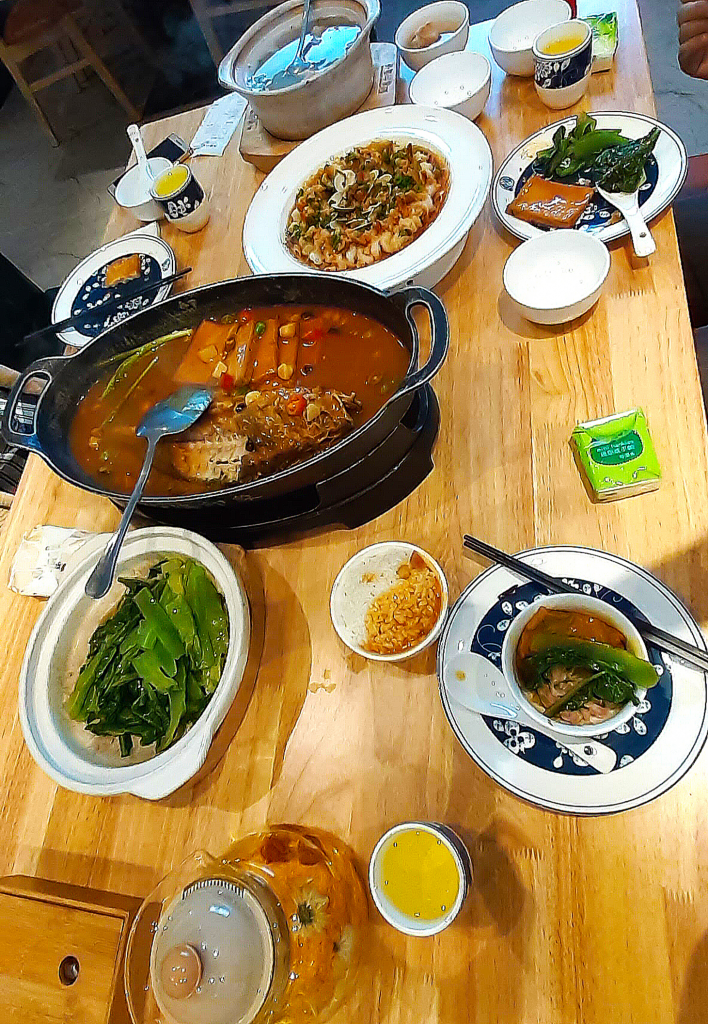
However, there are restaurants with very sumptuous dishes and not spicy at all. More special, a home-cooked meal was cozy and awesome when we can discuss more about our cultures and things.

Xian-China-local-food
Xian-China

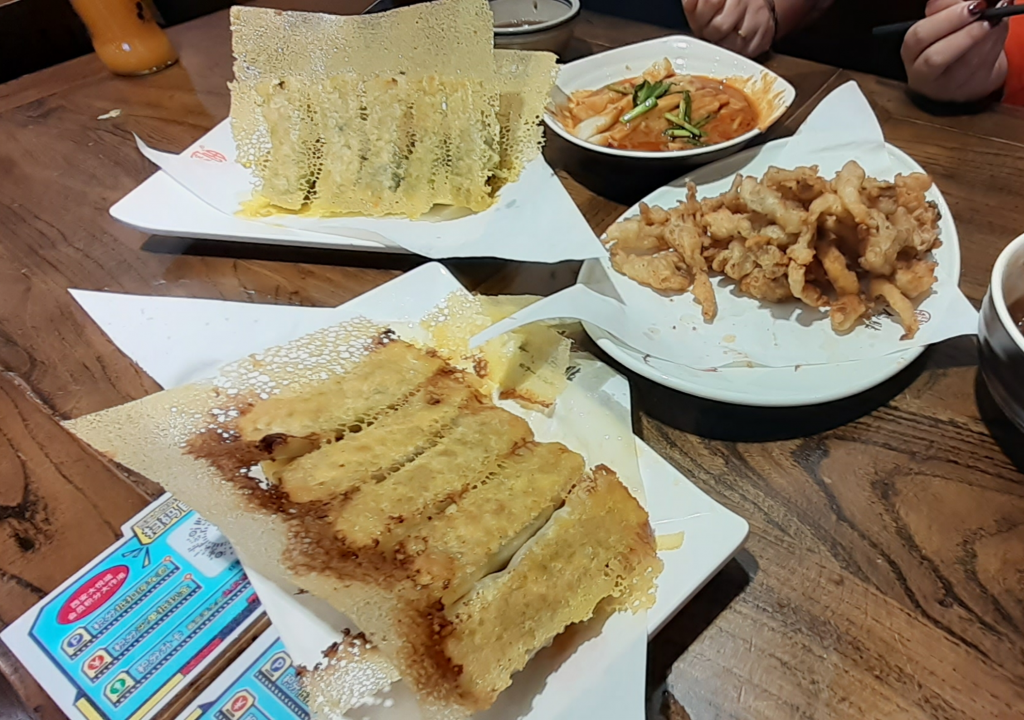
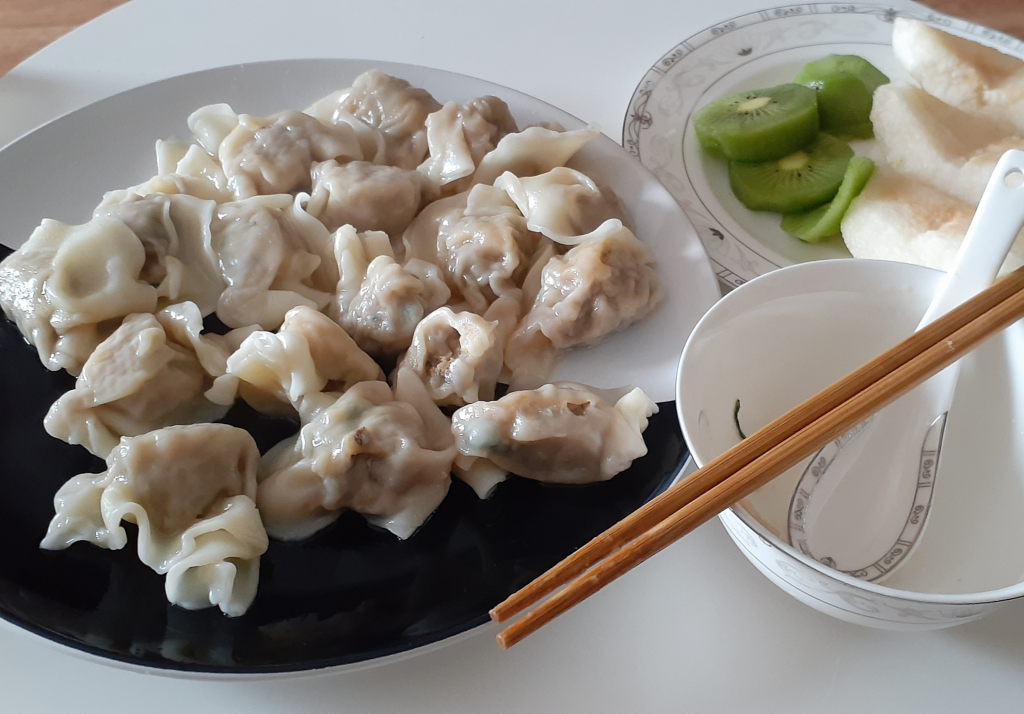
Above are some more food that I ate. Though I didn’t really remember all the name, they was too tasty to eat. Just grab some if you ever see them in Xi’an.

Shanghai is a blend of the modern an culture

About Shanghai

shanghai-travel

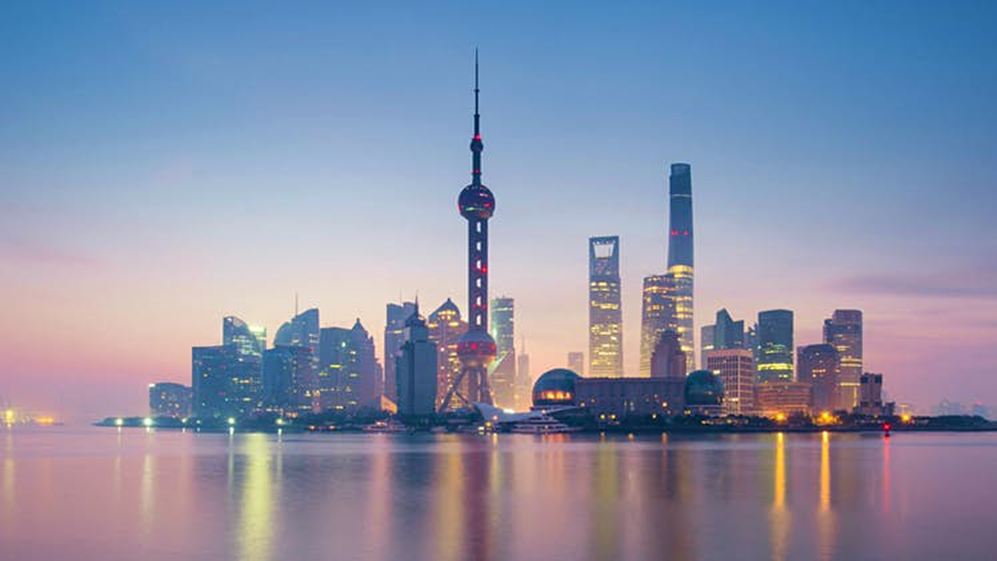
Shanghai, the City on the Sea became my most favored city of China despite it’s a city of paradox and changes. I do enjoy the walk around this city, not only the downtown part. Shanghai is such a city of integration. Shanghai, as I understand is comprised by two areas of the cultural and the modern parts which are separated by the Yangzi River.

One side is the downtown and featured with the shopping center, cultural visiting corners, ancient town and the other is stunning with skyscrapers where situated the financial hub of many international economy giants.

Originally, around 6,000 years ago, Shanghai was a fishing village, the residents lived and gradually the prosperous live enriched their local culture, entertainment and joys of lives.

Places to see in Shanghai

shanghai-travel

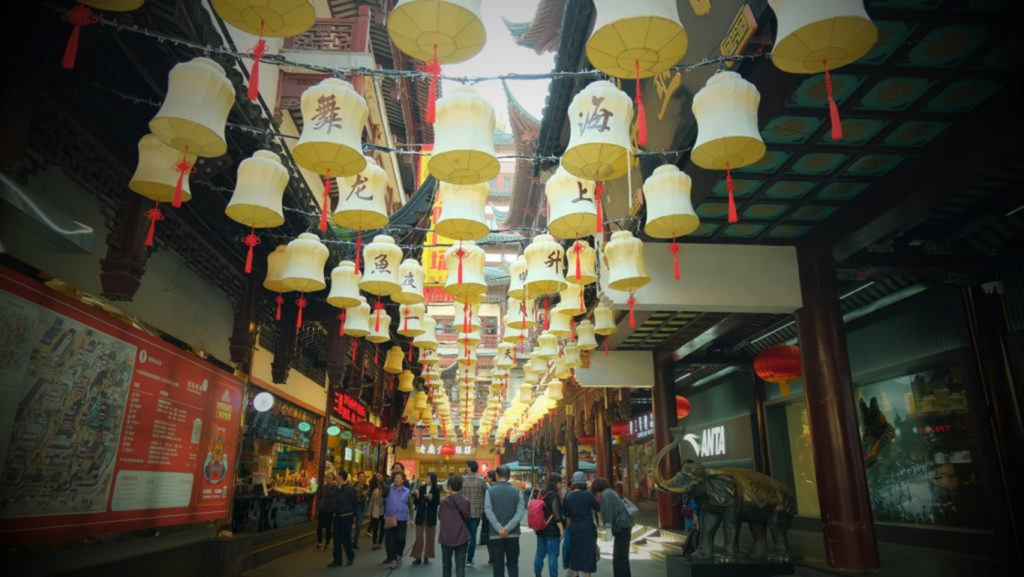
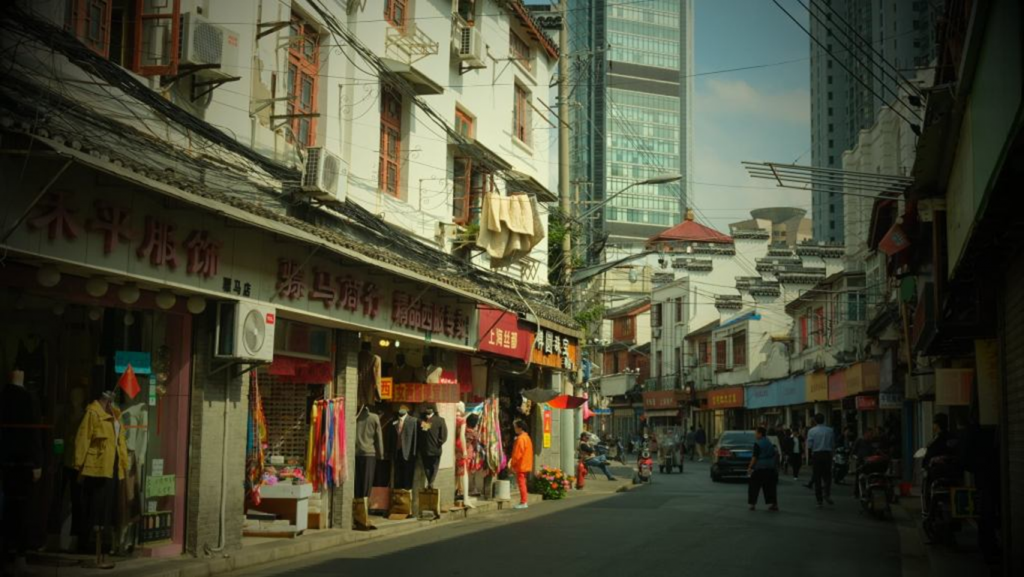
Shanghai quiet old quarter with small alleys and local houses at modest scales.

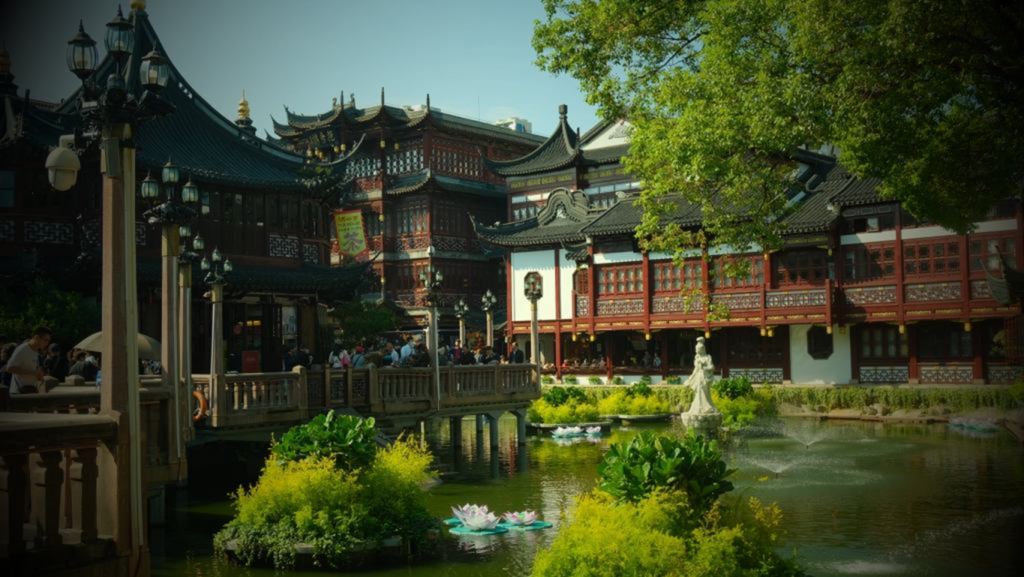
shanghai-travel-yuyuan-garden

Yuyuan Garden and beautiful cultural things to see and experience.

shanghai-travel

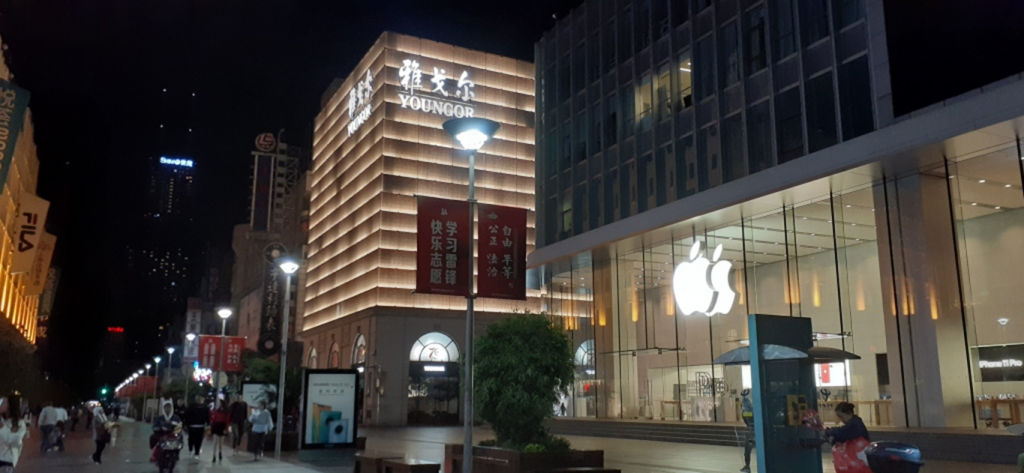
Nanjing road is recommended for street food and shopping.

British named this city Shanghai and made it the treaty port with the foreign involvement after the first Opium War. Following the quick development, the city became “Paris if the East” in 1930s.

Under the view-point of a traveler, I do love the strolling to enjoy breeze, the skyscraper and admire its modernity.

shanghai-travel

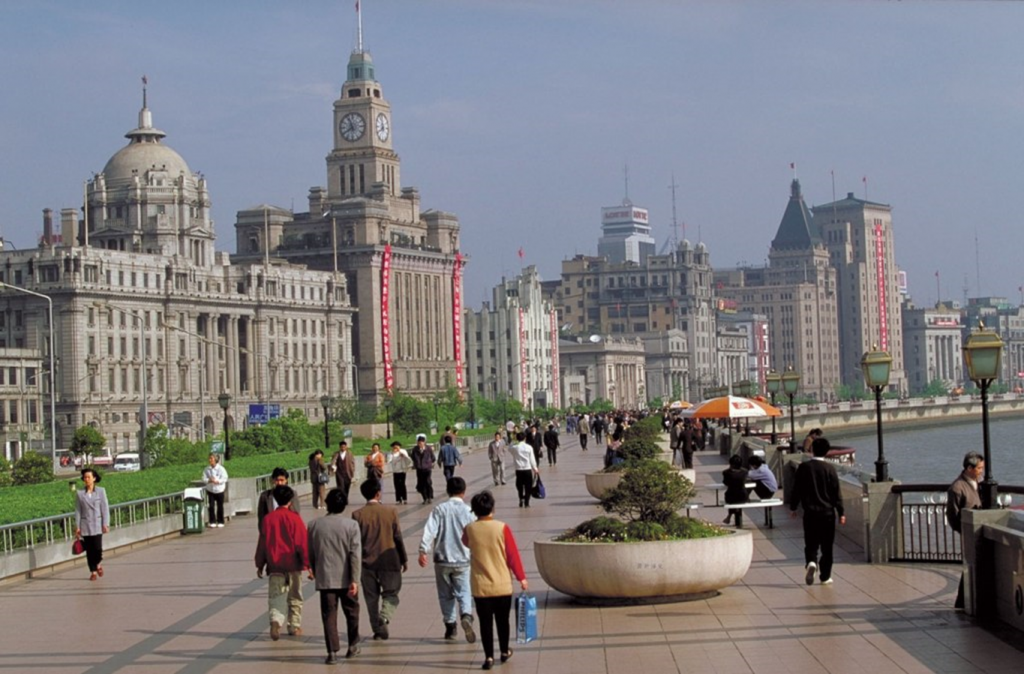
The British Clock and banks are situated nearby the river.

shanghai-travel

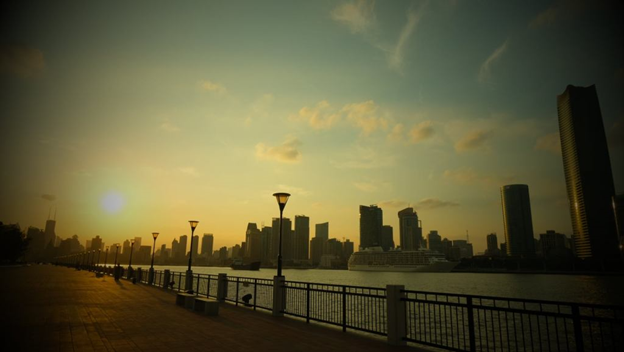
There are boats with very frequent schedules to cross the river and see the other part of Shanghai City. The sunset was very pleasant to chill-out.

shanghai-travel

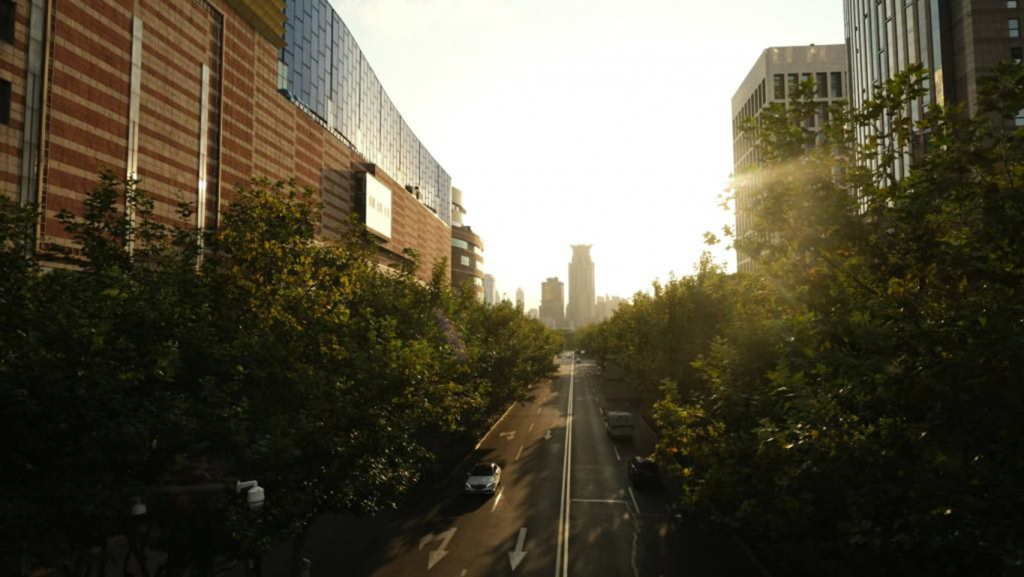
Big city but it was not populated at all.

shanghai-travel

Shanghai financial center and the Oriental Pearl Tower look over the Yangzi River.

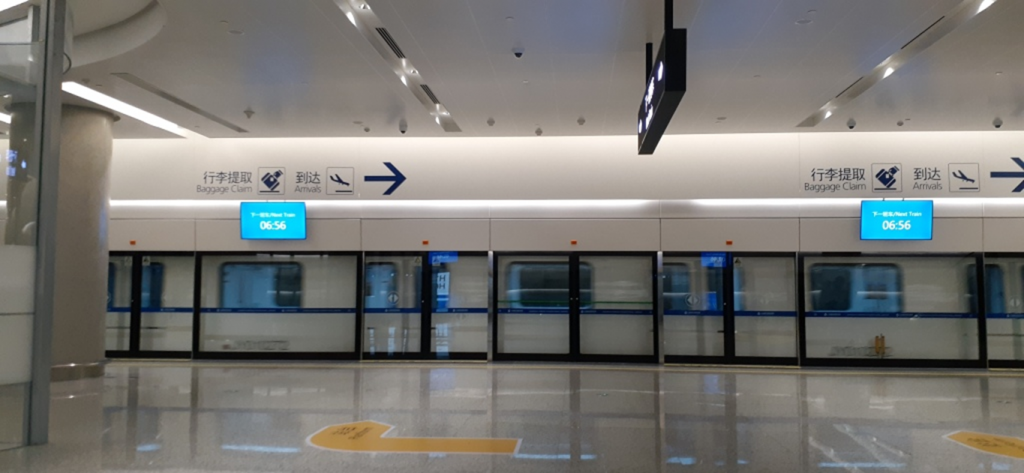
I have to admire Shanghai is a modern city and I did wish to find a job over there to live in its modernity truly. Well, the Shanghai Airport wasn’t exceptional neither. It was so modern that I decided to go with the flow to come out and get on the underground transfer to the luggage area.

Apart from this, the express train is also helpful for tourist to travel to beautiful countryside area like Hangzhou and Sushou in very short time.

shanghai-travel-get-to-airport

Food in Shanghai have been the best among cities of China to me so far

shanghai-travel-local-food

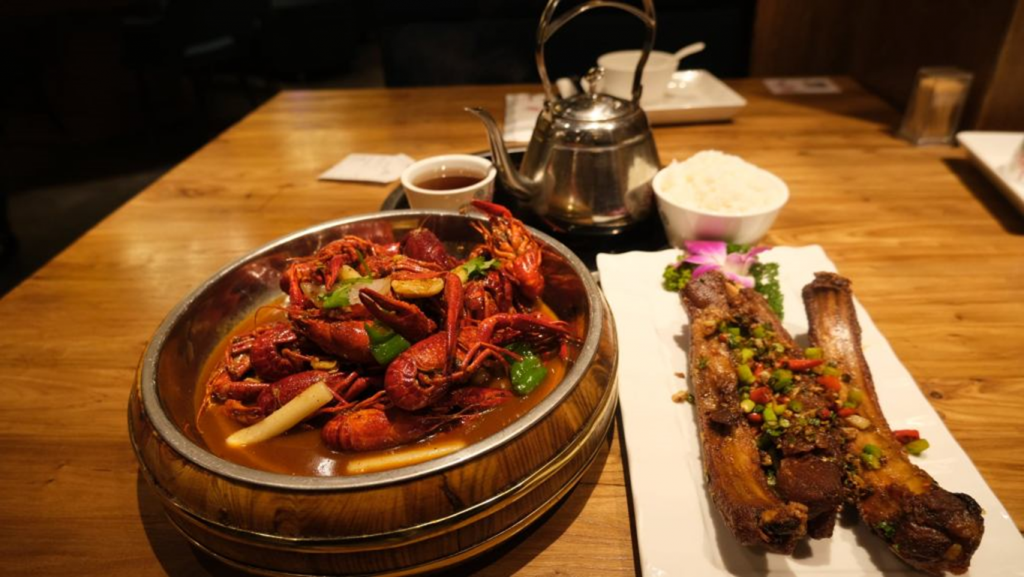
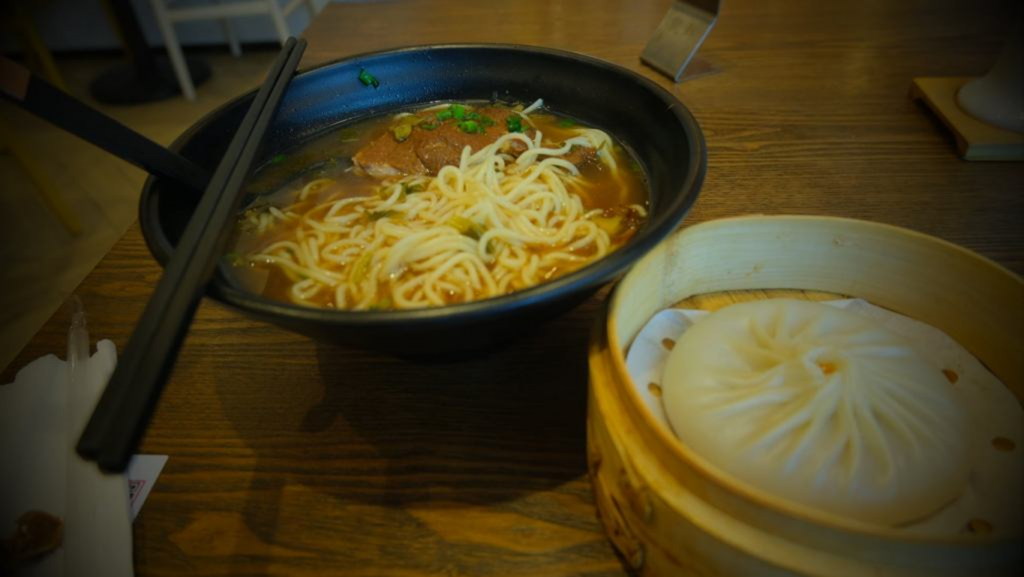
There are bunches of big and small restaurants in Shanghai for me to eat and drink anytime I feel hungry and thirsty. Street food in Shanghai and the restaurants were awesome. I did eat alot of street food and bought so many fresh fruits at local stores, there weren’t many photos taken. These are the two meals that I loved the most: Red Prawn with Pork Ribs; and beef noodle and giant soup dim sum in Shanghai (Xiaolongbao). I would definitely eat again if I return.

shanghai-travel-local-food

Despite many factors that make people love and hate China, this country is an awesome place for me to spend my holiday. You might find further introduction about Shanghai travel at How did I fall in love with Shanghai.

Vietnam travel – the country in southeast Asia offers affordable trip with amazing food

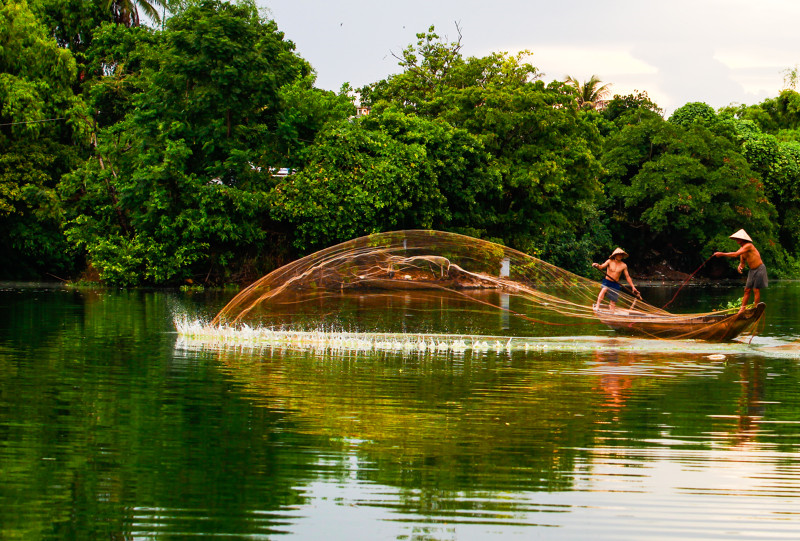
If you ever wondered the best destination for your visit when step into southeast Asia, Vietnam would be the very first suggestion. Read the below Vietnam travel blog to know more about beautiful places and tasty regional food.

Vietnam-travel

Why travel to Vietnam is firstly named?

Each country has its own unique enchanting beauties; however, Vietnam – a country stretches windingly along the East Sea offers travelers more experiences. I would call out some reasons as below:

Vietnam-travel-destinations

Easy access to all means of transports

There are many air fleets offer direct flight from their original countries or big cities to Hanoi and Ho Chi Minh Cities. Internally, public means of transportation such as train, bus, motorbike are available. Almost travel destinations in Vietnam are connected by flights which reduces your hours in the bus significantly. The most important thing is that social network in Vietnam booms significantly that the travelers could search out or see reviews of any single services.

Vietnamese food

Vietnam-travel-food-tour

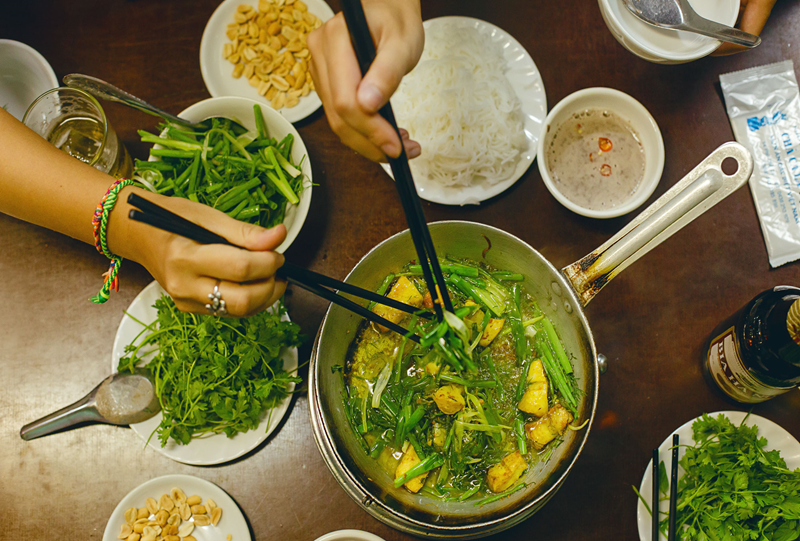
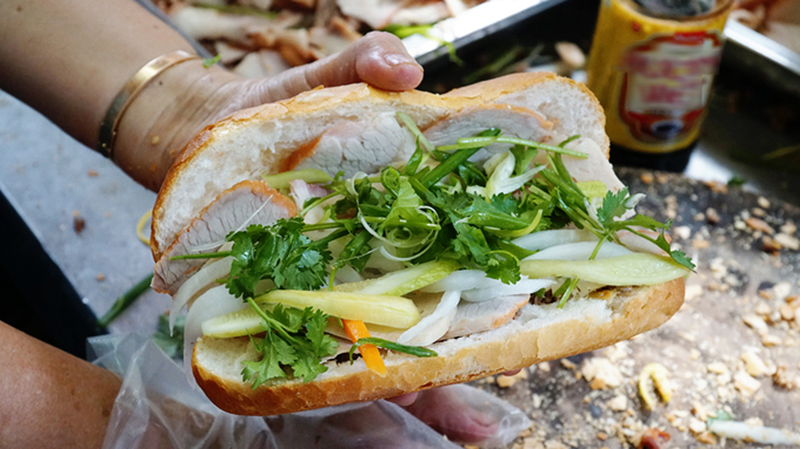
The food in Vietnam are variably combined and created from different ingredients. It’s not over but balance and healthy. The food is pretty fresh. Vietnamese often eat fresh herbs, lectures by dipping them in some fish-sauce or hot tomato soup cooked with green onion and eat in their daily meals. Apart from different cooking styles like deep fired, stir fried, stew, they will have at least a dish plainly steamed or boiled to have fresh taste and balance with the other rich in fat dishes.

Vietnam-travel-local-food-grilled-fish

The taste is also under a careful control. It should be moderate and on par with spicy, sour, sweet, salted. If the food is too greasy, the cook will present or add on some fresh ingredients. The color is at no exception. Color distribution is also noticed why cooking. More important, all must provide enough energy and nutrient for people. To see further about Vietnamese cuisine, check out the title 10 most popular dishes in Vietnam.

Vietnam-travel-local-food-bread

Vietnam travel offers many beautiful destinations

Overall, Vietnam is a country of rich culture, history, nature and wildlife, etc. The country also impress the world by a huge economic development with vast renovation after 40-year reform since the country was independent and united.

Hanoi

Briefly say, Hanoi is the capital with richness of culture, history and food variety. Below are the most highlighted places in Hanoi:
Hanoi Old Quarter
Sword Lake
French Quarter
Ho Chi Minh Mausoleum
Temple of Literature
Hoa Lo Prison
Women Museum
Tran Quoc Pagoda
West Lake

Vietnam-travel

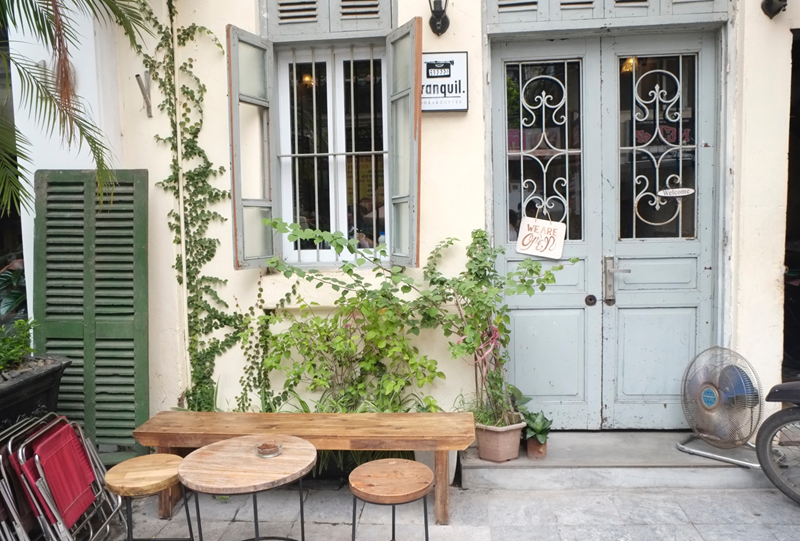
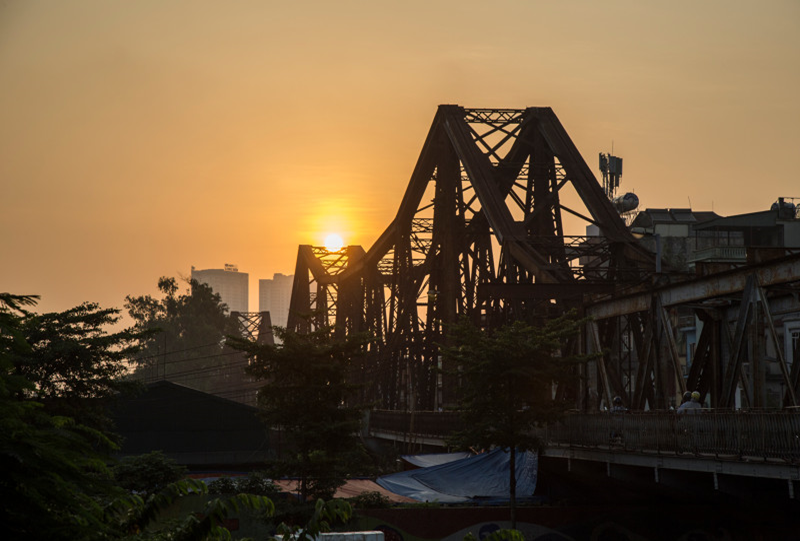
However, to experience the local lifestyle, it takes a few days to stroll around the busy hub, small alleys and quiet places. There are book streets, beer corners, ice-tea hubs. You can sit on small chairs and eat at a local stall on pavement or try the nice restaurant with well-prepared dishes. You can plainly grasp a cup of ice-tea or ice-coffee or chill-out at a chic and boutique cafe in charming decorations. Or else drink draught beer in busy and noisy corner or elegantly try different type of craft beer.

Vietnam-travel-Long-bien-bridge

Ha Long Bay

Vietnam-travel-destination-halong

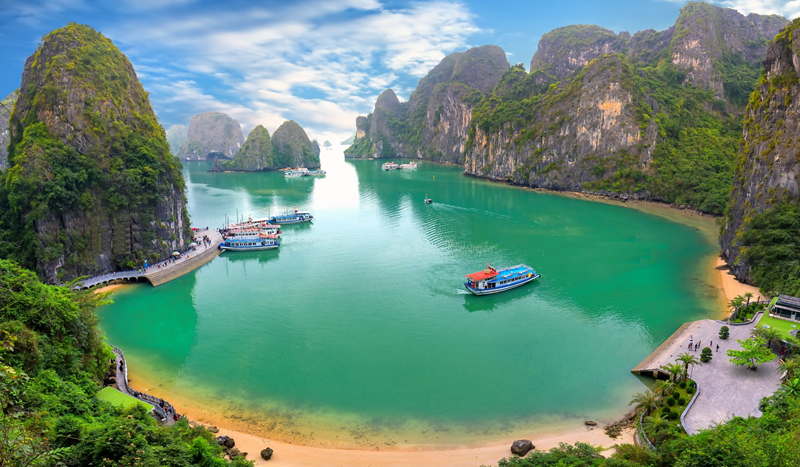
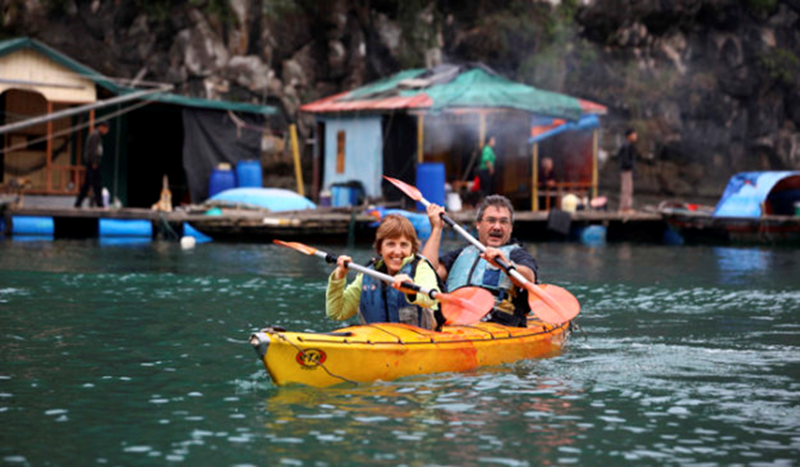
For those in seeking a trip of nature, outdoor & water activities, hiking, swimming, sunbath and relaxing. Ha Long Bay is one of the most renowned places of Vietnam as it has been a UNESSCO Natural site twice in 2000 and 2012. Hundreds of cruises operate the sail to the bay’s core area. Embark on cruise, you’ll explore thousand luxuriant jutting karst mountains among emerald water. There are big and small caves linger on those islands for a light hike. Ha Long is beautiful and crowded when so many people want to see it. There are alternations of less busy bay located next to Ha Long Bay. Those sisters are Lan Ha Bay, Bai Tu Long Bay or Cat Ba Island. Halong Bay is a highly suggested place when you plan your Vietnam trip or a multi country journey like Vietnam and Cambodia tour.
Vietnam-travel-destination-kayak-on-halong-bay

Ninh Binh

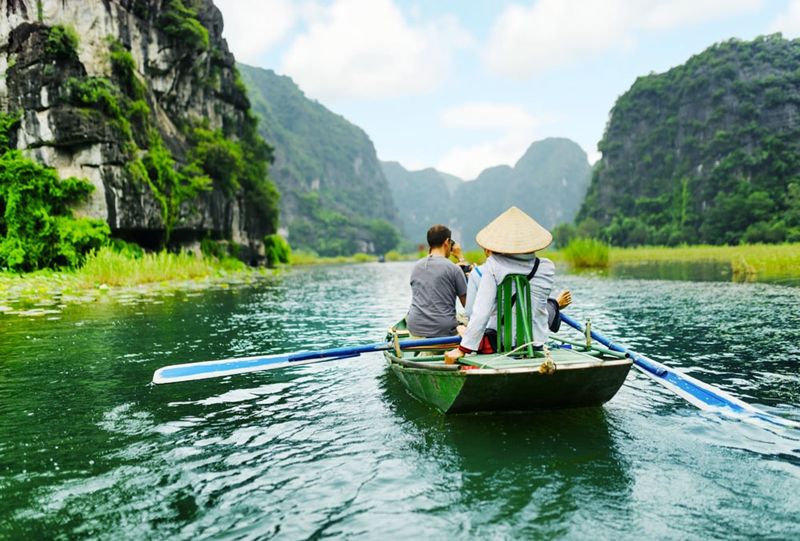
A destination sited 105km to the south of capital Hanoi, Ninh Binh is an enchanting land with riverine limestone mountains and pristine countryside. It’s named “Ha Long Bay on land” as the area share same type of archeology to Ha Long Bay. However, the experience is fairly different. This place is rich of culture and history. As the ancient capital of Vietnam, travelers will learn some facts on the country’s previous Emperor history and architecture of 11th and 17th centuries. Other sites like Tam Coc, Trang An, Cuc Phuong National Park, Bich Dong Pagoda, Mua Cave will give a wow feeling on this stunning land.
Vietnam-travel

Ho Chi Minh City

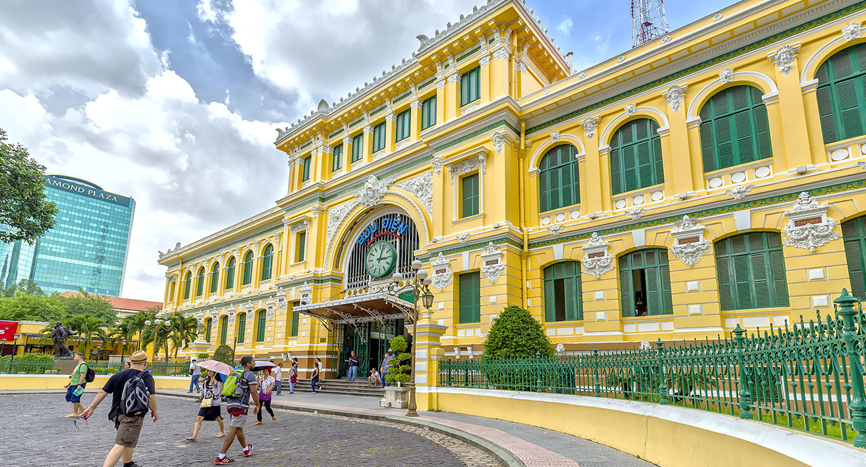
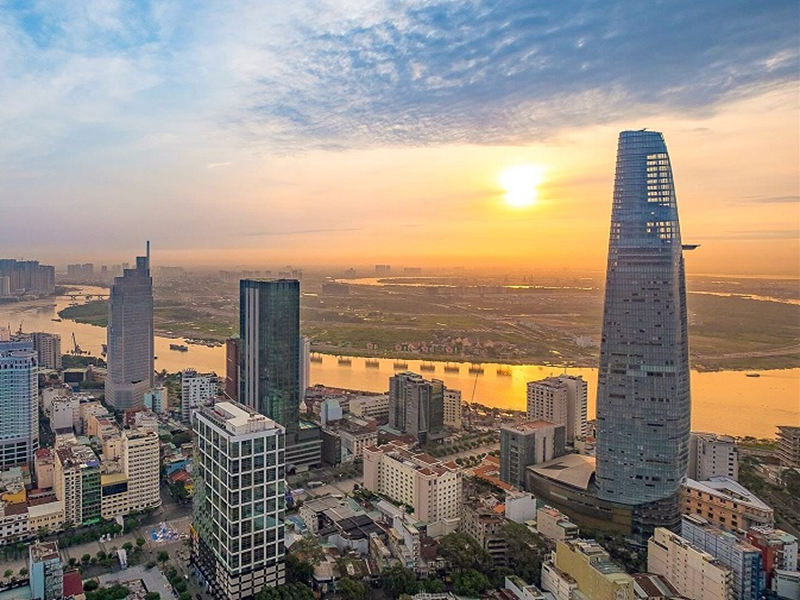
Ho Chi Minh City (or Saigon) is a young and the most developed city to visit in your Vietnam travel plan. Visiting this southern economic hub, you will find a busy and lively lifestyle. It’s appeared with skyscrapers, modern architect, international chain stores and so on. As once under the rule of Colonial troops for years, there are Colonial relics and buildings which are mainly political, and government belonged these days.

Vietnam-travel

Ho Chi Minh City treats its visitors sky bars, restaurants casting glorious view to Saigon curling river and sparking city view, busy Beer street and lively music cafe, the atmospheric China Town which seems more cultural than elsewhere as the China Town in Saigon seems keeping itself more reserved than others in the world.

Vietnam-travel-ho-chi-minh-city

Cu Chi Tunnels

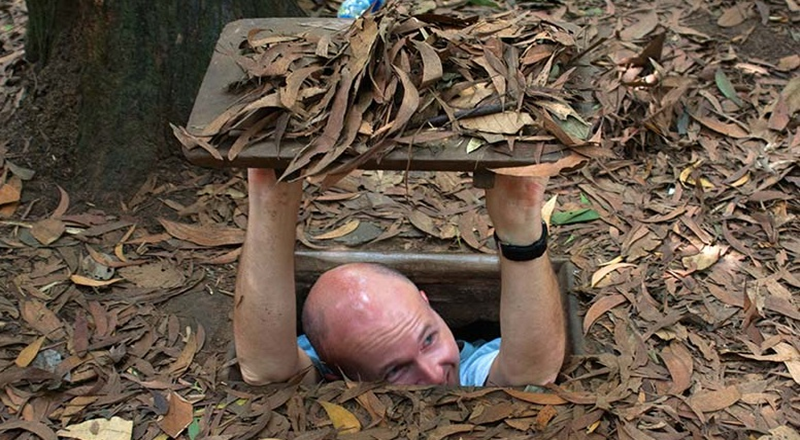
Cu Chi Tunnels is a system of underground route complex that dig during Vietnam resistant war for the soldiers to shelter themselves. There are different chambers of kitchen with an undiscovered smoke evaporation system, hospital, dining rooms, meeting rooms, etc. The place shows an evident showcase on history via stories, documentaries, displays, and the chance to try some food used during the time.

Vietnam-travel-cu-chi-tunnels

Sited around 60 km from Saigon, Cu Chi Tunnels could be reached by land transfer in 1.5 hour or by speed boat in 1 hour via Saigon River.

Hoi An

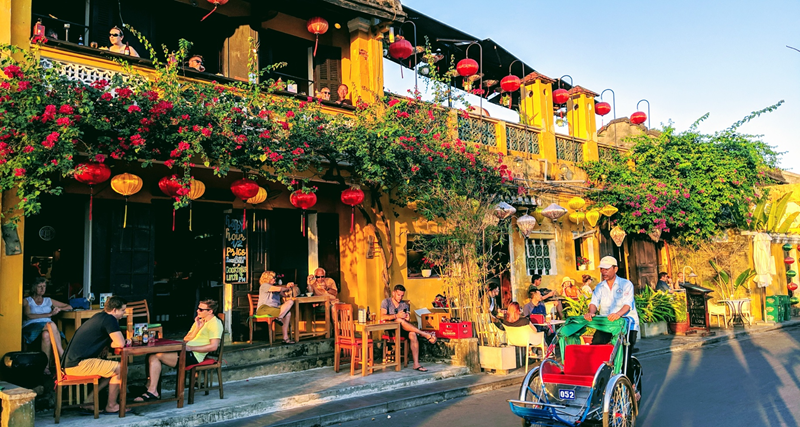
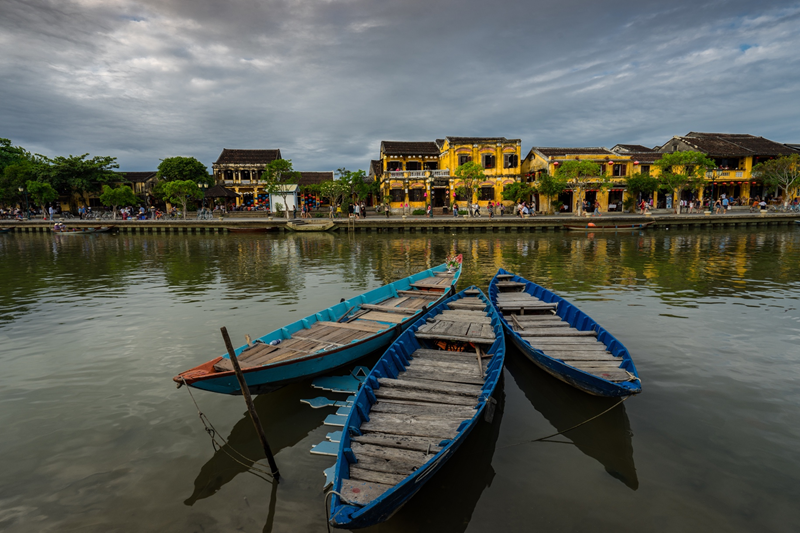
Hoi An is favored by so many tourists in the world for its ancient charm, pleasant stay, pretty choices of street drinks, food, cafe and fresh cuisine.

Strolling around every corner of Hoi An, tourist find it quite simple but attractive. Hoi An is also ideal for photography and gastronomy too.

Vietnam-travel-hoi-an

Apart from the famous ancient town, visitors can spend time to a peaceful rural village by leisure biking like handicraft villages, herb village, etc.

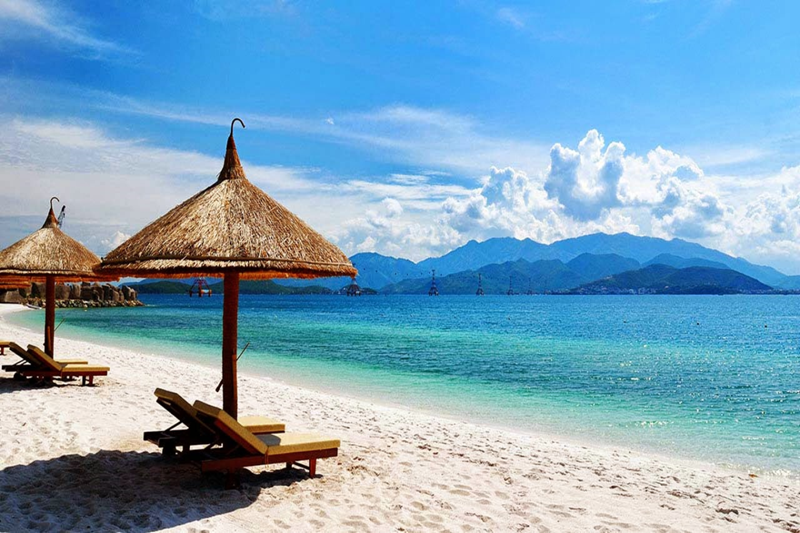
Beach escape also features Hoi An Travel. There are, but a few left, pristine beaches with both soft white and yellow sandy beaches in Hoi these days including An Bang, Cua Dai, Ha My and so on. For whom interested in isolated Island, take a speed boat to Cham Island and stay at exotic homestay, experience the habitants on islands and delve into the sea for scuba diving or snorkeling. Swimming and sun bath on beaches are not exceptional.

Vietnam-travel-hoi-an-old-town

Anything eles that we can find in Hoi An? The proof is that many people have decided to spend up to a month or 3 months in this town. Plus, from Hoi An, it’s easy to do a day trip to Da Nang the city of bridges.

Vietnam-travel-beach

Hue

From 1802 – 1945, Nguyen Dynasty saw a new development and moved capital from Hanoi to Hue to settle and expand the land southward. After border flight, as well as some tribute to marry King’s princess, Vietnam land has been larger and come out as the S character nowadays. The Nguyen Dynasty could be one of the very few dynasties with the most peaceful and prosperous development.

Things to do in Hue

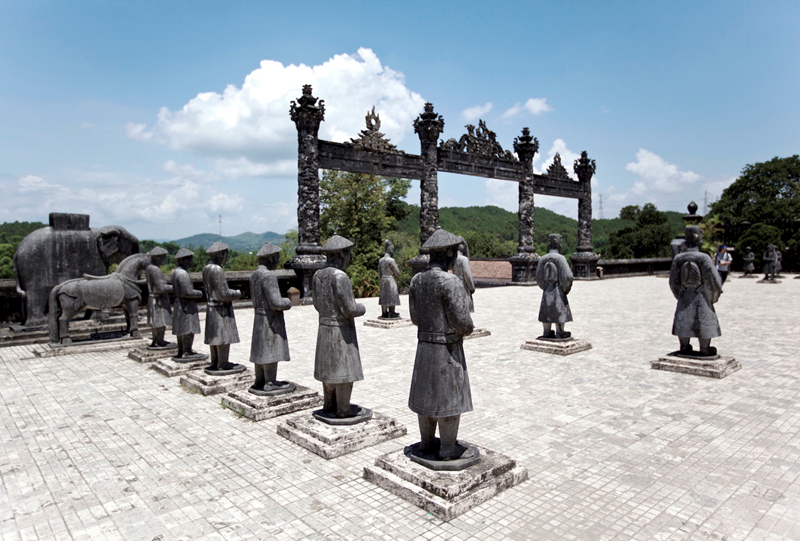
There are many constructions such as Citadel, Kings’ tombs, Royal gates, etc. are intact. The visitors can pay a visit to those places. Plus, to provide luxury and sophisticated food, costumes, drinks and other supplies to the royal families, there must be many skilled craftsmen in Hue. Though it’s modern time, these skills become heritage and going on through generations. Traveling through lush countryside, you can reach many original and ancient villages to learn about these handicrafts and learn about the customs of the locals. Suggested villages to visit including:

  • Sinh votive painting village.
  • Thanh Tien paper flower village
  • Phuoc Tich pottery village.
  • Conical hat village, pomelo village.
Vietnam-travel-king-tomb-in-hue

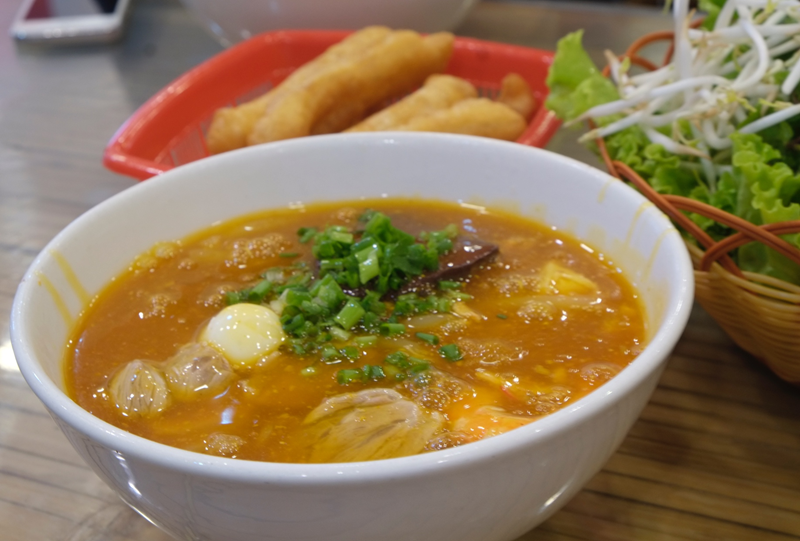
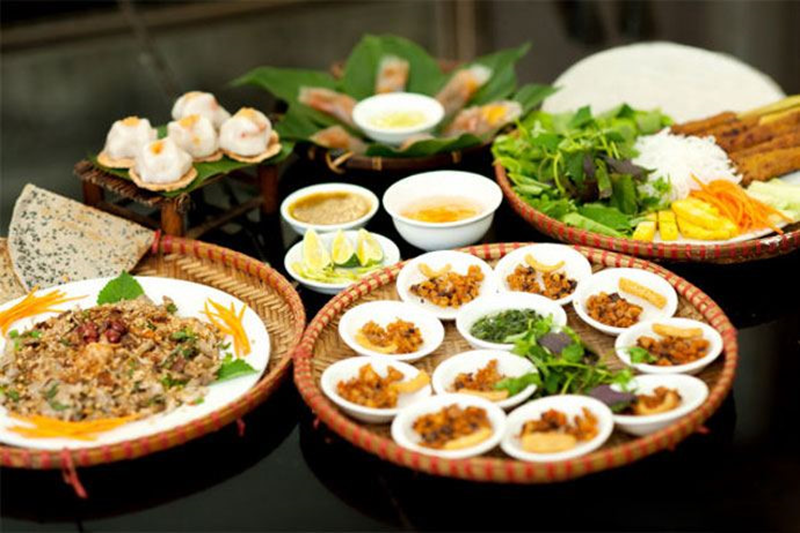
Except the culture and customs interest, Hue is also attractive by it’s pristine coastline, fishing lagoon and national park. Hue gastronomy is an outstanding feature and should not be missed. From street vender food of variable rice cakes forms and cooking style to staggering royal standard cuisine.

Vietnam-travel-local-food

Above is the introduction of the most outstanding places for a classic or leisure-active exploration. To have the glimpse of them, it takes around 12 – 15 days. Apart from this, Vietnam offers lot of stunning off-the-beaten track trails as well as pristine beaches to discover if you have more time.

I suggest this travel itinerary to visit Vietnam and taste local tasty dishes: VIETNAM CUISINE JOURNEY 12 DAYS