
Da Nang is often introduced as a beach destination, but there is much more to the city than its long coastline. Set between the mountains and the sea in central Vietnam, it offers a mix of local food, traditional markets, Buddhist landmarks and easy access to some of the country’s most interesting cultural sites. You can spend the morning swimming at My Khe Beach, enjoy a bowl of fresh seafood noodles for lunch and head into the mountains in the afternoon.
Unlike Hanoi or Ho Chi Minh City, Da Nang feels more spacious and less hectic. Its wide streets, riverside promenades and relaxed coastal atmosphere make it an easy place to explore, whether you are visiting for a couple of days or using it as a base for a longer journey through central Vietnam.
If you are planning a trip, this Da Nang travel guide covers the places worth visiting, local food to try, the best time to come and a few practical tips to help you make the most of your stay.
Best Things to Do in Da Nang
Spend a Morning at My Khe Beach
My Khe is one of Da Nang’s most popular beaches, stretching along the eastern side of the city. Its wide stretch of pale sand and relatively gentle waves make it a favourite with both locals and visitors.
Early morning is the best time to experience the beach. Before the heat sets in, you will see residents swimming, exercising and walking along the shore. By late afternoon, the beach becomes lively again as families and groups of friends come down to enjoy the cooler weather.
There are plenty of beachfront cafés and seafood restaurants nearby, so it is easy to spend a few hours here without needing to go anywhere else.
Explore the Marble Mountains
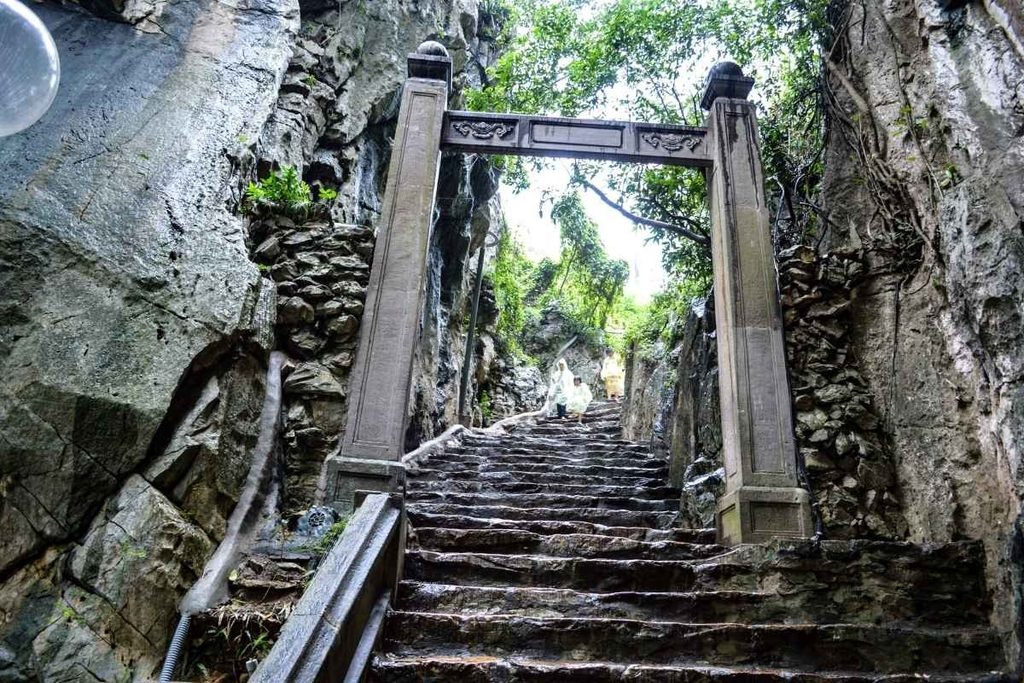
Just south of the city centre, the Marble Mountains are a cluster of five limestone and marble hills named after the five elements: metal, wood, water, fire and earth.
Thuy Son is the main mountain open to visitors. A network of stone steps leads past Buddhist pagodas, shrines and caves, some of which open into impressive chambers filled with natural light. Huyen Khong Cave is particularly worth visiting, with sunlight filtering through openings in the rock above.
Allow around two hours to explore the main attractions. Wear comfortable shoes, as some sections are steep and slippery. The nearby stone-carving village of Non Nuoc is also worth a look if you are interested in traditional craftsmanship.
Take in the Views from Son Tra Peninsula
Son Tra Peninsula is one of the most beautiful natural areas around Da Nang. Covered in forest and surrounded by the sea, it offers a welcome change from the urban coastline.
The main attraction is Linh Ung Pagoda, home to a 67-metre-tall Lady Buddha statue overlooking the ocean. The setting is impressive, particularly on clear days when you can see the coastline stretching towards the city.
If you have time, continue exploring the peninsula by road. There are scenic viewpoints, forested hillsides and quiet stretches of coastline along the way. Son Tra is also home to the endangered red-shanked douc langur, a striking primate found in the forests of central Vietnam. If you spot one, observe it from a distance and avoid feeding or disturbing the wildlife.
Walk Across the Golden Bridge at Ba Na Hills
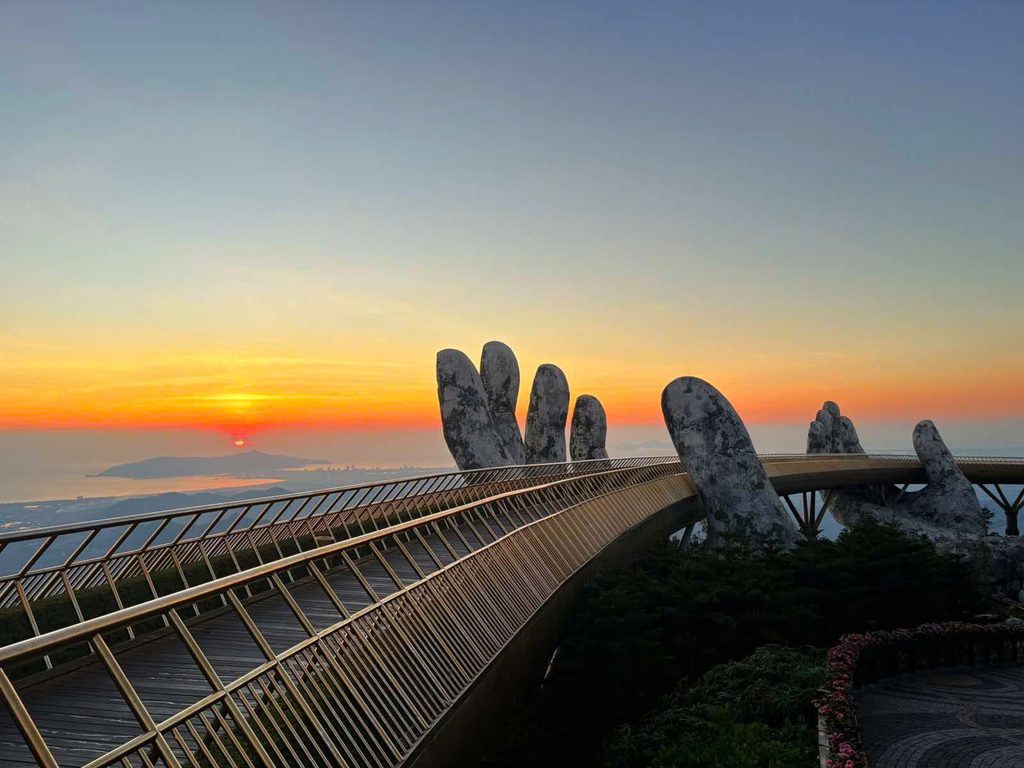
Located in the mountains west of Da Nang, Ba Na Hills is a large hilltop resort complex best known for the Golden Bridge, held aloft by two enormous stone hands.
The bridge has become one of Vietnam’s most photographed attractions, and for good reason. On a clear day, the views across the surrounding mountains are impressive. The cable car journey is another highlight, carrying visitors above forested slopes and valleys.
Beyond the bridge, the complex includes gardens, French-style architecture, restaurants and an indoor amusement park. It is a full-day excursion rather than a quick sightseeing stop. Visit early if you want to avoid some of the crowds, and check the weather forecast before going, as mountain conditions can change quickly.
Experience Local Life at Han Market
For a glimpse of everyday life in Da Nang, spend some time at Han Market. Located near the Han River, this busy market sells fresh produce, dried seafood, spices, local snacks, clothing and souvenirs.
It is a good place to browse for regional specialities, including dried squid, fish sauce and sesame rice crackers. The food stalls also offer an opportunity to try simple Vietnamese dishes at local prices.
If you prefer a quieter shopping experience, Con Market is another option, particularly for its wide selection of inexpensive local food.
What to Eat in Da Nang
Food is one of the best reasons to spend time in Da Nang. The city’s cuisine reflects the flavours of central Vietnam, with plenty of fresh herbs, seafood, rice noodles and distinctive dipping sauces.
Start with mi Quang, a regional noodle dish served with a small amount of rich broth, pork or shrimp, fresh herbs, peanuts and crispy rice crackers. It is one of the dishes most closely associated with central Vietnam.
Another local favourite is bun cha ca, a fish cake noodle soup with a light, slightly sweet broth. You will find it at small eateries around the city, often served as a breakfast dish.
For something more substantial, try banh xeo, a crispy rice-flour pancake filled with shrimp, pork and bean sprouts. It is usually wrapped in rice paper with fresh herbs and dipped in a savoury sauce.
Da Nang’s seafood is also worth exploring. Restaurants along the coastal road offer everything from grilled prawns and squid to steamed clams and fish hotpots. Prices vary considerably, so check the menu before ordering, particularly if seafood is sold by weight.
Best Time to Visit Da Nang
Da Nang has a tropical monsoon climate, with a relatively dry season and a wetter period towards the end of the year.
The best time to visit is generally from February to August. March to May is particularly pleasant, with warm temperatures, plenty of sunshine and less intense heat than the peak summer months.
June to August is hotter, but these months are popular for beach holidays. The sea is generally suitable for swimming, although afternoon temperatures can be high.
September to January brings more rain, with October and November typically among the wettest months. Heavy rainfall and occasional storms can affect beach activities and excursions, so allow some flexibility if travelling during this period.
How Many Days Do You Need in Da Nang?
Two to three days is a reasonable amount of time to explore Da Nang itself.
With two days, you can visit the Marble Mountains, spend time at My Khe Beach, explore Son Tra Peninsula and enjoy the local food scene. A third day gives you more time to visit Ba Na Hills or explore the city’s markets and riverside neighbourhoods without rushing.
Da Nang also makes an excellent base for exploring central Vietnam. Hoi An is around 30 kilometres away and takes roughly 45 minutes to reach by car, depending on traffic. The ancient imperial city of Hue is about two to three hours north, while the Hai Van Pass offers one of the region’s most scenic coastal drives.
Getting Around Da Nang
Getting around Da Nang is relatively straightforward. Taxis and ride-hailing services such as Grab are convenient for travelling between the city centre, beaches and major attractions.
For independent travellers, renting a motorbike offers more flexibility, particularly when exploring Son Tra Peninsula or travelling along the coast. However, traffic conditions can be unfamiliar, and you should only ride if you have the appropriate licence and experience.
For day trips to Hoi An, Ba Na Hills or Hue, a private car with a driver is often the most comfortable option, especially if travelling with family or in a small group.
Da Nang is a destination that combines several sides of Vietnam without requiring much travel between them. You have beaches for slow mornings, mountains and caves for outdoor exploration, local markets for everyday experiences and excellent food at almost every turn.
Its location also makes it easy to include in a wider central Vietnam itinerary. Rather than treating Da Nang simply as a stop between Hue and Hoi An, consider giving the city a few days of its own. There is enough here to make the stay worthwhile, whether you are interested in nature, culture, food or simply enjoying a few days by the sea.
One thought on “Da Nang Travel Guide: the Best of Central Vietnam”