
Off Vietnam’s central coast, Ly Son Island is where rugged volcanic landscapes meet quiet fishing villages, terraced garlic fields, and a coastline sculpted by centuries of wind and waves. It feels worlds apart from the country’s more commercialized beach hubs. Here, you won’t find sprawling mega resorts or neon lit nightlife strips. Instead, you’ll discover dramatic sea cliffs, unhurried coastal roads.
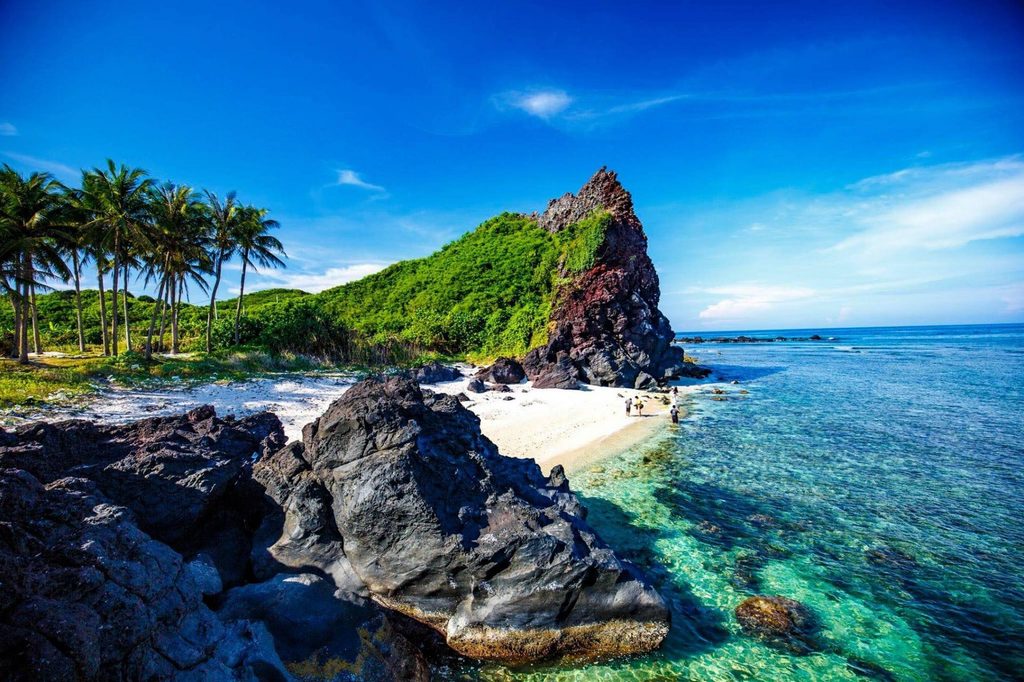
While Ly Son is famous for its volcanic terrain and prized garlic crops, its true magic lies in its pace. It’s the kind of place where you can spend the morning wandering ancient clifftop pagodas, the afternoon swimming in crystal clear coves, and the evening watching wooden fishing boats drift back into the harbor at dusk.
If you are planning a trip through central Vietnam and want to veer off the well trodden path, here is everything you need to know before visiting Ly Son Island.
1. Where is Ly Son Island?
Ly Son is located roughly 30 kilometers off the coast of Quang Ngai Province in central Vietnam. It is an island district made up of several volcanic islets. Most visitors base themselves on Lon Island (Dao Lon), the largest and main island.
The geography here is striking. The island features ancient volcanic craters, jagged basalt cliffs, lush green farmland, and deep blue water. The island is also synonymous with its famous single clove garlic, grown in nutrient rich, sandy volcanic soil, a crop so integral to the culture that Ly Son is often called the “Kingdom of Garlic.”
Ly Son isn’t for travelers seeking a polished, all inclusive resort getaway. Its appeal lies in raw natural beauty, genuine local hospitality, and a refreshingly slow pace of life.
2. Best Places to Visit on Ly Son Island
Thoi Loi Mountain
Thoi Loi is Ly Son’s most iconic landmark. This dormant volcano rises sharply above the island. Those climb could enjoy sweeping panoramic views of the coastline, patchwork garlic fields, and surrounding ocean. At the summit, you’ll find a tranquil freshwater crater lake and a towering national flagpole overlooking the sea. On a clear day, the contrast between the dark volcanic rock, vibrant green farms, and turquoise water is unforgettable. Aim to visit early in the morning or late in the afternoon to avoid the midday heat.
Hang Cau (Cau Cave)
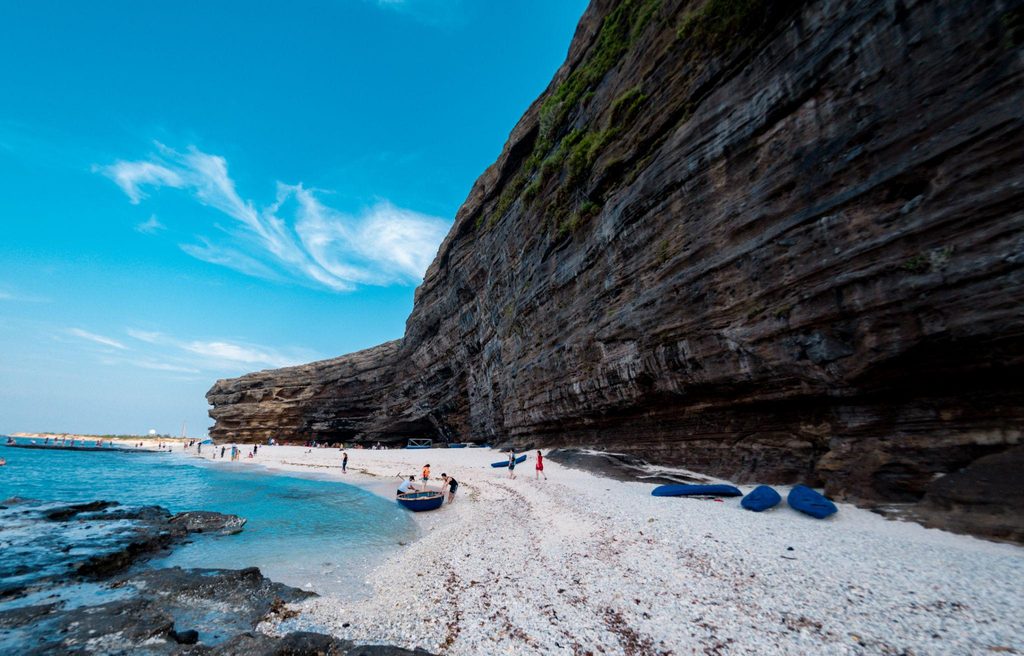
Despite its name, Hang Cau is less of a traditional cave and more of a breathtaking stretch of coastline framed by towering, wind carved cliffs. Centuries of erosion have sculpted the volcanic rock into dramatic striations that drop straight into the sea. Under the right sunlight, the water below turns a brilliant shade of turquoise, making it a favorite spot for photography. The landscape here feels noticeably wilder and more untouched than the rest of the island.
To Vo Gate
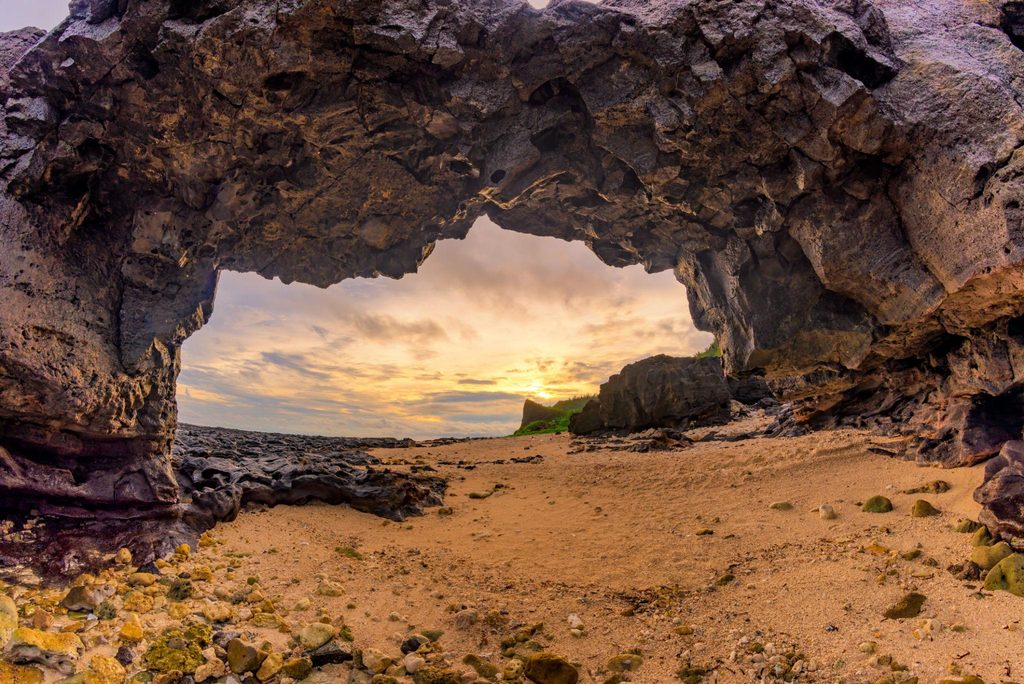
Formed from ancient volcanic lava, To Vo Gate is a natural stone arch. It frames the open ocean and has become one of Ly Son’s most photographed spots. While the arch itself is relatively compact, its dramatic coastal setting makes it memorable. Waves crash against the dark volcanic rocks beneath it while the horizon stretches endlessly behind. Sunset is by far the best time to visit. The sky lights up in warm hues and silhouettes the stone arch. You should expect to share the view with other travelers, especially on weekends and holidays.
Duc Pagoda and the Quan Am Statue
Tucked into the slopes of Gieng Tien Mountain, Duc Pagoda offers a peaceful, spiritual retreat. The temple complex is anchored by a towering white statue of Quan Am (the Goddess of Mercy) gazing out over the island and sea. Blending quiet religious architecture with sweeping coastal and volcanic views. It offers a deeper look into the spiritual traditions that remain central to the local fishing community.
Garlic Fields and Local Villages
On Ly Son, garlic isn’t just an agricultural staple, it’s a way of life and the backbone of the local economy. As you ride around the island, you’ll pass neat plots of garlic planted in white coastal sand and bordered by low volcanic stone walls. Depending on the season, the fields might be freshly tilled, vibrant green, or bustling with locals harvesting the crop. Take time to stray from the main sights and wander the quieter backroads, where you’ll stumble upon bustling morning fish markets, family run corner shops, and everyday island life.
3. Take a Boat Trip to Be Island
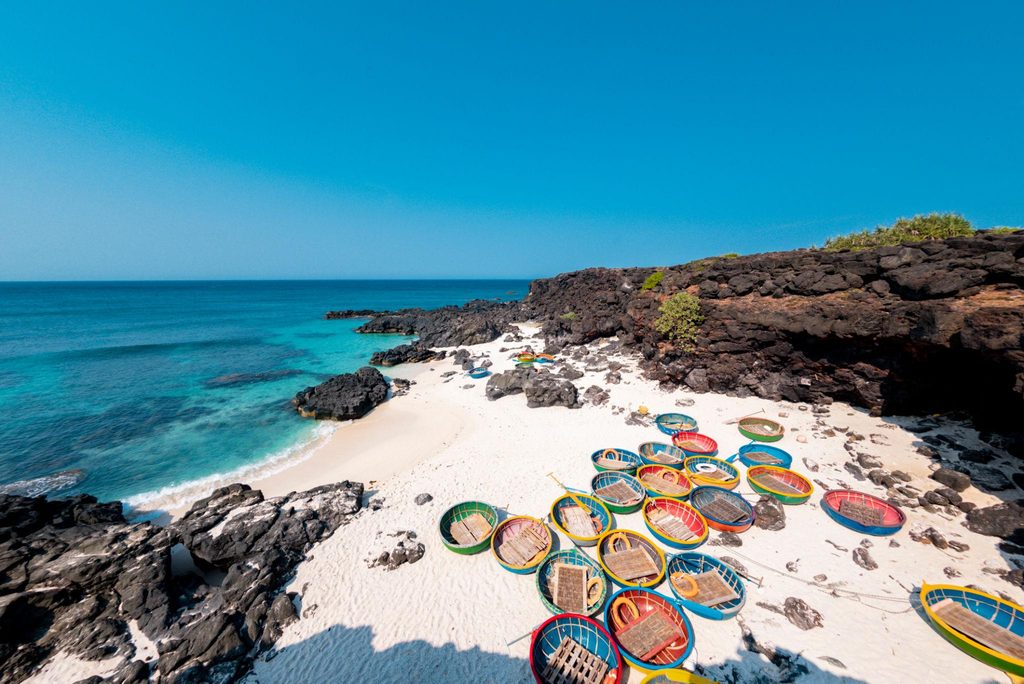
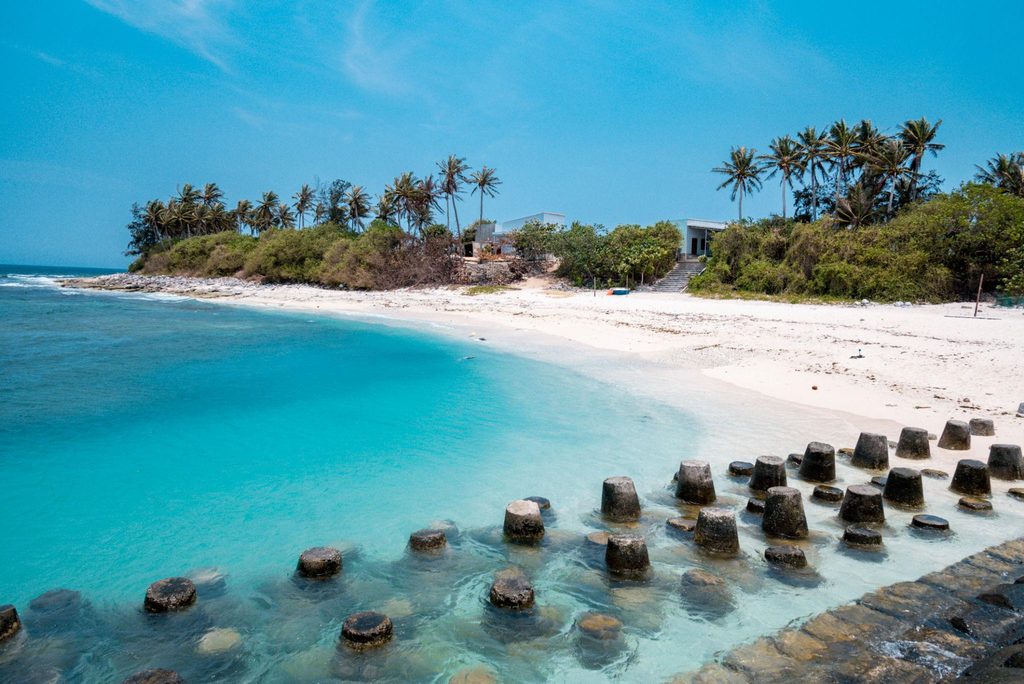
If your schedule allows, hop on a short boat ride to Be Island (also known as An Binh Island). Smaller and even more laid back than the main island, Be Island offers powdery white sand, clear shallow waters, and dramatic black rock formations.
The 15 minute ride across the water is part of the charm. Once ashore, you can rent a scooter or electric cart, snorkel near the coral reefs, swim in calm coves, and soak up the quiet atmosphere away from the main island’s bustle. For many travelers, Be Island is the highlight of their trip. Just keep in mind that boat departures depend heavily on sea conditions, so check with your accommodation the day before you plan to go.
4. What to Eat on Ly Son Island
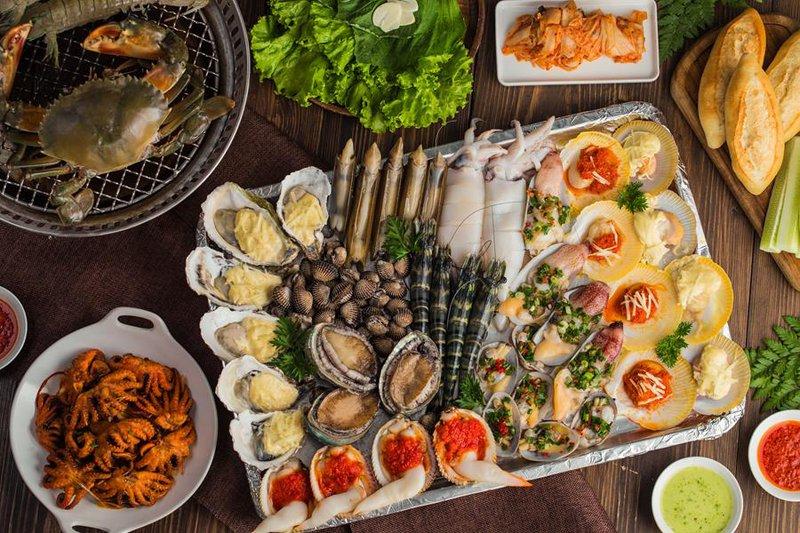
Unsurprisingly, seafood takes center stage on Ly Son. Daily catches are brought straight from the boats to local kitchens, where they’re prepared simply to let the freshness shine.
Must try local specialties include:
- Seaweed Salad (Goi Rong Bien): A crisp, refreshing local favorite tossed with fresh herbs, roasted peanuts, and a tangy lime dressing.
- Ly Son Garlic Dishes: From stir fried garlic stems to steamed seafood loaded with aromatic local garlic, you’ll taste the island’s signature crop everywhere.
- Chargrilled Seafood: Freshly caught squid, reef fish, scallops, and sea snails grilled over hot coals.
- King Crab (Cua Huynh De) & Lobster: Depending on the season and your budget, local restaurants serve some of Vietnam’s best prized crustaceans straight from live tanks.
- Sea Urchin (Nhum Bien): Typically split open and grilled over charcoal with scallion oil, peanuts, and a quail egg.
For the most authentic meal, skip formal dining rooms and pull up a plastic chair at a casual harbor side seafood eatery. Because prices fluctuate based on the day’s catch, it’s always smart to ask for the price per kilogram before ordering.
5. How to Get to Ly Son Island
Reaching Ly Son requires traveling to Sa Ky Port in Quang Ngai Province and catching a high speed ferry across to the island.
- From Da Nang: Take a train, bus, or private car south to Quang Ngai (about 2.5 to 3 hours), then transfer by taxi to Sa Ky Port. Da Nang makes a great jumping off point, though the full journey will take up a good chunk of your day.
- From Quang Ngai City: Sa Ky Port is roughly 20 kilometers away and easily reached by taxi, Grab, or local bus. From the port, high speed ferries make the crossing to Ly Son in about 35 to 45 minutes.
Ferry schedules are strictly dictated by the weather; rough seas can lead to delays or last minute cancellations. If you’re visiting over a Vietnamese public holiday or summer weekend, book your ferry tickets well in advance and avoid booking tight onward flights or trains for the same day you return.
Once on the island, renting a motorbike is the easiest and most flexible way to get around. If you don’t ride, your guesthouse can easily arrange a private car or local taxi.
6. When is the Best Time to Visit Ly Son Vietnam?
The ideal window to visit Ly Son is during the dry season, from April to August, when skies are clear, temperatures are warm, and the sea is at its calmest.
May through July brings peak beach weather and the best conditions for boat trips to Be Island, though you’ll encounter larger domestic crowds during school holidays and weekends. From September to December, central Vietnam enters its rainy and typhoon season. Rough seas frequently disrupt ferry schedules during these months, making travel unpredictable. If swimming and island hopping are high on your list, stick to the summer months and keep an eye on the marine forecast before you set off.
7. How Many Days Do You Need?
Aim for at least 2 days and 1 night, though 3 days and 2 nights gives you a much more relaxed experience.
Two days is enough time to hit the main volcanic landmarks, indulge in a few seafood feasts, and squeeze in a half day trip to Be Island if the weather cooperates. With three days, you can slow down, linger at quiet beaches, explore hidden village lanes, and enjoy the island without watching the clock.
Suggested 2 Day Itinerary
| Day | Itinerary |
| Day 1 | Arrive by ferry → Check in → Climb Thoi Loi Mountain → Drive through the garlic fields → Explore Hang Cau → Catch sunset at To Vo Gate → Harbor side seafood dinner |
| Day 2 | Morning visit to Duc Pagoda → Wander local villages & markets → Boat trip to Be Island (weather permitting) → Afternoon ferry back to the mainland |
Tip: If you’re traveling during shoulder months when weather can shift quickly, consider building a buffer day into your central Vietnam itinerary in case your return ferry is delayed.
8. Where to Stay on Ly Son Island
Most accommodations are clustered on Lon Island near the main ferry harbor and town center. Options range from simple family run homestays and budget guesthouses to a handful of modern mid range hotels.
For a quick trip, staying near the harbor puts you within walking distance of seafood restaurants, scooter rentals, and boats to Be Island. If you’re craving peace and quiet, look for a homestay tucked away along the coast or near the garlic fields. Just keep expectations realistic: you won’t find the luxury beachfront resorts of Phu Quoc or Da Nang here. Ly Son is best suited to travelers who appreciate clean, simple comforts and warm local hospitality.
Is Ly Son Island Worth Visiting?
If you’re looking to experience a raw, unpolished side of Vietnam’s coastline, Ly Son is well worth the journey. Its dramatic volcanic cliffs, patchwork garlic fields, and crystal clear coves offer a stark, refreshing contrast to the country’s more well known beach destinations.
It isn’t the right fit for everyone, travelers seeking high end resorts, bustling nightlife, or guaranteed, clockwork transit schedules may find it challenging. But if you love discovering places where daily life still revolves around the tides and the harvest, Ly Son will easily become one of the most memorable stops on your trip. Sometimes, the greatest luxury of island travel is simply having nowhere urgent to be.