
Rising nearly 200 metres above the tropical plains of central Sri Lanka, Sigiriya is one of the country’s most remarkable historical landmarks. Known as Lion Rock, this ancient rock fortress combines extraordinary architecture, fascinating history and spectacular natural scenery. For anyone planning a trip to Sri Lanka, visiting Sigiriya is an experience that offers much more than simply climbing to the top of a famous rock.
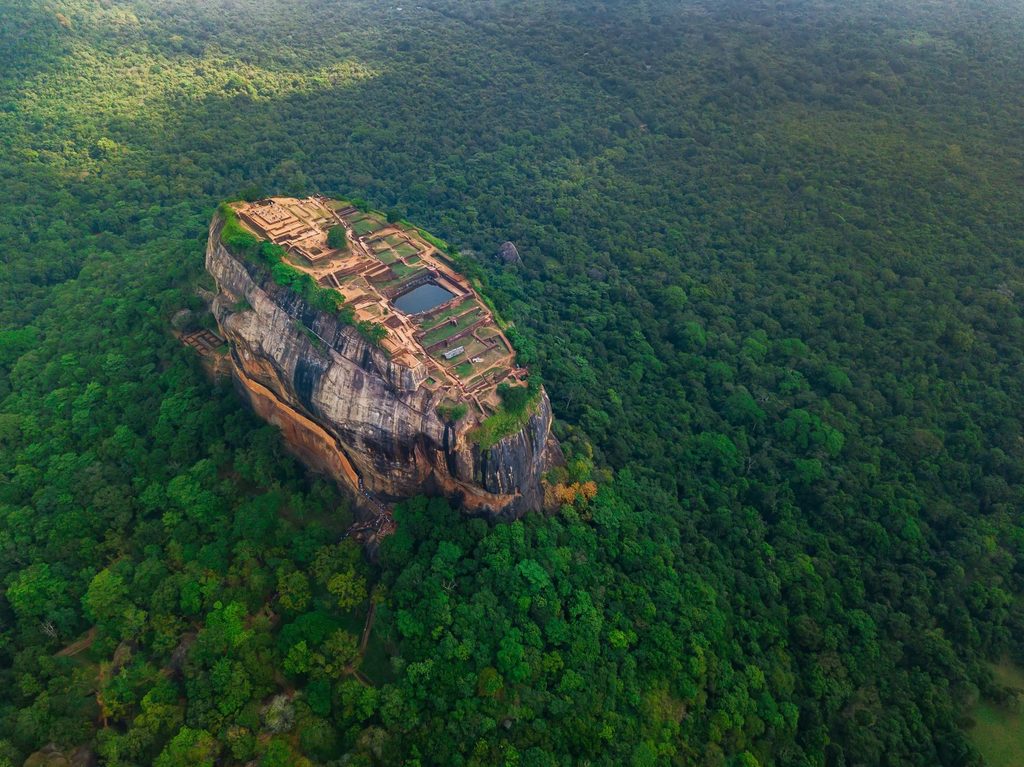
Surrounded by forests, lakes and small traditional villages, Sigiriya creates an impressive first impression. From a distance, the enormous granite formation appears almost out of place against the otherwise flat landscape. Yet, as you get closer, the remains of an ancient royal complex begin to reveal why this extraordinary location has fascinated travellers, historians and archaeologists for generations.
The Fascinating History Behind Sigiriya
Sigiriya’s story dates back to the 5th century, during the reign of King Kashyapa (477–495 AD). After taking the throne, Kashyapa chose this dramatic rock formation as the location for his royal residence and constructed an elaborate fortified palace complex on its summit.
The site was carefully designed with defensive structures, sophisticated water systems, landscaped gardens and royal buildings. Its location provided both strategic advantages and an extraordinary setting for a royal capital.
One of Sigiriya’s most recognisable features is the Lion’s Paw entrance, where two enormous lion paws carved into the rock flank the final staircase leading towards the summit. Although the original lion structure no longer survives, these impressive remains explain how the fortress earned its popular name, Lion Rock.
After King Kashyapa’s death, the palace was abandoned as a royal residence and eventually became a Buddhist monastery. Today, Sigiriya is recognised as a UNESCO World Heritage Site and remains one of the most important archaeological treasures in Sri Lanka.
What to See and Experience at Sigiriya
The journey through Sigiriya is just as interesting as reaching the summit. The archaeological complex contains several remarkable features that reveal the ingenuity of its ancient builders.
The Water Gardens
At the base of the rock, visitors encounter beautifully designed water gardens featuring pools, fountains, waterways and symmetrical landscaping. These gardens demonstrate an impressive understanding of ancient hydraulic engineering. Some of the fountains still function during the rainy season, making them particularly interesting to explore.
The Sigiriya Frescoes
Halfway up the rock, a sheltered gallery contains famous frescoes depicting female figures traditionally associated with celestial maidens. Their vibrant colours and delicate artistic details have survived for centuries, offering a rare glimpse into the artistic traditions of ancient Sri Lanka.
The Mirror Wall
Another fascinating feature is the Mirror Wall, originally polished so smoothly that the king could supposedly see his reflection in it. Over the centuries, visitors left inscriptions and poems on its surface. These ancient writings provide valuable insights into how people experienced and described Sigiriya many centuries ago.
The Lion’s Paw Entrance
Before the final ascent, you’ll reach the famous Lion’s Paw Terrace. The enormous stone paws on either side of the staircase are among the most photographed features of the entire complex. From here, the remaining climb becomes steeper, but the views become increasingly impressive.
The Summit of Lion Rock
Reaching the summit rewards visitors with panoramic views across the surrounding forests, countryside and distant hills. The remains of the ancient palace foundations, water reservoirs and other structures can still be explored. It is difficult not to imagine what this royal complex must have looked like when it was fully occupied more than 1,500 years ago.
The Best Time to Visit Sigiriya
The dry season, generally from December to April, is one of the most comfortable periods to explore Sigiriya. During these months, rainfall is usually lower, making the climb and outdoor sightseeing more manageable.
May to September can also be a good time to visit, although weather conditions vary and occasional rainfall is possible. Temperatures can be high throughout the year, so starting your climb early in the morning is advisable.
If you want to avoid large crowds and the midday heat, aim to arrive around opening time. Early morning also provides softer natural light for photography.
How Long Should You Spend in Sigiriya?
Most visitors need approximately 2–3 hours to climb Lion Rock, explore the archaeological remains and enjoy the views from the summit.
However, spending one or two nights in the surrounding area allows you to discover more of Sri Lanka’s cultural and natural attractions. Sigiriya is conveniently located near several important destinations, making it an excellent base for exploring the country’s Cultural Triangle.
Places to Visit Near Sigiriya
Pidurangala Rock
Located opposite Sigiriya, Pidurangala Rock offers one of the most spectacular views of Lion Rock itself. The climb is shorter but involves some scrambling over rocks near the summit. Sunrise is particularly popular, when the first light illuminates Sigiriya and the surrounding forest.
Dambulla Cave Temple
A short drive from Sigiriya, Dambulla Cave Temple is another UNESCO World Heritage Site. Its impressive collection of Buddhist statues, religious paintings and decorated cave interiors makes it an essential stop for anyone interested in Sri Lanka’s cultural heritage.
Minneriya National Park
For a different experience, consider visiting Minneriya National Park, famous for its seasonal gatherings of wild Asian elephants around the reservoir. Depending on the time of year, visitors may have opportunities to observe elephants, birds and other wildlife in their natural habitat.
Polonnaruwa Ancient City
History enthusiasts should also consider a day trip to Polonnaruwa, one of Sri Lanka’s former royal capitals. The archaeological site features ancient palaces, temples, stupas and impressive stone sculptures, offering another fascinating perspective on the island’s history.
Practical Travel Tips for Visiting Sigiriya
A little preparation can make your visit considerably more comfortable.
- Wear comfortable footwear: The climb involves numerous stone steps, uneven surfaces and exposed stairways.
- Bring drinking water: The weather can be hot and humid, particularly during the middle of the day.
- Dress appropriately: Although Sigiriya is an archaeological attraction, nearby religious sites such as Dambulla require modest clothing.
- Protect yourself from the sun: Sunscreen, sunglasses and a hat are useful, especially during the ascent.
- Check the weather: Rain can make certain sections of the climb slippery.
- Allow enough time: Avoid rushing through the gardens and archaeological features at the base of the rock.
Is Sigiriya Worth Visiting?
Absolutely. Sigiriya is not simply another historical attraction to tick off a travel checklist. It is a place where ancient engineering, royal history, art and natural landscapes come together in an extraordinary setting.
From wandering through the ancient water gardens to climbing the Lion’s Paw staircase and looking across the endless green landscape from the summit, every part of the experience offers something different.
If you’re planning a journey through Sri Lanka, make room for Sigiriya. Whether you spend a few hours exploring the fortress or several days discovering the surrounding Cultural Triangle, this remarkable destination offers a deeper appreciation of the island’s history and heritage.
Some places tell you about the past. Sigiriya allows you to walk through it.