
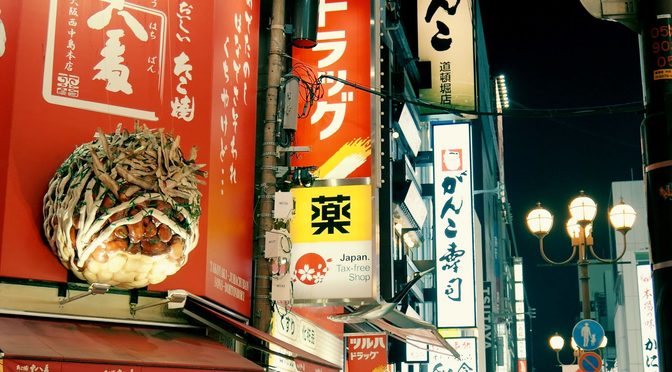
Osaka is often introduced through its most recognizable sights: the bright neon lights of Dotonbori, the impressive walls of Osaka Castle, and the endless rows of restaurants serving some of Japan’s most famous street food. These places deserve a visit, but they only reveal part of what makes Osaka such an interesting city to explore.
Beyond the familiar landmarks, Osaka has a different rhythm. Old shopping streets run through residential neighborhoods, small restaurants serve local specialties without much attention to tourists, and riverside districts offer a quieter perspective on a city known for its lively atmosphere.
If you are planning a trip to Osaka, spending time beyond its famous attractions can make the experience more rewarding. Here are some places to visit and experiences to enjoy while discovering another side of Japan’s vibrant food capital.
1. Explore Dotonbori After Dark
Dotonbori is one of those places that feels completely different depending on when you visit.
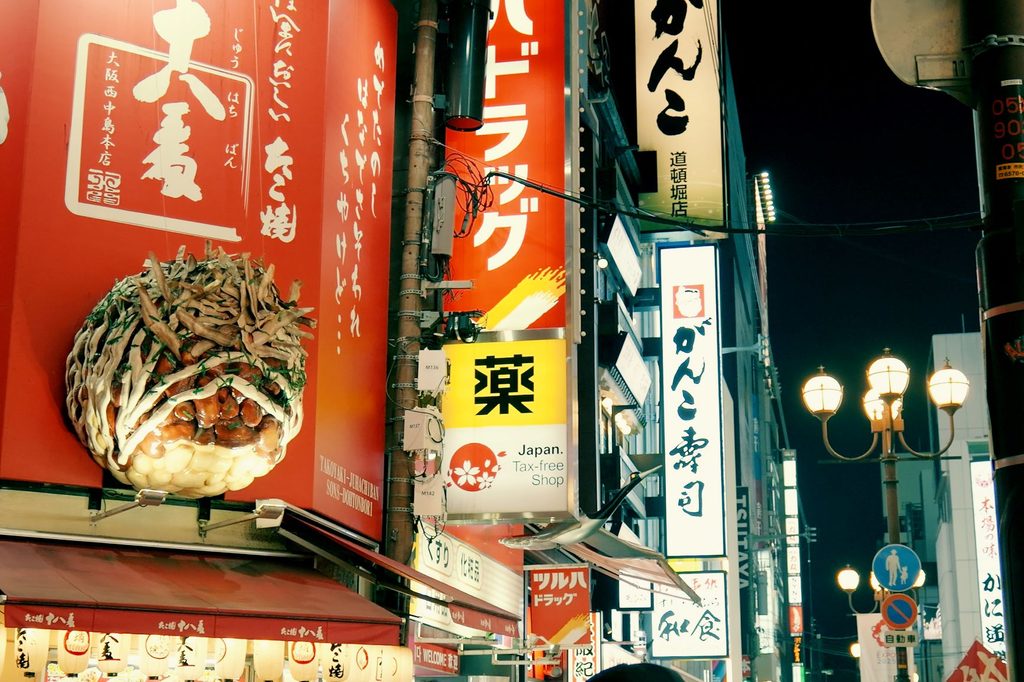
During the day, the streets are busy with shoppers, restaurant visitors, and travelers photographing the famous Glico Running Man sign. As evening approaches, the neon lights illuminate the canal, reflecting across the water and creating one of Osaka’s most recognizable city scenes.
The best way to experience Dotonbori is simply to walk without rushing. Follow the canal, explore the smaller streets, and stop whenever something catches your attention.
Food is an essential part of the experience. Osaka is particularly famous for takoyaki, the hot octopus-filled balls cooked in special molds, and okonomiyaki, a savory pancake made with cabbage and various toppings.
You will find plenty of opportunities to try both throughout the district.
However, Dotonbori is not necessarily where you need to spend an entire day. It is a place to experience Osaka’s energy, enjoy its food culture, and appreciate the atmosphere after sunset.
2. Discover Osaka Castle and Its Surrounding Park
Osaka Castle is one of Japan’s most recognizable historical landmarks.
Surrounded by impressive stone walls, wide moats, and extensive parkland, the castle stands as a reminder of Osaka’s important role in Japanese history.
The present castle tower is a reconstruction, but the surrounding grounds retain a remarkable sense of scale. Walking through the park gives you an opportunity to appreciate the defensive architecture and the enormous stones used in the castle’s foundations.
Rather than visiting only the castle tower, allow some time to explore the surrounding grounds.
The park is particularly enjoyable during spring, when cherry blossoms transform the landscape, and during autumn, when the changing leaves bring warmer colors to the historic surroundings.
It is also a pleasant place to take a break from Osaka’s busy shopping streets.
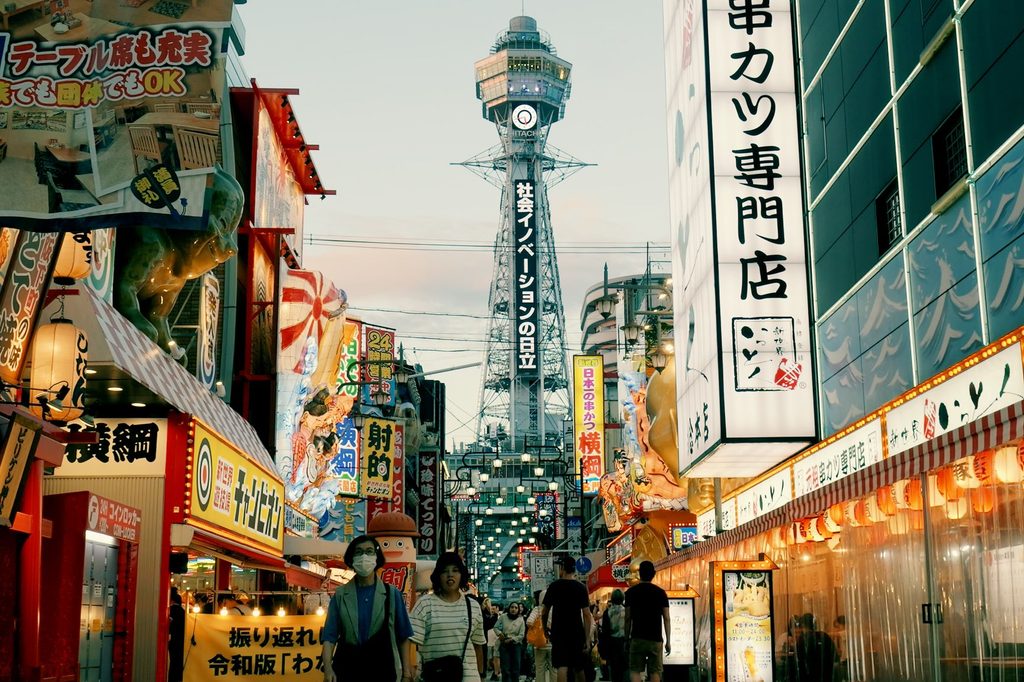
3. Walk Through Shinsekai and Discover Old Osaka
If Dotonbori represents modern Osaka’s lively entertainment culture, Shinsekai offers a different atmosphere.
This neighborhood has a nostalgic character, with colorful signs, traditional eateries, small shops, and streets that feel closely connected to Osaka’s older urban identity.
The Tsutenkaku Tower rises above the district, becoming a familiar landmark as you walk through the surrounding streets.
Shinsekai is particularly famous for kushikatsu, a local specialty consisting of meat, seafood, and vegetables coated in breadcrumbs and deep-fried on skewers.
You can find restaurants serving different varieties, from simple neighborhood establishments to more established dining spots.
Walking around Shinsekai is less about following a strict sightseeing route and more about enjoying the atmosphere. Look at the storefronts, explore the smaller streets, and take time to notice the details that make the neighborhood distinctive.
It is an interesting contrast to Osaka’s more polished shopping districts.
4. Experience Osaka’s Local Food Culture
Osaka has a reputation as one of Japan’s great food cities, and eating is one of the most enjoyable ways to understand its character.
The expression kuidaore, often associated with Osaka, describes the idea of eating until you spend yourself into financial ruin. While it is not something to take literally, it captures the city’s enthusiasm for good food.
Beyond takoyaki and okonomiyaki, there are several other specialties worth trying.
Kitsune udon is a comforting bowl of noodles topped with sweetened fried tofu. Kushikatsu offers a variety of fried ingredients served on skewers. Osaka-style sushi and local seafood dishes provide another perspective on the city’s culinary traditions.
For a more everyday experience, explore the shopping arcades and neighborhood streets.
These areas often contain small restaurants, bakeries, coffee shops, and food stalls that cater to local residents rather than sightseeing crowds.
You do not need to plan every meal in advance. Sometimes, the most interesting discovery is a restaurant you happen to walk past.
5. Visit Kuromon Ichiba Market
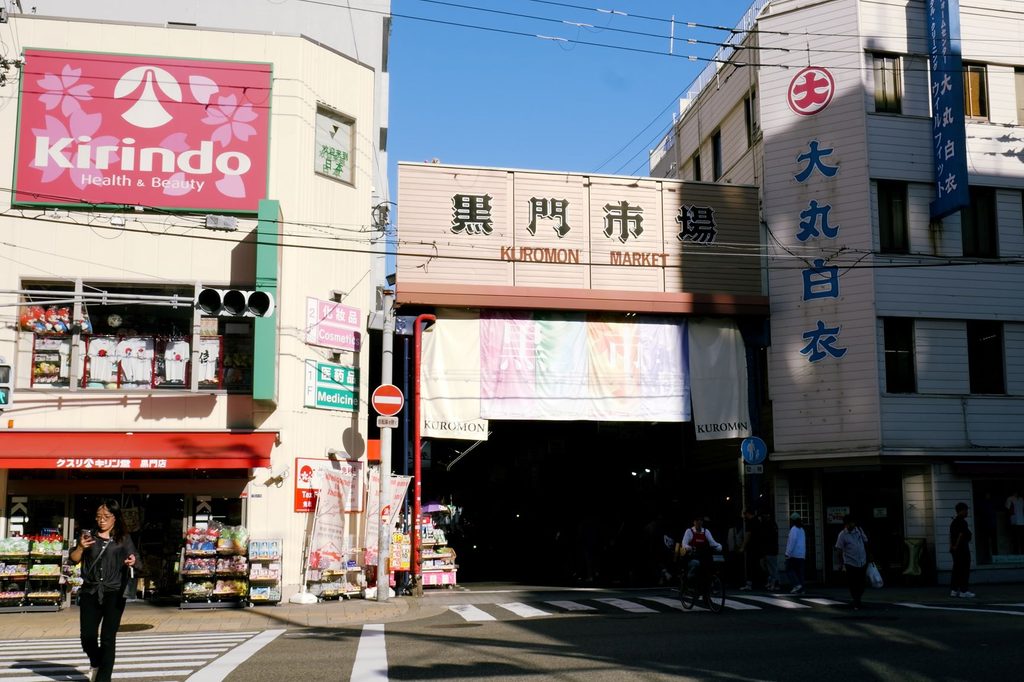
Kuromon Ichiba Market is a popular destination for travelers interested in Osaka’s food culture.
The market has a long history of supplying fresh ingredients to restaurants and local businesses. Today, it also attracts visitors looking to sample seafood, Japanese snacks, seasonal produce, and other specialties.
Walking through the market gives you a closer look at the variety of ingredients used in Japanese cooking.
Depending on the season, you may find fresh seafood, grilled items, fruit, traditional sweets, and prepared dishes.
It is worth visiting with an appetite, but keep in mind that prices and portion sizes vary between vendors.
The market can become crowded, particularly around lunchtime, so visiting earlier in the day may provide a more comfortable experience.
Rather than treating Kuromon Ichiba as a place to eat one large meal, consider sampling a few smaller dishes while exploring.
6. Explore Osaka’s Traditional Shopping Streets
One of the most interesting ways to experience Osaka is through its shotengai, traditional covered shopping streets.
These arcades are part of everyday life in many Japanese neighborhoods. They bring together supermarkets, clothing shops, restaurants, bakeries, pharmacies, and small independent businesses under one roof.
Unlike the large commercial districts, shopping streets often have a more local atmosphere.
You may see residents stopping for groceries, students meeting friends, or shopkeepers preparing their businesses for the day.
Tenjinbashisuji Shopping Street is particularly notable for its length and variety of shops.
Walking through it provides an opportunity to experience Osaka at a slower pace, away from the concentrated sightseeing areas.
These streets are also useful places to discover inexpensive meals, everyday Japanese products, and local snacks.
7. Enjoy the Views from Umeda
Osaka’s Umeda district offers a different perspective on the city.
This is one of Osaka’s major commercial centers, with large department stores, shopping complexes, restaurants, and railway stations connecting different parts of the region.
The area can feel busy and modern, particularly around Osaka Station.
For a memorable city view, visit the Umeda Sky Building.
Its Floating Garden Observatory provides panoramic views across Osaka, revealing the city’s enormous urban landscape.
From above, the contrast between the dense city center, surrounding residential neighborhoods, and distant mountains becomes much easier to appreciate.
The observation deck is particularly attractive around sunset, when the city gradually transitions from daylight into its evening lights.
If you prefer to stay at street level, Umeda is also an excellent place for shopping, dining, and exploring Osaka’s contemporary side.
8. Take a Riverside Walk Along Nakanoshima
Nakanoshima offers a quieter experience in the middle of Osaka.
Located between two rivers, this area is known for its historic buildings, cultural institutions, landscaped spaces, and riverside promenades.
It feels different from the crowded entertainment districts, with more opportunities to walk, relax, and appreciate the city’s architecture.
The district is home to the Osaka City Central Public Hall, a striking historic building with a distinctive red-brick exterior.
Nearby, you can find museums, cafés, and other cultural attractions.
The riverside paths are particularly pleasant when the weather is comfortable.
If you have already spent time exploring Osaka’s shopping streets and busy attractions, Nakanoshima provides a useful change of pace.
It is also a good area for photography, especially when the historic architecture is reflected in the surrounding water.
9. Visit Sumiyoshi Taisha Shrine
For a deeper connection with Osaka’s traditional side, consider visiting Sumiyoshi Taisha.
This important Shinto shrine has a history stretching back many centuries and is associated with the protection of travelers, sailors, and maritime activities.
Its architecture is particularly distinctive.
The shrine’s main buildings follow a traditional style known as Sumiyoshi-zukuri, characterized by their simple forms and carefully arranged structures.
One of its most recognizable features is the beautiful arched Sorihashi Bridge, which rises above a pond near the entrance.
Walking across the bridge and exploring the shrine grounds offers a peaceful experience away from the city’s busiest districts.
The surrounding neighborhood also provides a glimpse of a more residential side of Osaka.
If you are interested in Japanese history, architecture, or traditional religious practices, Sumiyoshi Taisha is worth including in your itinerary.
10. Experience Osaka’s Nightlife Beyond Dotonbori
Osaka is a city that becomes particularly lively after dark.
While Dotonbori attracts much of the attention, other neighborhoods offer different ways to spend an evening.
Around Umeda, you will find restaurants, bars, and entertainment venues catering to a wide range of visitors.
Namba has a mixture of shopping streets, casual dining, and nightlife.
For a more relaxed evening, explore smaller streets where local restaurants serve Japanese dishes in a less crowded setting.
You might find a small izakaya, a traditional Japanese pub, where people gather for drinks and shared dishes after work.
These establishments are often more about atmosphere than elaborate dining.
If you enjoy exploring cities through their food and nightlife, Osaka offers plenty of opportunities to spend an evening without following a fixed plan.
Want to see what Osaka looks like beyond its famous landmarks? Watch my Osaka travel vlog on YouTube and explore the city’s streets, attractions, and everyday atmosphere through our own travel experience.
From its lively streets to its distinctive urban scenery, the video offers another way to experience Osaka before planning your own journey.
Practical Tips for Visiting Osaka
How many days should you spend in Osaka?
Two to three days is a reasonable amount of time for exploring Osaka’s major attractions, food districts, and neighborhoods.
If you also want to visit nearby destinations such as Kyoto, Nara, or Kobe, consider staying longer or planning separate day trips.
When is the best time to visit Osaka?
Spring and autumn are generally attractive seasons for sightseeing.
March and April bring the possibility of cherry blossoms, while October and November often offer comfortable temperatures and autumn foliage.
Summer can be hot and humid, while winter is generally colder but suitable for city sightseeing.
How do you get around Osaka?
Osaka has an extensive public transportation network, including subway lines, railway services, and buses.
The subway is particularly useful for moving between major sightseeing districts.
For most visitors, walking combined with public transportation is the easiest way to explore the city.
Where should you stay?
Namba is convenient for restaurants, nightlife, and access to Dotonbori.
Umeda is a practical choice for shopping, transportation connections, and exploring northern Osaka.
Both areas provide access to many of the city’s main attractions.
Final Thoughts: Discovering a Different Side of Osaka
Osaka is more than its famous neon signs, historic castle, and popular food streets.
It is a city where traditional shopping arcades sit alongside modern commercial districts, where historic shrines provide quiet moments between busy streets, and where local restaurants remain an essential part of everyday life.
The most rewarding experiences often come from allowing yourself time to explore beyond the obvious attractions.
Walk through a neighborhood shopping street, stop for a bowl of udon, discover a riverside promenade, or visit a shrine that feels far removed from the city’s busy center.
These smaller experiences help reveal the character of Osaka.
And while Dotonbori and Osaka Castle remain essential stops for first-time visitors, the city becomes much more interesting when you look beyond them.
Osaka is not simply a destination to see. It is a city to explore, taste, and experience at your own pace.