
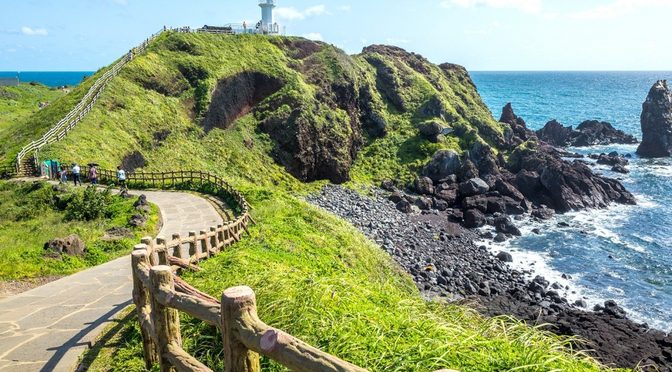
Jeju Island offers a compelling draw for travellers who appreciate nature, geology, and responsible tourism. In November 2026, the South Korean island received a UNESCO Green Card following its latest evaluation as a UNESCO Global Geopark, securing its international designation for another four years until 2030.
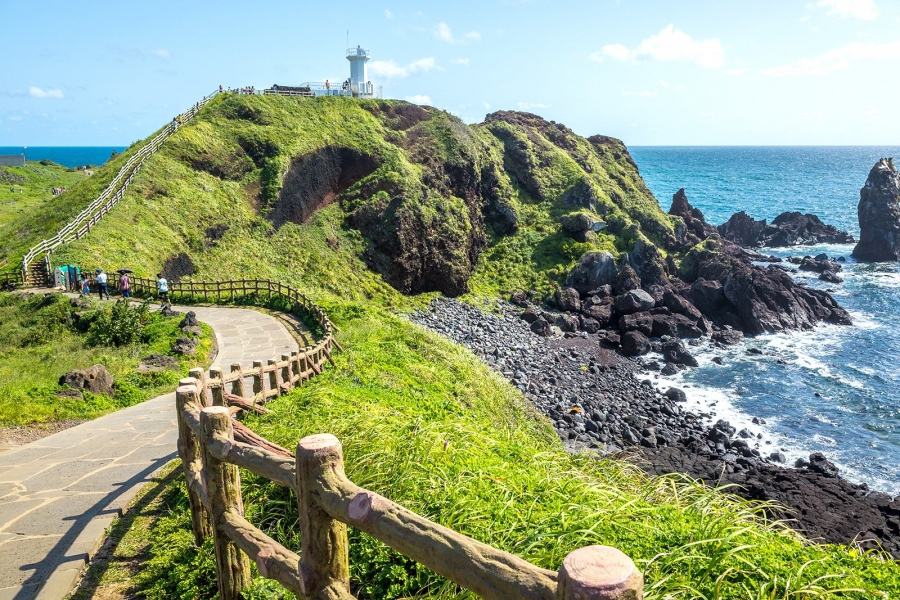
This recognition is far more than a simple tourism milestone; it reflects Jeju’s ongoing commitment to protecting its remarkable volcanic landscapes, preserving local traditions, and involving communities in sustainable tourism. For visitors, it underscores that the island offers depth well beyond conventional beaches and holiday resorts.
What Does UNESCO’s Green Card Mean for Jeju?
UNESCO Global Geoparks undergo a rigorous revalidation process every four years, assessing geological conservation, education, sustainable development, and community engagement.
- Securing a Green Card confirms that a geopark continues to meet stringent international requirements, renewing its designation for another quadrennial period.
- Jeju’s latest designation was officially announced following the 11th meeting of the UNESCO Global Geoparks Council in Paris on November 3, 2026.
- Having first achieved Global Geopark status in 2010, the island’s successful revalidation highlights years of cross-disciplinary work linking geological heritage with biodiversity, cultural preservation, and community-based tourism.
- Key initiatives driving this success include localized environmental programs, educational milestones like the “Geo School,” and “Geo Trail” experiences that invite visitors to explore geological wonders while engaging with the island’s natural history.
Discovering Jeju’s Extraordinary Volcanic Landscapes
Shaped by volcanic activity over millennia, Jeju features a striking topography of lava formations, volcanic cones, underground caves, dramatic coastlines, and fertile countryside.
- Seongsan Ilchulbong (Sunrise Peak): Rising dramatically along the eastern coastline, this volcanic tuff cone is particularly striking at dawn as early sunlight illuminates its distinct crater.
- Hallasan Mountain: Standing at the heart of the island as South Korea’s highest peak, Hallasan offers diverse hiking routes through changing environments—from lush forests to rugged volcanic terrain and alpine vegetation—providing an appealing destination across all four seasons.
- Manjanggul Cave: One of the island’s premier lava tube formations, this subterranean marvel showcases the immense forces of flowing lava that shaped the island’s foundations (visitors are advised to verify current access arrangements prior to planning a trip).
- Jungmun-Daepo Coastline: Along the southern shore, dramatic cliffs and coastal rock formations offer a window into Jeju’s ancient geological past through unusual stone structures.
Beyond Geology: The Culture and Traditions of Jeju
Jeju’s heritage extends deep into its cultural fabric, creating a rich narrative where human life and nature intertwine.
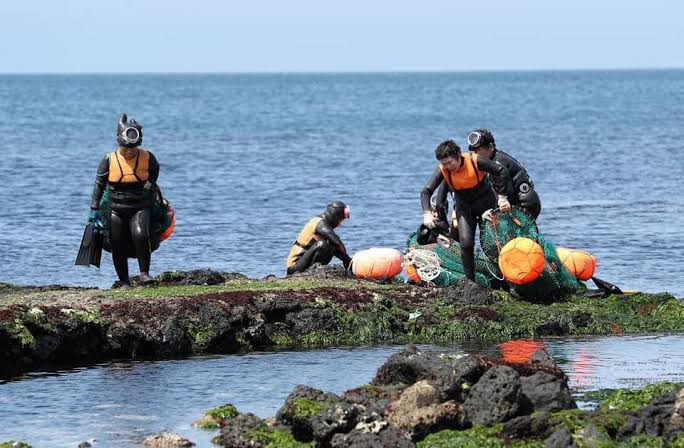
- The Haenyeo: A remarkable community of women divers who harvest seafood from surrounding waters without oxygen tanks, preserving a distinctive way of life passed down through generations. Recognized as a UNESCO Intangible Cultural Heritage, their tradition symbolizes a profound, symbiotic relationship between the local community and the marine environment.
- Batdam Stone Walls: Traditional agricultural walls built from dark volcanic rocks that divide farming plots and shield crops from the island’s strong coastal winds, reflecting generations of brilliant local adaptation.
- Dol Hareubang: The iconic, guardian-like stone statues carved from volcanic rock that stand as a cherished symbol of protection, good fortune, and local identity across the island.
A Blueprint for Sustainable Tourism
Jeju’s Green Card renewal highlights the delicate balance of modern travel: protecting fragile natural attractions while empowering local communities to thrive through tourism. Over the past four years, the island has expanded partnerships with local enterprises, trained specialized geopark guides, and introduced grassroots conservation programs.
At the same time, UNESCO’s evaluation noted areas for continued growth, including enhanced geological site protection, stronger educational outreach, improved visitor safety and accessibility, and the intentional development of sustainable geotourism. For travellers, this status calls for mindful exploration—such as sticking to designated trails, respecting protected formations, avoiding littering, and supporting locally operated ventures.
Is Jeju Island Worth Visiting?
For those looking beyond standard city breaks, Jeju delivers an exceptional blend of pristine natural scenery, outdoor adventure, coastal exploration, and living culture. Whether hiking up Hallasan, catching the sunrise at Seongsan Ilchulbong, or engaging with the haenyeo community, the island rewards curious travellers in every season.
Spring brings vibrant flora and mild weather, summer invites coastal excursions, autumn offers ideal hiking conditions amidst striking foliage, and winter cloaks Hallasan’s upper slopes in snow. Ultimately, Jeju is not merely a destination to photograph and leave behind, but a dynamic island where geological history and living traditions invite deep, meaningful discovery.